PANAMA CANAL TO FURTHER REDUCE DRAFT LIMIT FOR NEOPANAMAX VESSELS
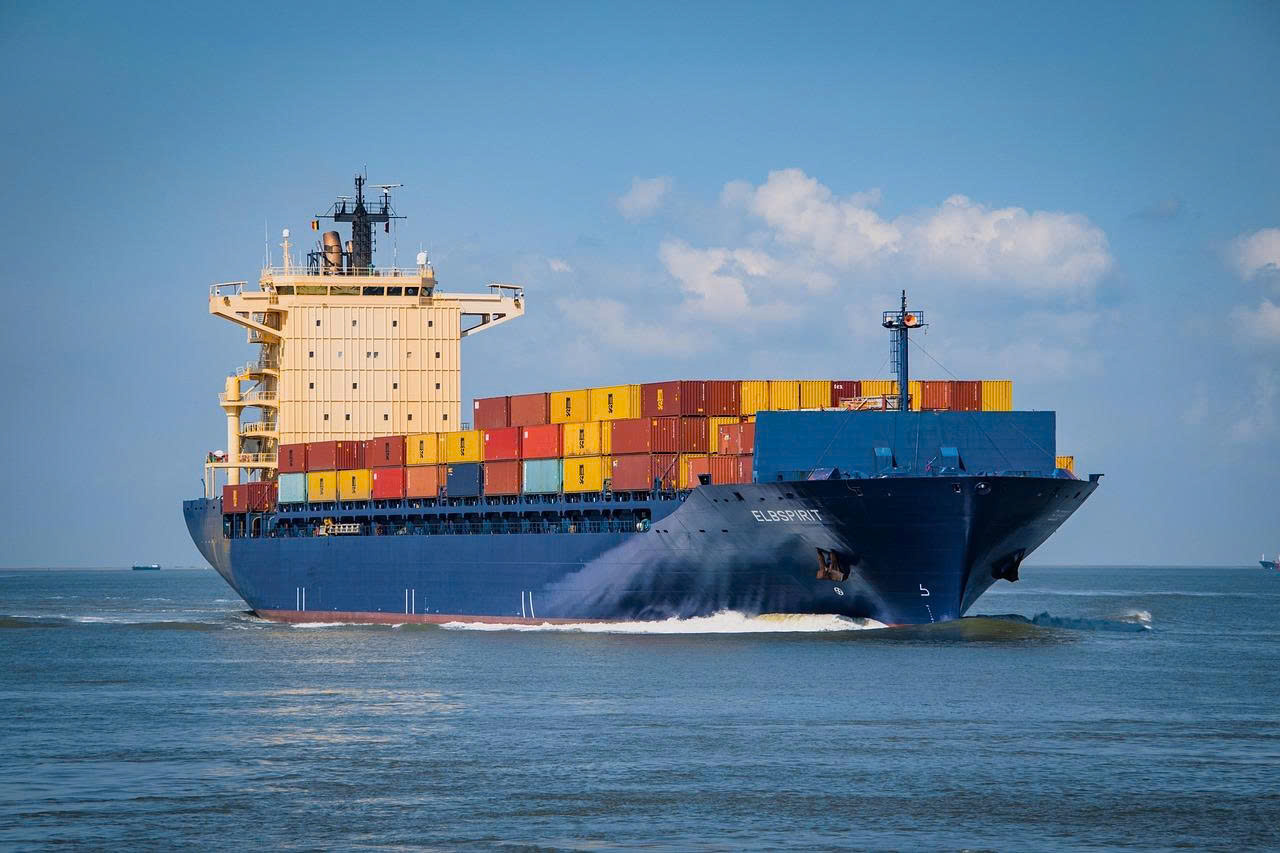
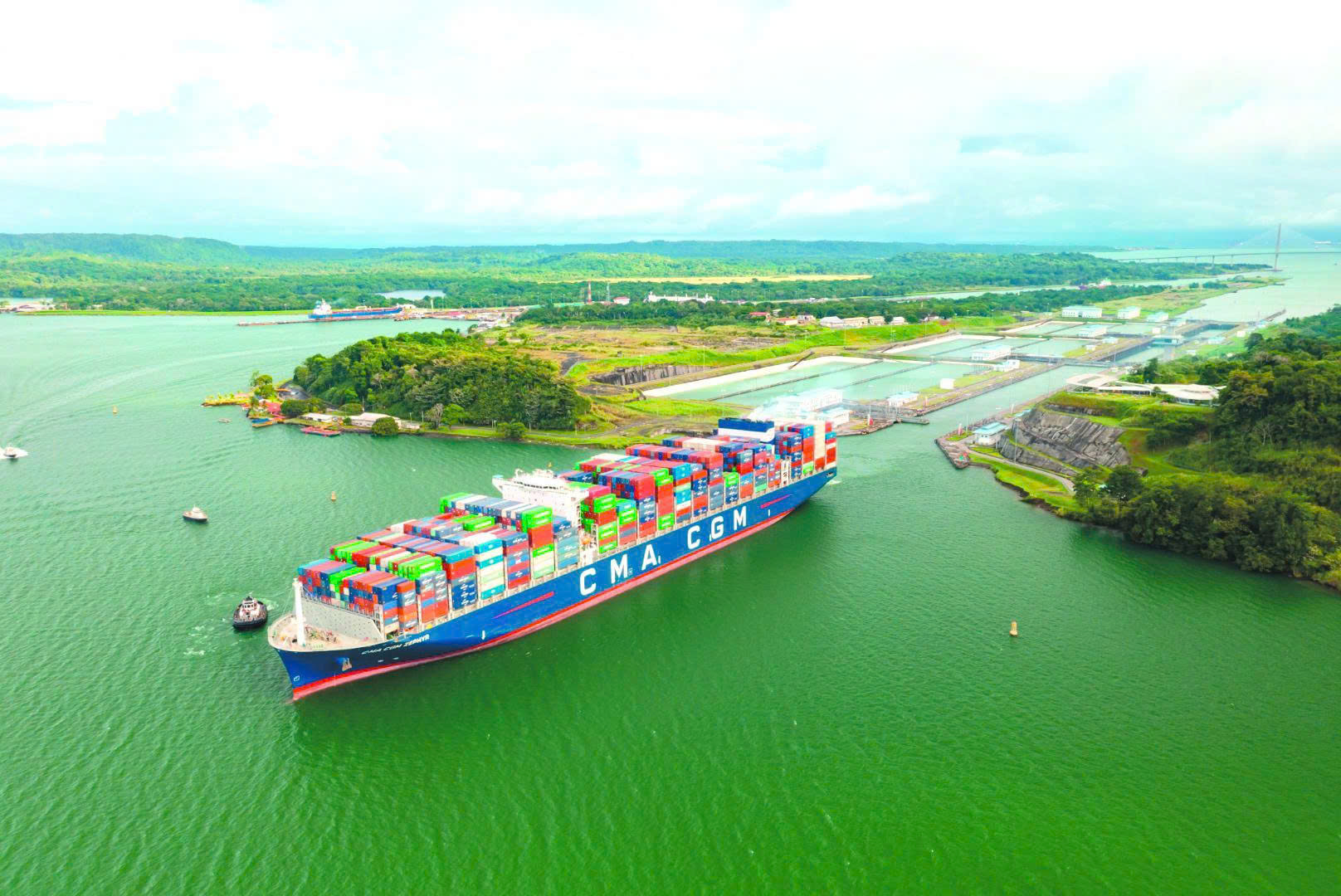
The Panama Canal will further reduce the maximum allowable draft for Neopanamax vessels from late August 2026 as water levels in Gatun Lake continue to decline.
The total length of the berth after upgrading is 480m, ensuring the simultaneous reception of two 30,000 DWT container ships.
The calculated berth structure can accommodate a 50,000 DWT vessel at full load
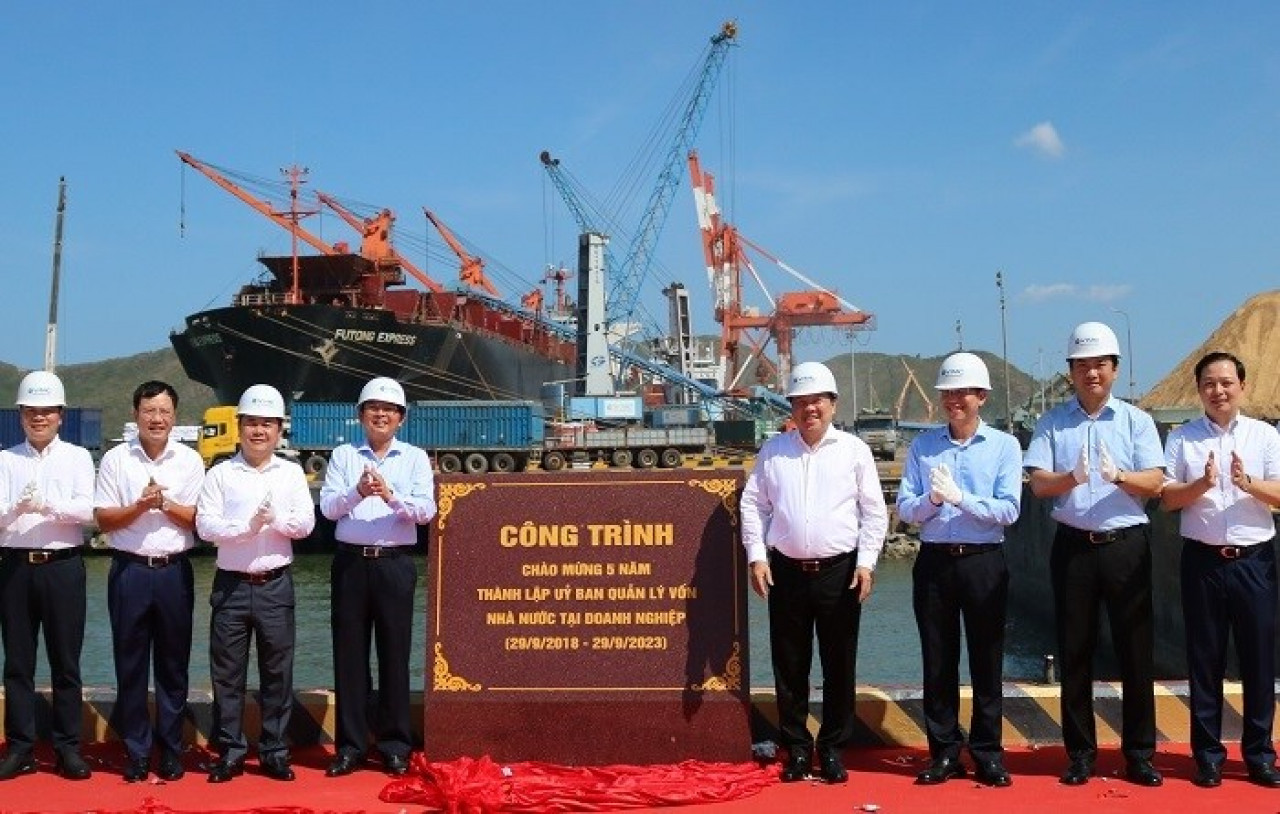
Speaking at the ceremony to attach the signboard of the construction project to upgrade wharf No. 1 - Quy Nhon Port on August 14, Mr. Le Hong Quan, General Director of Quy Nhon Port Joint Stock Company said that the project to upgrade wharf No. 1 - Quy Nhon port has expanded to the water area in front of the old wharf with a width of 35m.
The total length of the berth after upgrading is 480m, ensuring the simultaneous reception of two general cargo ships and a full-load 30,000 DWT container ship.
The wharf structure is also calculated and designed to ensure mooring for general cargo ships and full-load container ships of 50,000 DWT in the period after completing dredging of the water area in front of the wharf, in line with the progress of upgrading and expanding the route. Quy Nhon navigation channel has been approved by the Ministry of Transport.
The investment project on construction and upgrading of wharf No. 1 - Quy Nhon Port is implemented in accordance with the master plan on development of Vietnam's seaport system and the master plan on the group of seaports in the South Central region (group 4) approved by the Prime Minister. Approved by the Ministry of Transport, the expansion plan of Quy Nhon Port in the period of 2020-2030 and a vision after 2030 has been approved by the People's Committee of Binh Dinh province.
In addition to upgrading wharf No. 1, the project also includes dredging of water areas and turning basins to accommodate ships of 30,000 DWT at full load. The next phase will dredging the water area, turning basin to meet the 50,000DWT vessel with full load.
The total investment of the project is more than 546 billion VND with investment capital from the investor's own capital and loan capital. The useful life of the project is 50 years.
According to the plan, the construction period of the project is 14 months. However, during the implementation of the project, the port side urged the contractor to speed up the progress and shorten the construction time to complete the work in the first quarter of 2023, in order to take advantage of the opportunity to exploit in the high season. point in the second quarter of 2023. The project was completed on March 30, 90 days earlier than planned.
According to the leader of Quy Nhon Port, the completion of the project earlier than the original schedule is part of the achievement of celebrating the 5th anniversary of the establishment of the Committee for Management of State Capital at Enterprises.
At the same time, it shows the determination of enterprises in their commitment to the Government and localities in investing to expand the scale and quality of services, meeting market demand with the expected volume of goods through the port by 2025. 15 million tons, contributing to meet the socio-economic development plan in Binh Dinh province, the Central region and the Central Highlands.
Preparing to invest in a series of modern equipment
The leader of Quy Nhon Port said that in the development plan for the period of 2021 - 2025, the port will be expanded to nearly 90 hectares (three times the current level) with functional subdivisions and specialized technology and equipment. used to meet the role of a gateway port in the central key economic region.
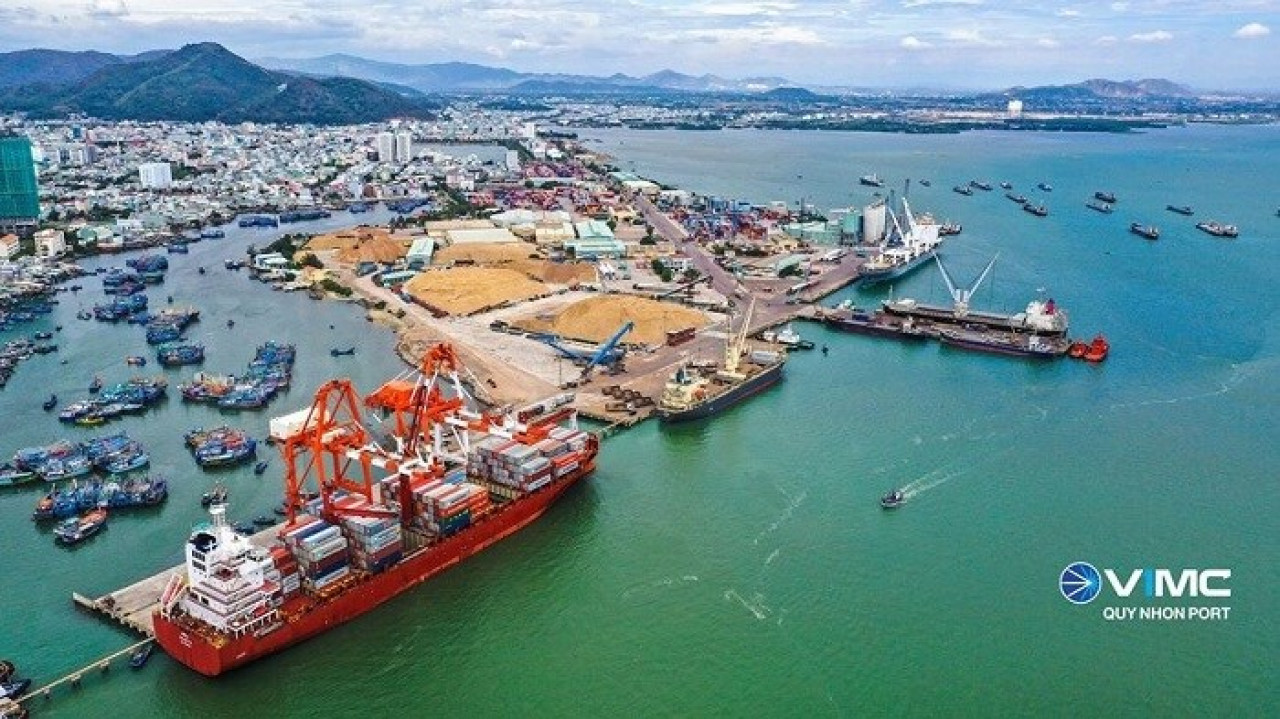
In order to increase the capacity and efficiency of port operation, in the coming time, Quy Nhon Port will implement a number of tasks and projects with a total value of nearly 770 billion VND, including completing the project of dredging the water area in front of the wharf. , before September 30.
In which, in the period of 2023 - 2024, there will be an investment project of 2 multi-function cranes worth VND 250 billion, a specialized warehouse project of 10,000 m2 worth VND 60 billion and a project to repair the bridge deck and the bridge leading to the wharf No. 4 is worth 6 billion VND.
In the period after 2024, the port will implement an investment project of 2 specialized STS cranes for container cargo worth 450 billion VND.
Previously, the Ministry of Transport issued a decision to adjust the investment project to build a project to renovate and upgrade Quy Nhon channel for ships of 50,000 DWT in order to improve the channel and turning basin of Quy Nhon navigation channel for incoming vessels. 50,000 DWT, with a total investment of more than 700 billion. The project is expected to be implemented in the fourth quarter of 2023.
When the project is completed, it will be synchronized with the wharf infrastructure and the means and technology already available at Quy Nhon Port, ensuring to improve the capacity of receiving large tonnage ships to do cargo at the port.
The Panama Canal will further reduce the maximum allowable draft for Neopanamax vessels from late August 2026 as water levels in Gatun Lake continue to decline.
In modern logistics, delays are no longer viewed as mere inconveniences. They can result in significant financial losses, including reduced revenue, dissatisfied customers, increased warehousing costs, disrupted production schedules, and damaged business reputation
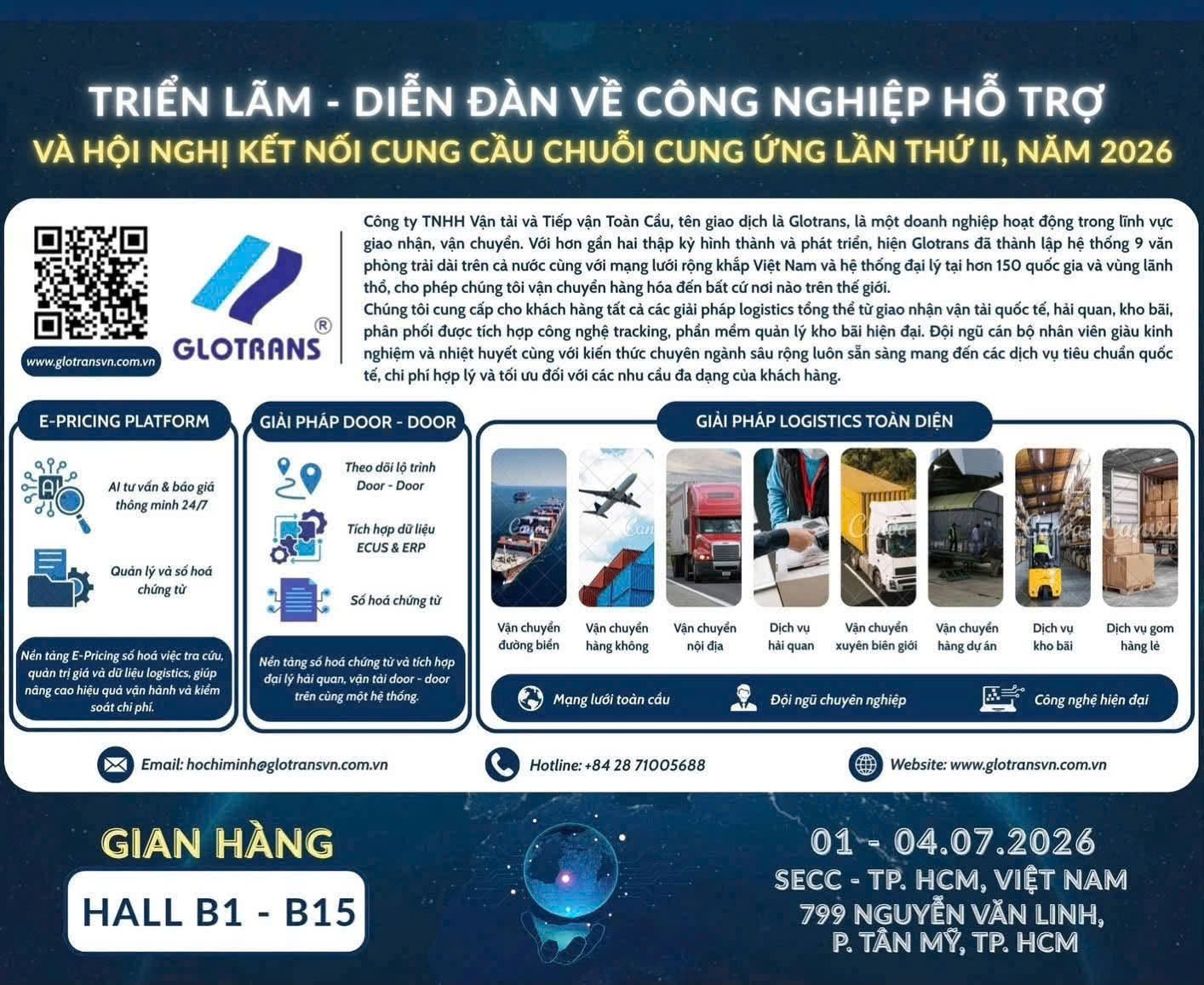
From July 1–4, 2026, Glotrans is participating in MTA Vietnam 2026, one of Vietnam's leading international exhibitions for precision engineering, manufacturing, and supporting industries, held at the Saigon Exhibition and Convention Center (SECC), Ho Chi Minh City.
The Mid-Autumn Festival is not only a time for family reunions, but also a special occasion to share love, send warm wishes, and enjoy meaningful moments with our beloved colleagues.
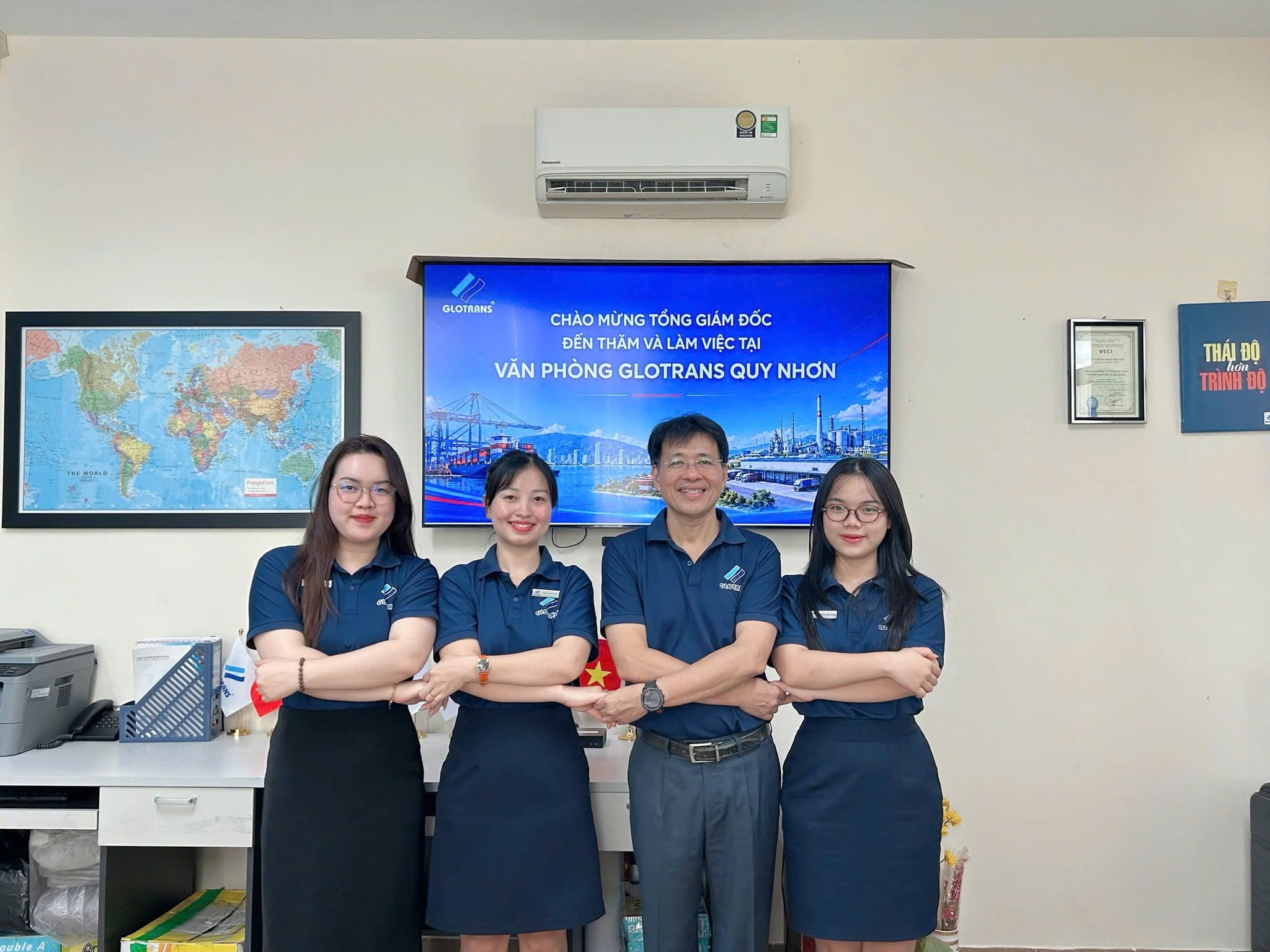
Over the past few days, GLOTRANS’s General Director has been traveling between offices, from Da Nang to Quy Nhon, to personally attend meetings reviewing the business performance of the first six months of the year, assess each office’s operations, and work with the teams to set goals for the next stage.
GLOTRANS would like to inform our Valued Customers and Partners of our holiday schedule for Vietnam’s National Day (2 September 2026) as follows:
The shipment of food additives was transported in container No. FCIU3301688 (20’), under B/L MPRSMUM1806, on the voyage from Nhavasheva Port (India) to Dinh Vu Port (Hai Phong, Vietnam) on 29/04/2017.
Company T (Plaintiff – the Insured) entered into an insurance contract with Company B (Defendant – the Insurer). After the insured event occurred, the Insurer alleged that the Insured had violated its obligation to prevent and mitigate losses. The Arbitral Tribunal acknowledged that such an obligation exists but concluded that the Insured did not breach it.
Under the insurance contract, the premium was to be paid in three installments, and in all three, the insured party was late in payment. When a dispute arose, the insurer (Defendant) argued that the insurance contract had terminated before the insured event occurred due to the late premium payment and therefore refused to make an insurance payout. However, the Arbitral Tribunal held a contrary view.