PANAMA CANAL TO FURTHER REDUCE DRAFT LIMIT FOR NEOPANAMAX VESSELS
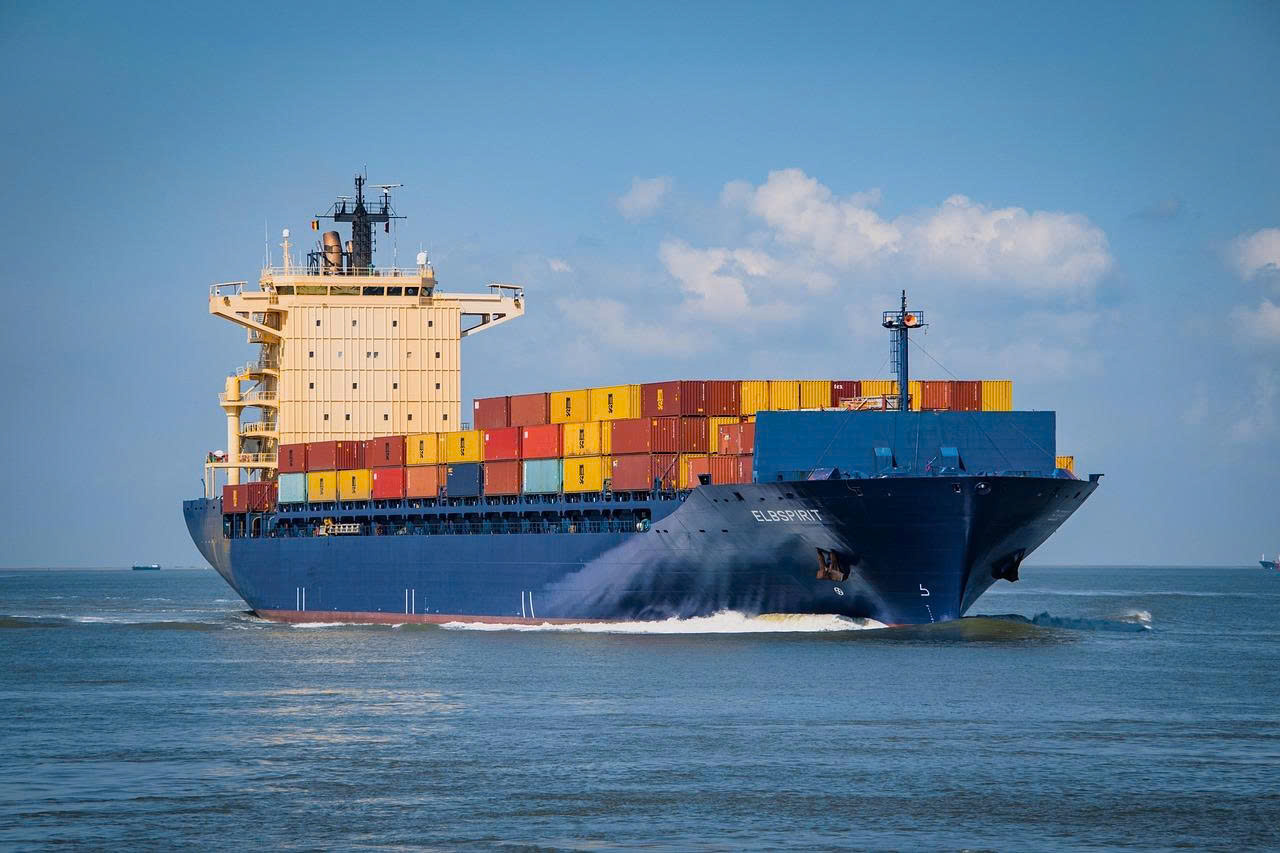
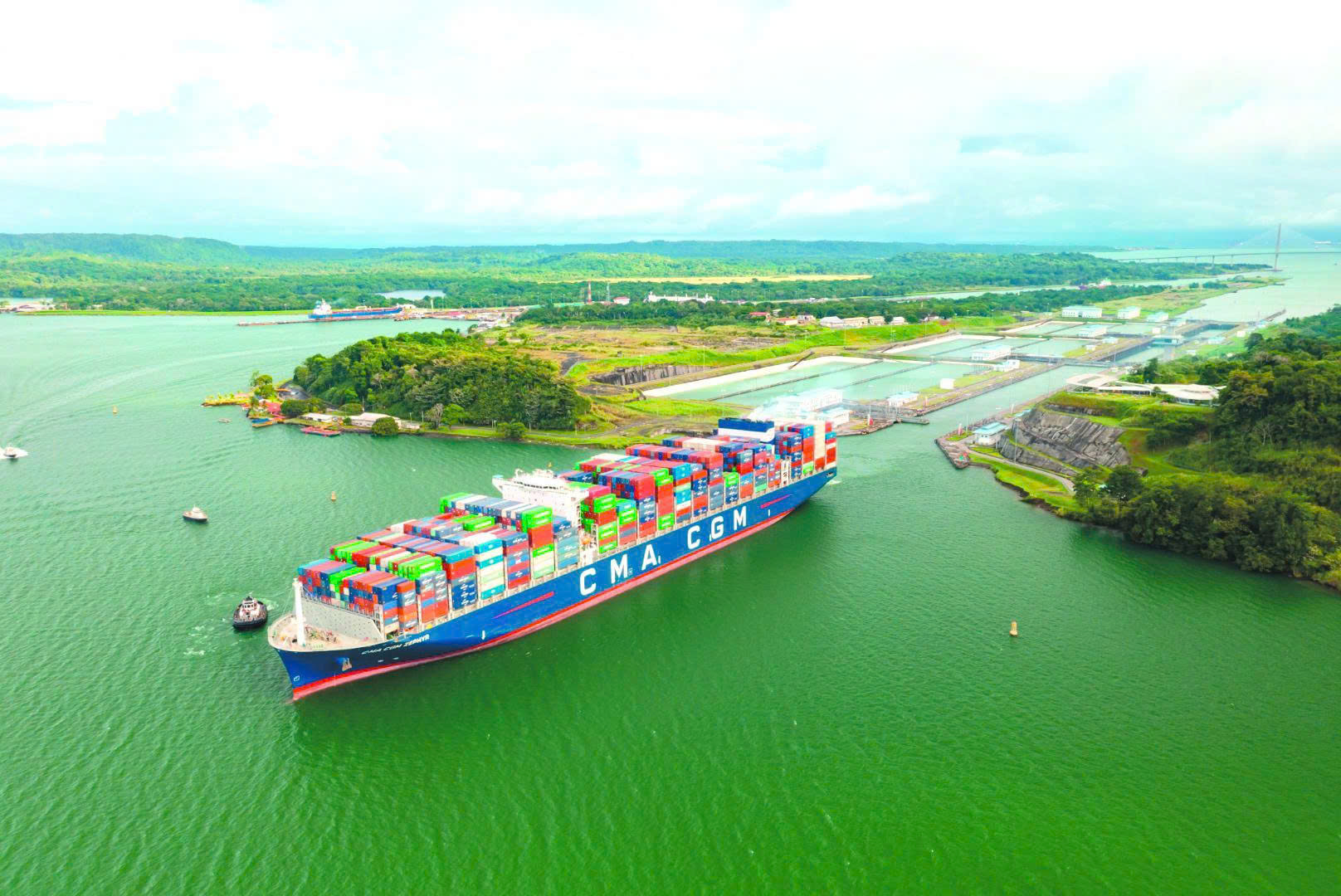
The Panama Canal will further reduce the maximum allowable draft for Neopanamax vessels from late August 2026 as water levels in Gatun Lake continue to decline.
Logistics costs are still quite high, but comparing North-South transportation is twice as expensive as going to the US, according to Deputy Prime Minister Le Minh Khai.
Questioning the Government, National Assembly member Dinh Ngoc Minh said that Vietnam's logistics costs are currently too large (accounting for about 60%). A container of goods from North to South costs about 2,000 USD, while transferring 1 container from Vietnam to the US costs only 1,000 USD.
He asked, what solutions does the Government have to reduce logistics costs for businesses. Currently, the experience of developed countries is to make a freight railway in combination with carrying passengers to make a profit. Accordingly, he requested the Government to report to the National Assembly soon to deploy two railway sections (Lach Huyen - Yen Vien - Lao Cai and Vung Tau - Dong Nai) in the form of public investment.
Before this recommendation, Deputy Prime Minister Le Minh Khai said that Vietnam's logistics costs are currently equivalent to 16.8-17% of GDP, still quite high compared to the world average of 10.6%. . However, this level is basically close to the Government's target that by 2025, logistics costs will be reduced by 16-20%.

Regarding the cost of delegates mentioned, the Deputy Prime Minister said that according to the survey data, the cost of transporting a 20-foot container from the North to the South costs $2,000, corresponding to the method of transportation by road.
However, depending on the item, the needs of the shipper in terms of time and transportation conditions, businesses can choose other modes of transport such as rail or sea with a cost equivalent to only 50-70%. by road (depending on loading and unloading conditions).
For example, sea freight rates from Hai Phong to Ho Chi Minh City are fluctuating between 9.2-9.5 million VND for a 20-foot container and about 12 million VND for a 40-foot container. In the opposite direction, from Ho Chi Minh City - Hai Phong, the freight rate is about 6-8 million VND for a 20-foot container and 9-10 million VND for a 40-foot container.
For international sea transport, the determination of freight rates depends on seasonality and shipping conditions. Currently, the freight rate for sea freight for a 40-foot container to the US is about $2,000-2,500. During the epidemic period, this fee can be up to $20,000.
"The comparison of transport costs between different sectors - routes and modes of transport is very difficult to accurately convert to the same corresponding ground," said the Deputy Prime Minister.
However, he affirmed that in the coming time, the Government will continue to find ways to reduce the ratio of logistics costs. In which, focusing on the development of transport infrastructure, logistics centers, inland ports; adjusting policies related to prices and transportation charges; decentralization and rights for localities in infrastructure investment and exploitation.
Regarding the two railway lines connecting the sea, the Deputy Prime Minister said that the Bien Hoa - Vung Tau railway line is being prepared a pre-feasibility study report. This route is about 128 km long, double track, 1,435 mm gauge, with a total investment of about 6.2 billion USD.
As for the Lao Cai - Hanoi - Hai Phong route, the detailed planning has been completed basically, with a length of about 380 km, double track, 1,435mm gauge, total investment of 10-11 billion USD.
Due to the relatively large total investment of two railway lines, the Prime Minister has included in the National List of projects calling for foreign investment in the 2021-2025 period to mobilize investment resources. It is expected that both projects will complete the pre-feasibility study report before 2025.
In addition, the two seaports of Lach Huyen and Cai Mep - Thi Vai have been invested and connected by road (highway, national highway), inland waterway. The volume of goods through Cai Mep - Thi Vai port, reached over 80%, meeting the transportation needs of the two seaports at a reasonable cost.
In the long term, the Deputy Prime Minister said, reducing the market share of road transport connecting to seaports is one of the important solutions to reduce logistics costs, of which two railway lines connecting the seaport are Lao Cai. - Hanoi - Hai Phong (connecting Lach Huyen port area) and Bien Hoa - Vung Tau (connecting Cai Mep - Thi Vai wharf area) should be invested and started construction before 2030.
The Panama Canal will further reduce the maximum allowable draft for Neopanamax vessels from late August 2026 as water levels in Gatun Lake continue to decline.
In modern logistics, delays are no longer viewed as mere inconveniences. They can result in significant financial losses, including reduced revenue, dissatisfied customers, increased warehousing costs, disrupted production schedules, and damaged business reputation
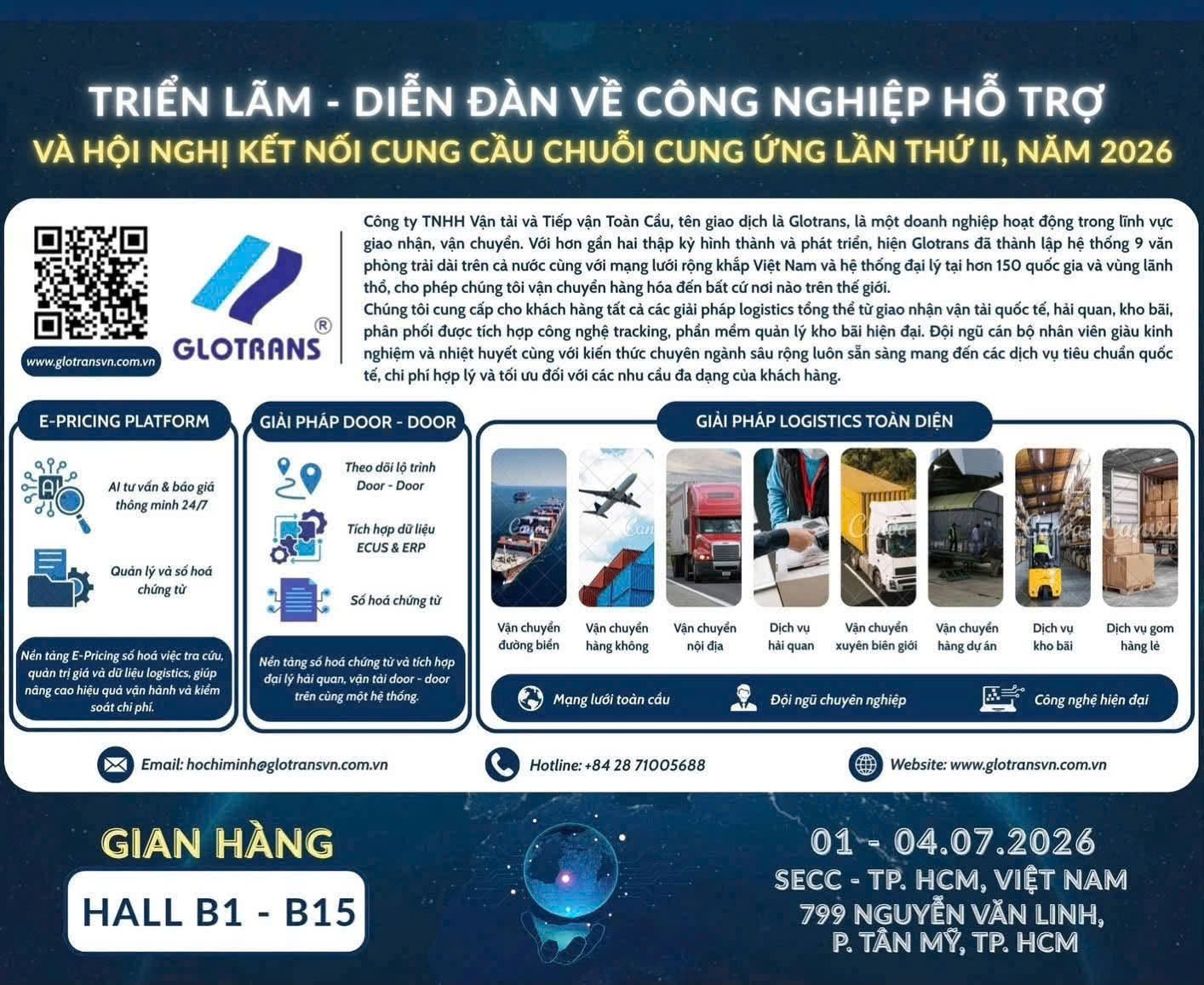
From July 1–4, 2026, Glotrans is participating in MTA Vietnam 2026, one of Vietnam's leading international exhibitions for precision engineering, manufacturing, and supporting industries, held at the Saigon Exhibition and Convention Center (SECC), Ho Chi Minh City.
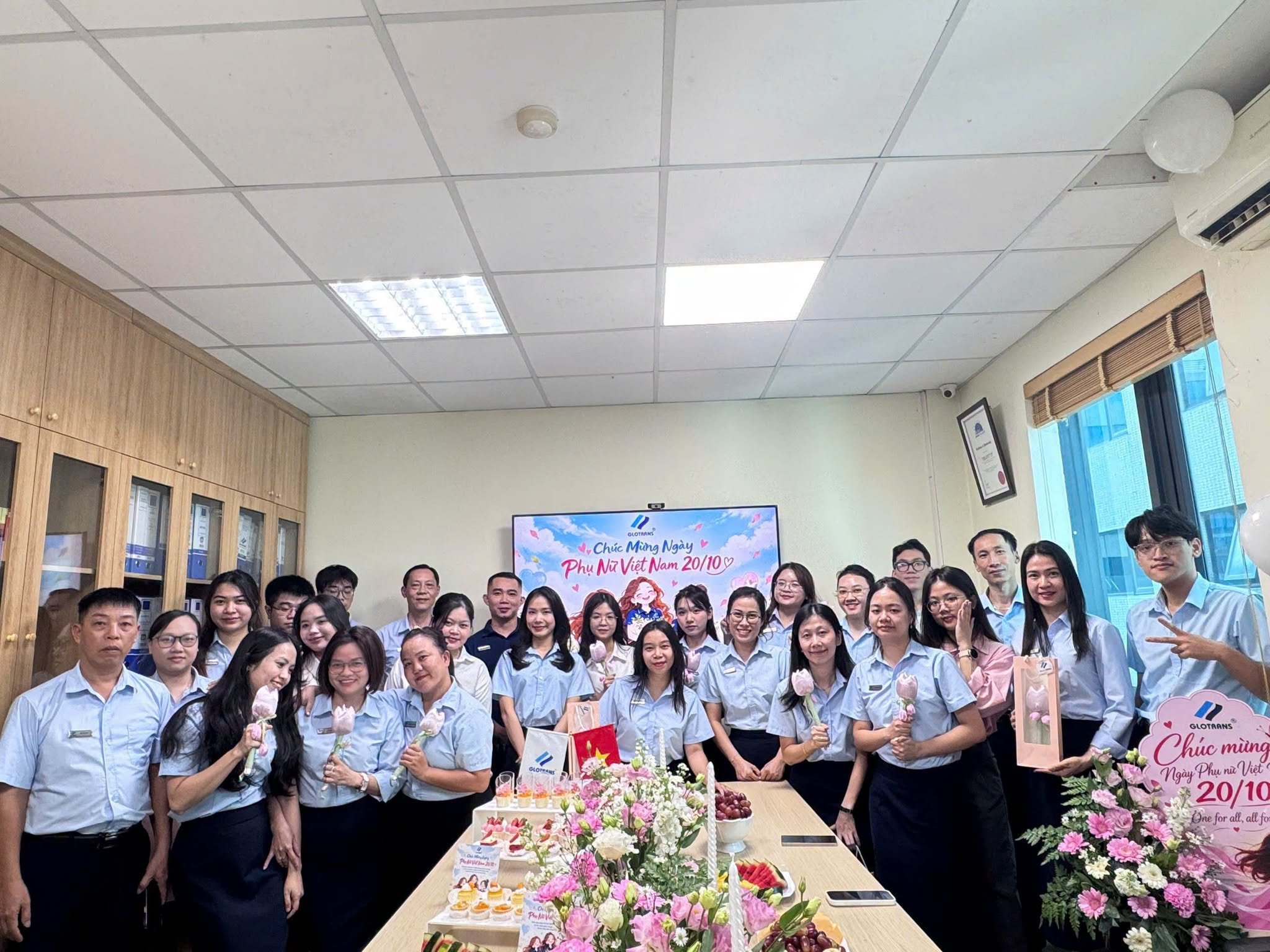
In celebration of Vietnamese Women’s Day on October 20, Glotrans branches across the entire system have organized meaningful activities, creating a warm, joyful atmosphere and many memorable moments for female employees.
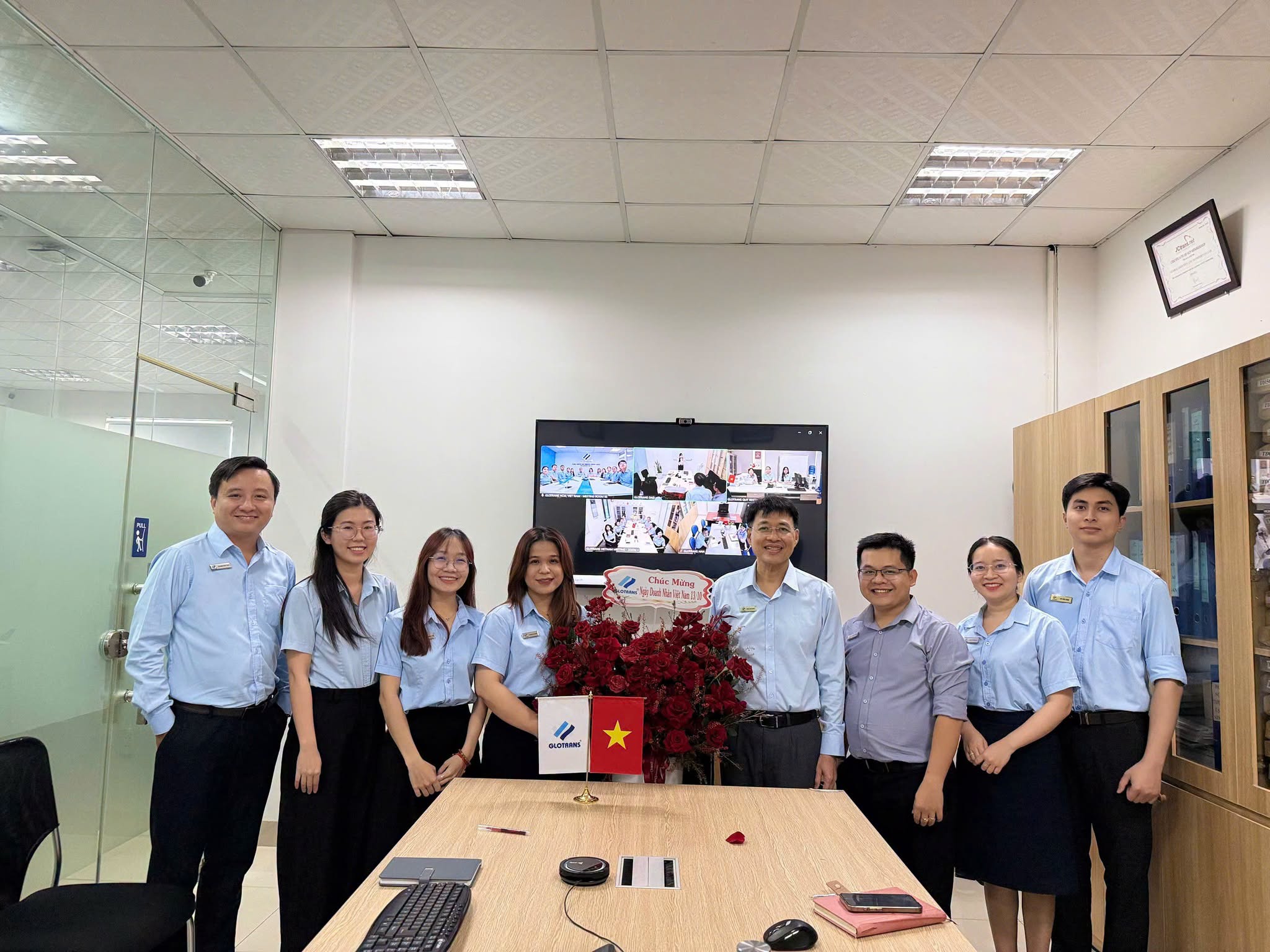
Vietnamese Entrepreneurs’ Day, celebrated on October 13, is an occasion to honor the contributions of the business community to the country’s economic development, while recognizing the resilience, innovative spirit, and ambition of those who lead businesses forward
The Mid-Autumn Festival is not only a time for family reunions, but also a special occasion to share love, send warm wishes, and enjoy meaningful moments with our beloved colleagues.
The shipment of food additives was transported in container No. FCIU3301688 (20’), under B/L MPRSMUM1806, on the voyage from Nhavasheva Port (India) to Dinh Vu Port (Hai Phong, Vietnam) on 29/04/2017.
Company T (Plaintiff – the Insured) entered into an insurance contract with Company B (Defendant – the Insurer). After the insured event occurred, the Insurer alleged that the Insured had violated its obligation to prevent and mitigate losses. The Arbitral Tribunal acknowledged that such an obligation exists but concluded that the Insured did not breach it.
Under the insurance contract, the premium was to be paid in three installments, and in all three, the insured party was late in payment. When a dispute arose, the insurer (Defendant) argued that the insurance contract had terminated before the insured event occurred due to the late premium payment and therefore refused to make an insurance payout. However, the Arbitral Tribunal held a contrary view.