PANAMA CANAL TO FURTHER REDUCE DRAFT LIMIT FOR NEOPANAMAX VESSELS
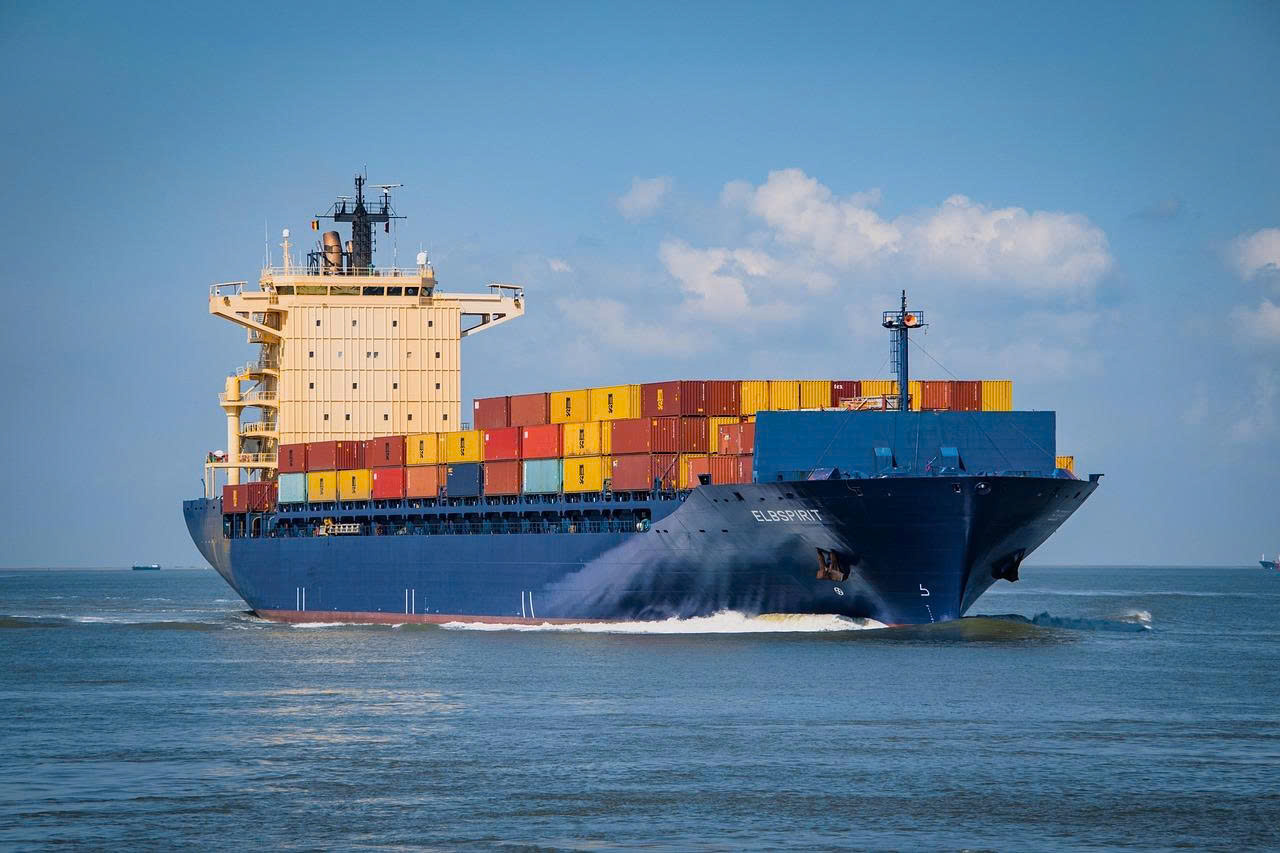
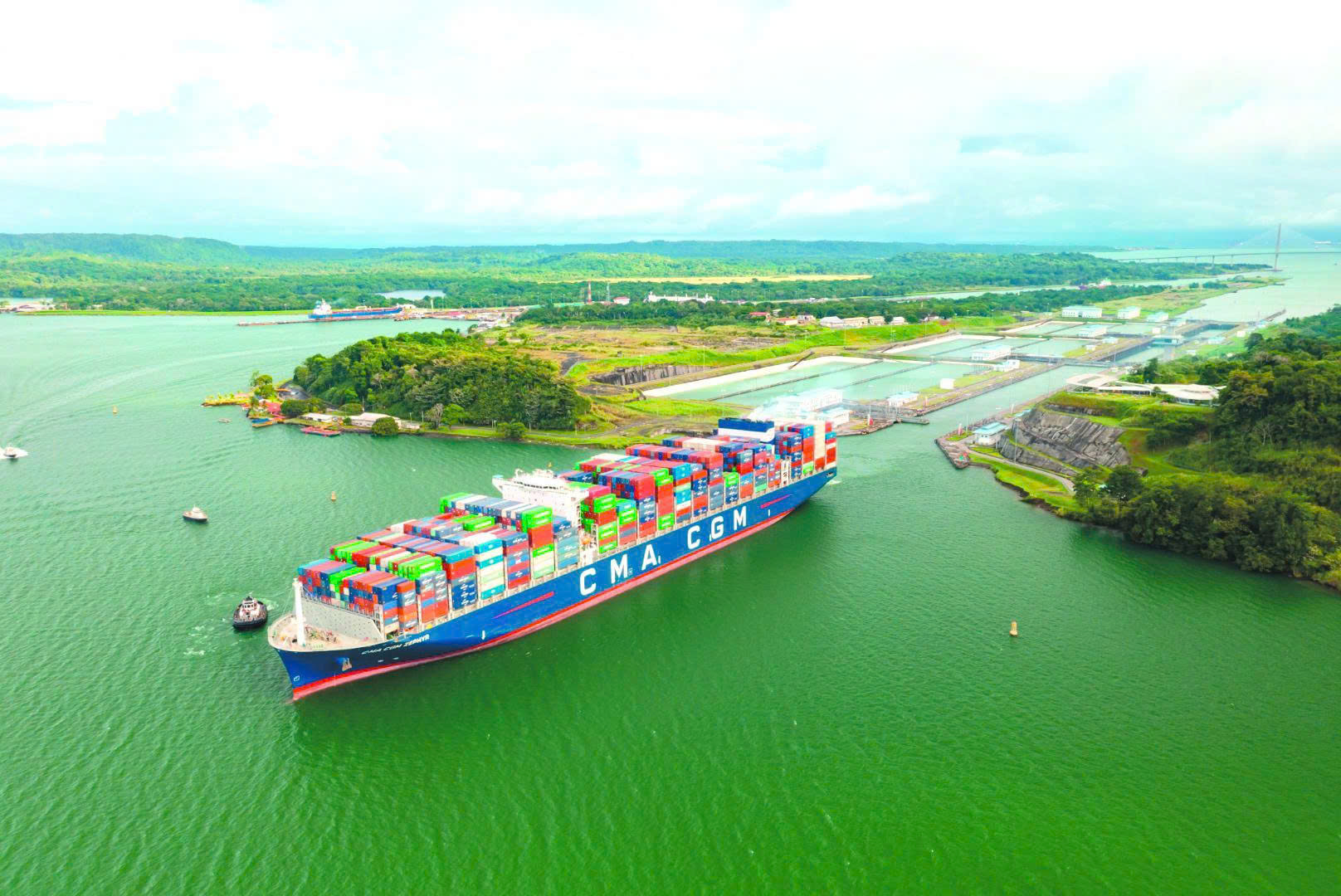
The Panama Canal will further reduce the maximum allowable draft for Neopanamax vessels from late August 2026 as water levels in Gatun Lake continue to decline.
Since December 1, 2022, the Ministry of Industry and Trade has been assigned by the Government to be the state management agency for the operation of Vietnam's logistics service industry. This task of the Ministry of Industry and Trade is based on Task No. 53 on "consolidating the entire state management apparatus in logistics" of Decision No. 221/QD-TTg dated February 22, 2021 of the Prime Minister.
This is the result after many times the Vietnam Logistics Business Association (VLA) persistently suggested that there should be a unified state management agency for the logistics industry. The most recent report was at the Vietnam Logistics Forum on November 26, 2022; And before that, on August 5, 2022, at the 8th Session of the National Steering Committee on ASEAN Single Window, National Single Window and Trade Facilitation (Committee 1899), Standing Vice Chairman Dao Trong Khoa reported directly to Standing Deputy Prime Minister Pham Binh Minh on behalf of the VLA Association.
Decree No. 96/2022/ND-CP (Decree 96) was issued on November 29, 2022, defining the functions, duties, powers and organizational structure of the Ministry of Industry and Trade. According to points a and b, Clause 16, Article 2 of this Decree, the Ministry of Industry and Trade is assigned the task of "assume the prime responsibility for, and coordinate with ministries, branches and localities in, formulating and organizing the implementation of policies and laws on logistics services. Coordinating and supporting ministries, branches, localities and associations to develop services logistics”. The Decree takes effect from December 1, 2022 - just after 02 days from the date of signing and is the first day of the last month in an exciting year for the logistics service industry and Vietnam's economy.
Along with the efforts of the VLA Association, over the past time, the Agency of Foreign Trade - the Ministry of Industry and Trade has always accompanied, listened to, and appreciated the opinions of the VLA Association in removing difficulties and obstacles of the operation of the logistics service industry in Vietnam. More than anyone else, the Agency of Foreign Trade - Ministry of Industry and Trade understands the urgency and importance of having a state agency in charge of management to promptly grasp and plan development strategies in line with the practice of promoting industry development.
With Decree 96, VLA believes that Vietnam's logistics service industry will have new developments through the management and guidance of the Ministry of Industry and Trade. VLA also hopes that the annual meeting of the FIATA World Congress 2025 held in Vietnam, which VLA has successfully made efforts after many years of participating in, won the right to host will contribute to promoting import and export of goods, logistics services in particular and Vietnam's trade, tourism, services and economy in general. Also with Decree 96, an inter-regional logistics association will soon be established with the help of the recent VLA as it has supported the formation of a local association recently.
The Panama Canal will further reduce the maximum allowable draft for Neopanamax vessels from late August 2026 as water levels in Gatun Lake continue to decline.
In modern logistics, delays are no longer viewed as mere inconveniences. They can result in significant financial losses, including reduced revenue, dissatisfied customers, increased warehousing costs, disrupted production schedules, and damaged business reputation
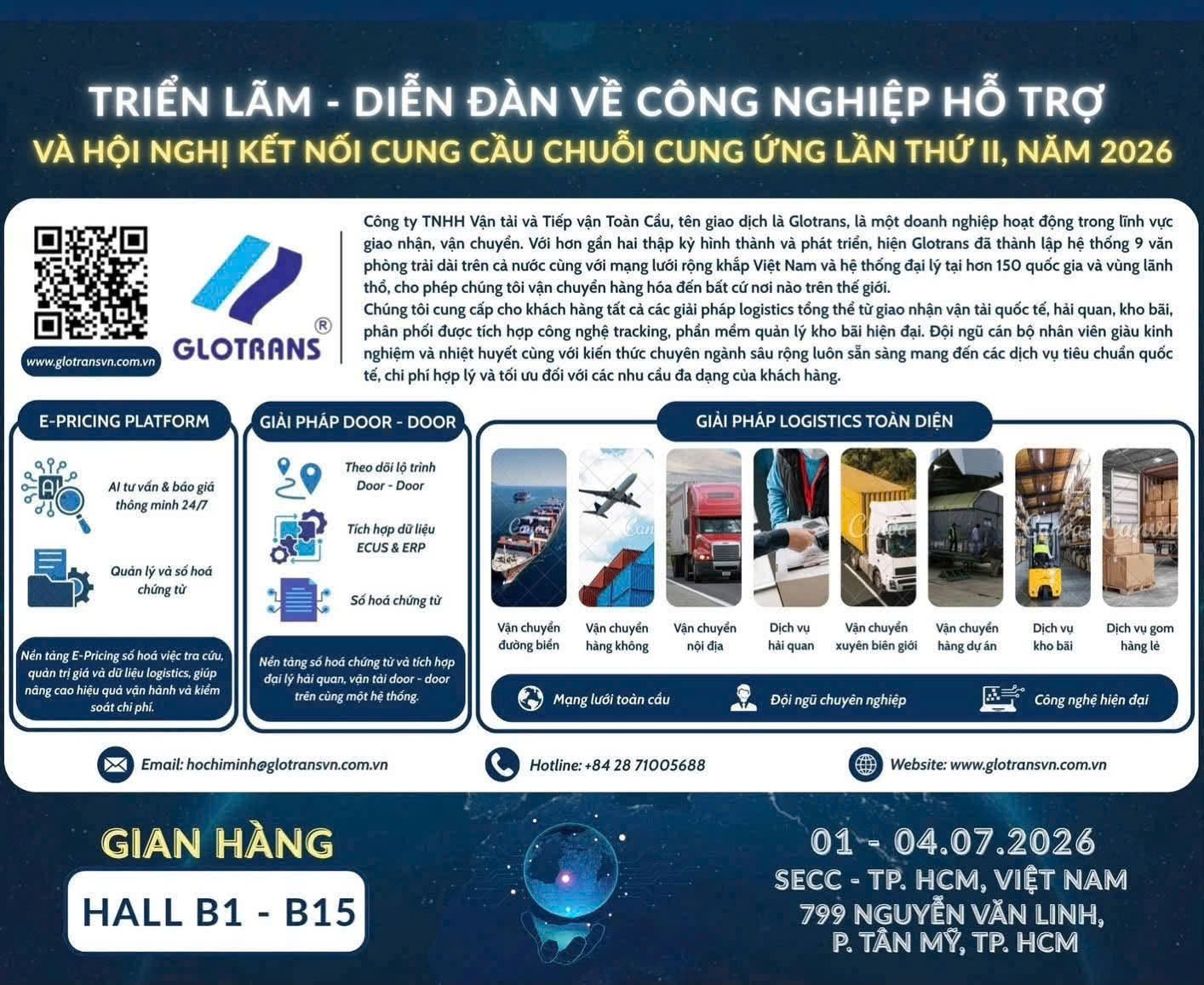
From July 1–4, 2026, Glotrans is participating in MTA Vietnam 2026, one of Vietnam's leading international exhibitions for precision engineering, manufacturing, and supporting industries, held at the Saigon Exhibition and Convention Center (SECC), Ho Chi Minh City.
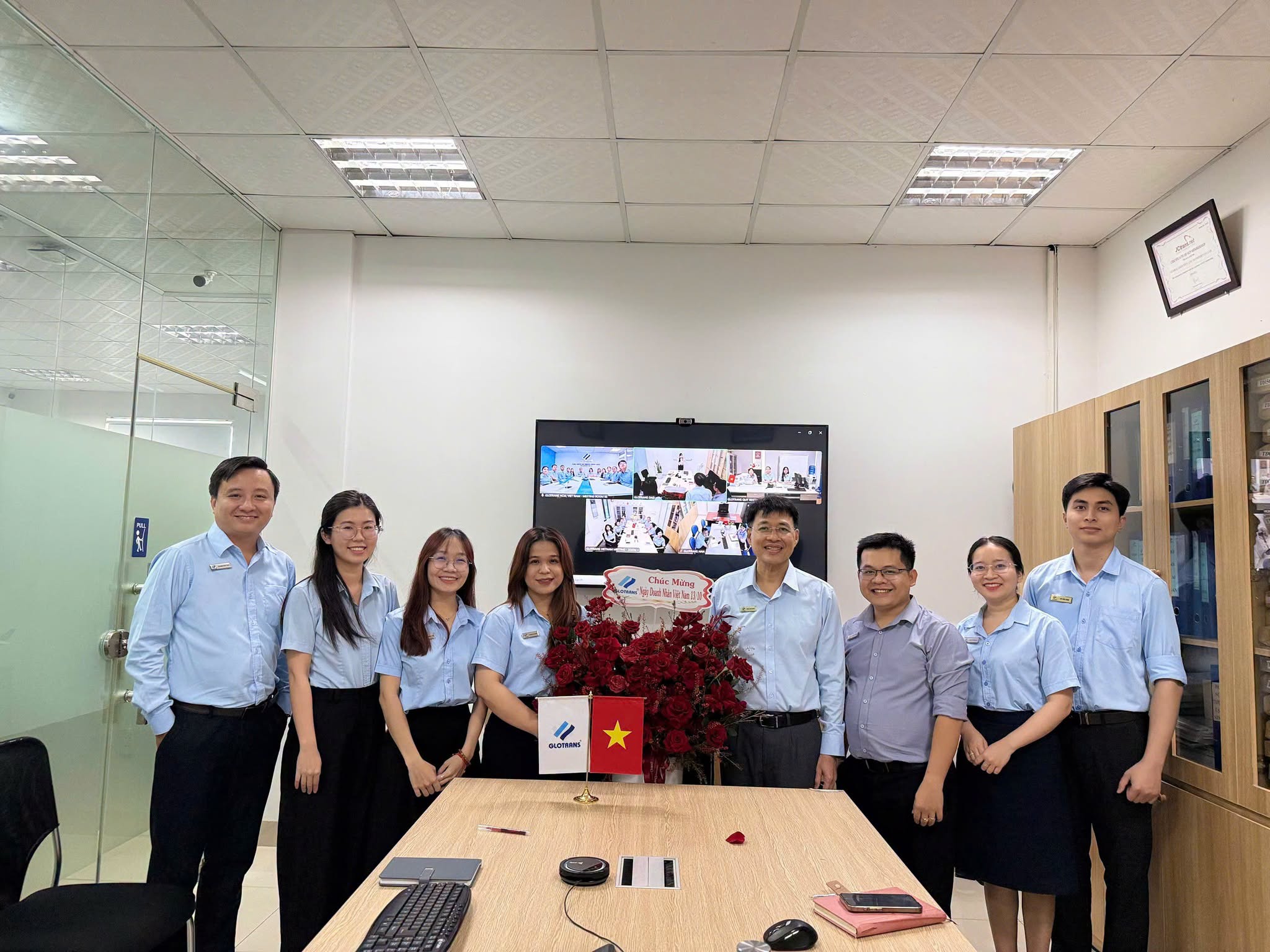
Vietnamese Entrepreneurs’ Day, celebrated on October 13, is an occasion to honor the contributions of the business community to the country’s economic development, while recognizing the resilience, innovative spirit, and ambition of those who lead businesses forward
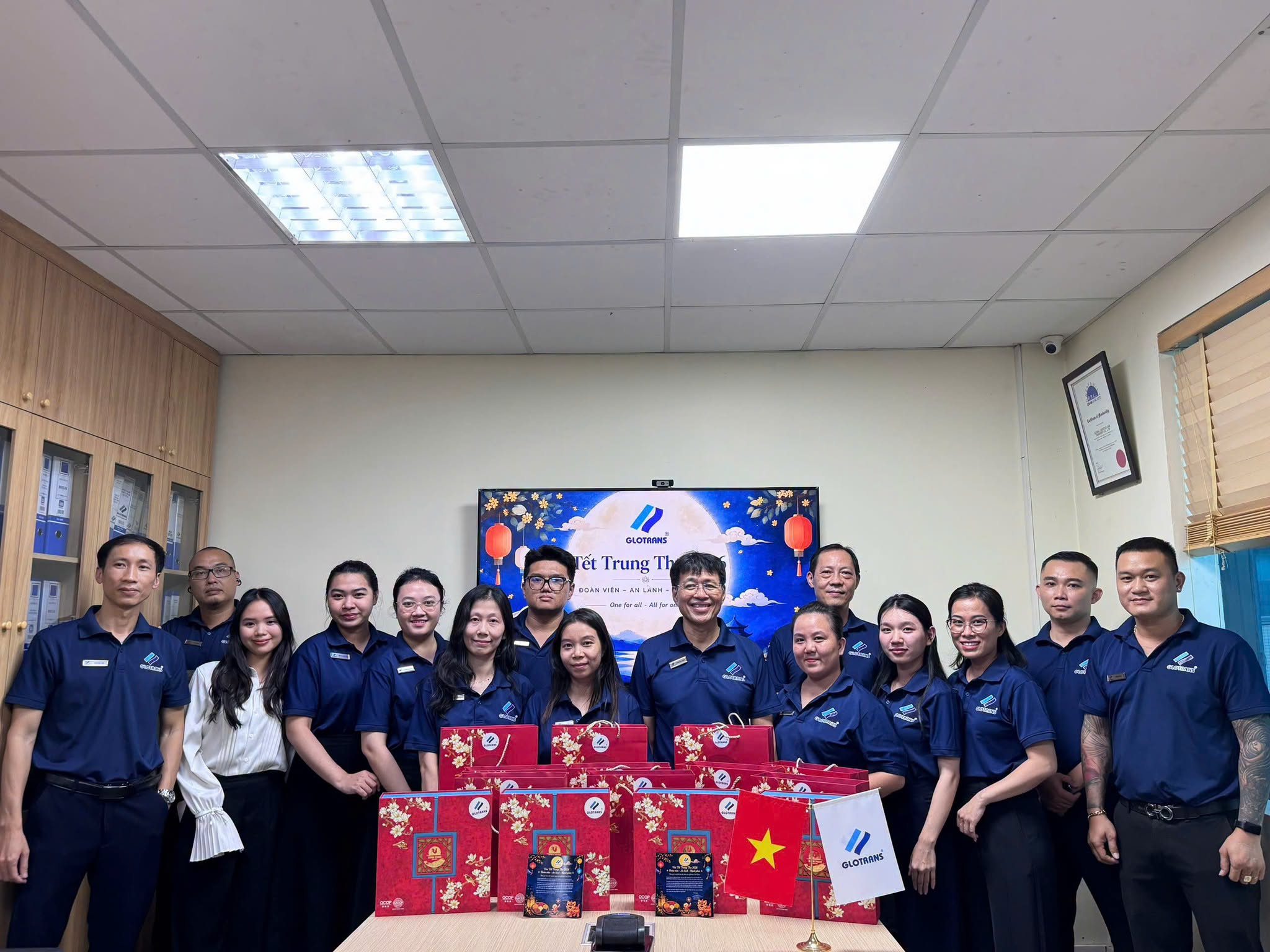
The Mid-Autumn Festival is not only a time for family reunions, but also a special occasion to share love, send warm wishes, and enjoy meaningful moments with our beloved colleagues.
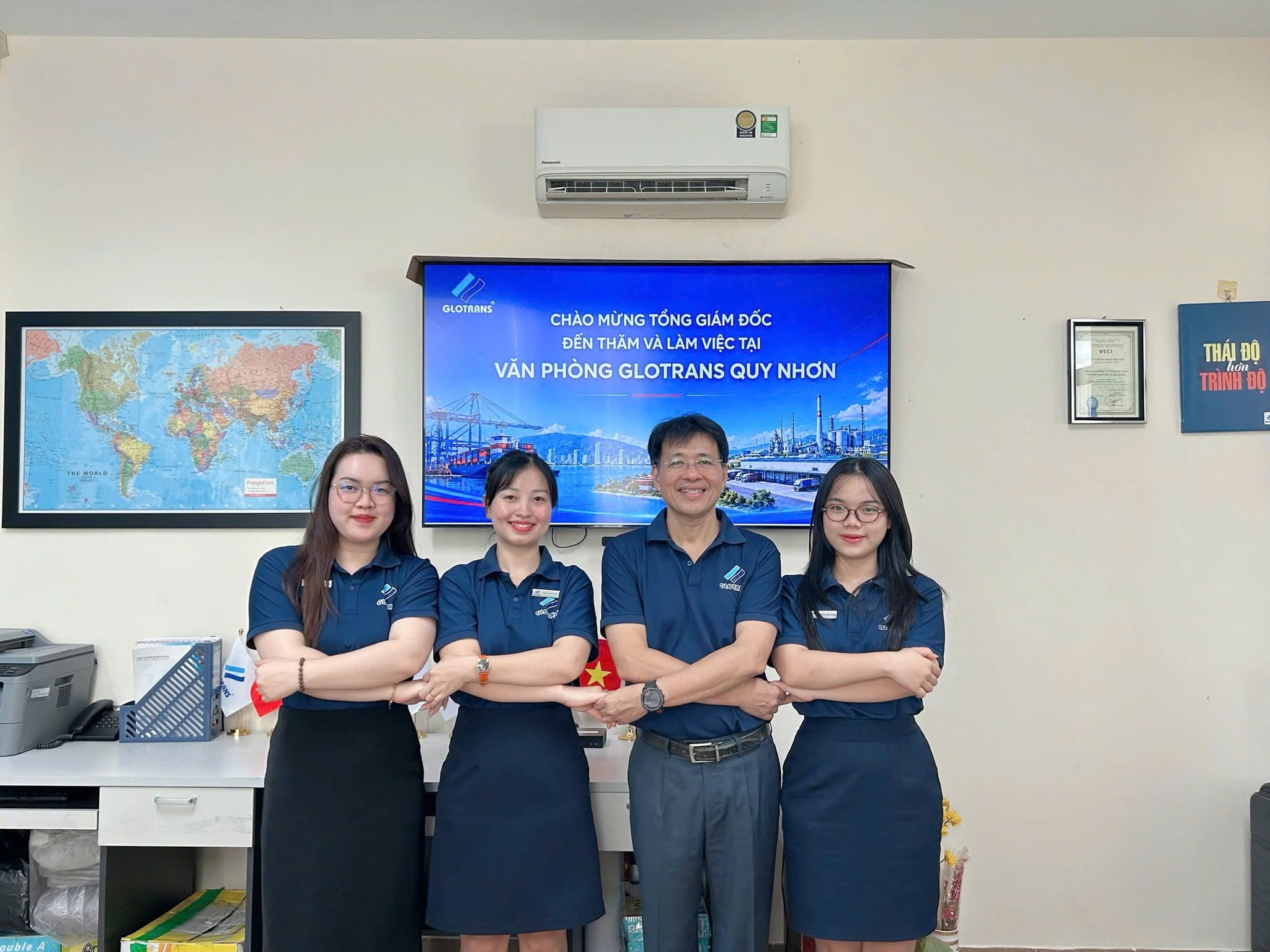
Over the past few days, GLOTRANS’s General Director has been traveling between offices, from Da Nang to Quy Nhon, to personally attend meetings reviewing the business performance of the first six months of the year, assess each office’s operations, and work with the teams to set goals for the next stage.
The shipment of food additives was transported in container No. FCIU3301688 (20’), under B/L MPRSMUM1806, on the voyage from Nhavasheva Port (India) to Dinh Vu Port (Hai Phong, Vietnam) on 29/04/2017.
Company T (Plaintiff – the Insured) entered into an insurance contract with Company B (Defendant – the Insurer). After the insured event occurred, the Insurer alleged that the Insured had violated its obligation to prevent and mitigate losses. The Arbitral Tribunal acknowledged that such an obligation exists but concluded that the Insured did not breach it.
Under the insurance contract, the premium was to be paid in three installments, and in all three, the insured party was late in payment. When a dispute arose, the insurer (Defendant) argued that the insurance contract had terminated before the insured event occurred due to the late premium payment and therefore refused to make an insurance payout. However, the Arbitral Tribunal held a contrary view.