PANAMA CANAL TO FURTHER REDUCE DRAFT LIMIT FOR NEOPANAMAX VESSELS
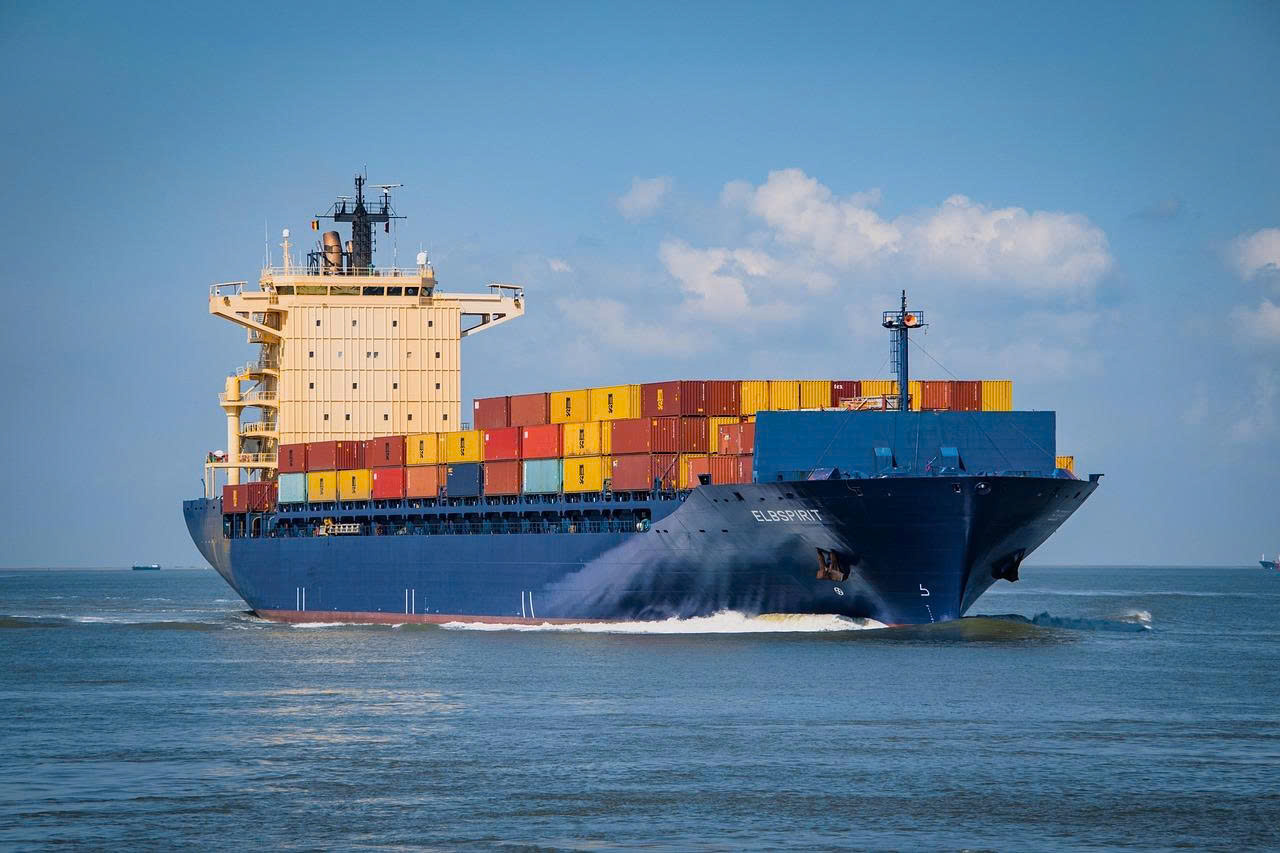
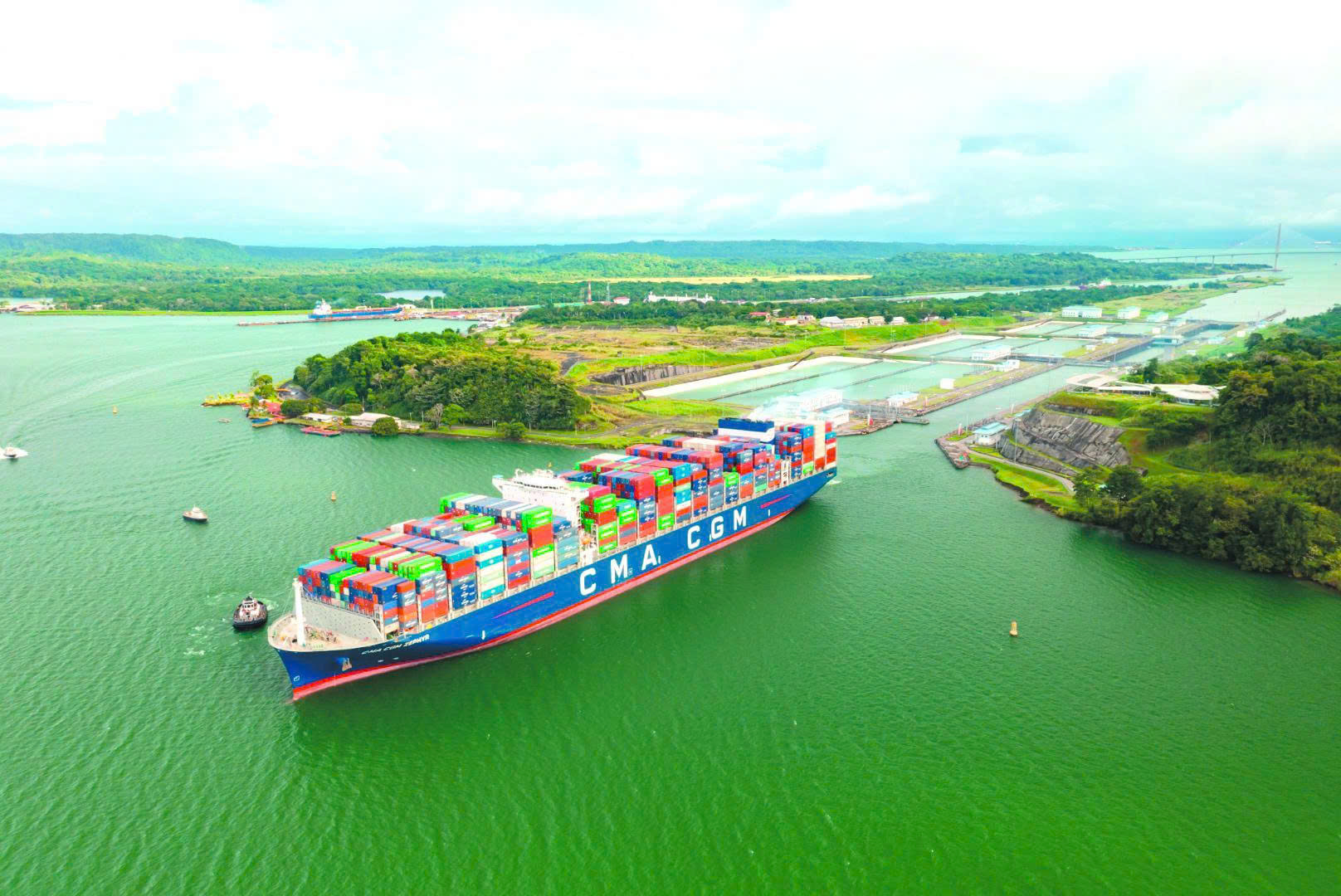
The Panama Canal will further reduce the maximum allowable draft for Neopanamax vessels from late August 2026 as water levels in Gatun Lake continue to decline.
In the 11 months of 2022, the scale of import and export turnover of Ho Chi Minh City reached 101.58 billion USD, of which exports 43.62 billion USD, imports 57.96 billion USD...

According to data released by the General Department of Customs, with a result of 101.58 billion USD after 11 months of 2022, Ho Chi Minh City is far ahead of other localities in the leading group in terms of import and export turnover. Specifically, after 11 months, the import and export scale of Bac Ninh province reached 78.55 billion USD; Binh Duong ranked third, reaching 54.4 billion USD… In addition, Ho Chi Minh City continued to maintain its leading position in the proportion of import and export turnover of the country.
Mr. Dinh Ngoc Thang, Director of Ho Chi Minh City Customs Department, estimated that by the end of December, the city's total import and export turnover in 2022 will reach about 140 billion USD, up 9.8% compared to 2021, total revenue is about 138,000 billion VND.
However, the trade balance of Ho Chi Minh City has a trade deficit of over 14 billion USD. This reflects the situation of export production in Ho Chi Minh City, which is showing signs of deceleration in the last months of the year due to the impact of inflation in key markets.
Last year, despite being heavily affected by the Covid-19 epidemic at the end of the second quarter of 2021, Ho Chi Minh City still led the country in exports, reaching nearly 45 billion USD, followed by Bac Ninh with 44 billion USD. 8 billion USD, Binh Duong ranked 3rd with 32.7 billion USD.
Currently, Vietnam's export goods have gradually affirmed the quality and brand reputation, especially agricultural-forestry-fishery products, textiles, footwear, phones and accessories, and electronic goods - items that are accounting for a large proportion in the export structure.
The structure of Vietnam's exports has also had a strong shift from raw exports to exports of highly processed products, processed and manufactured industrial products with high added value.
So far, Vietnam has signed 15 bilateral and multilateral free trade agreements with regions and countries around the world. Free trade agreements require businesses to change their thinking and get used to international regulations and laws in trade and investment.
In the context of many economies around the world, along with complicated geopolitical developments in some regions, the amount of remittances flowing to Ho Chi Minh City will continue to grow quite positively and is forecasted to reach about 6.8 billion USD.
This is considered a golden resource not only contributing to improving the living standards of the people in the country, but also an important financial resource for the economic development of the country.
It is known that in recent years, Ho Chi Minh City has always been the leading locality in the country in terms of remittances received. In 2021, the amount of remittances flowing to Ho Chi Minh City will reach about 6.5-6.6 billion USD, up 9% over the previous year, despite the complicated developments of the Covid-19 pandemic. Meanwhile, for the whole country, the amount of remittances reached about 12.5 billion USD.
The Panama Canal will further reduce the maximum allowable draft for Neopanamax vessels from late August 2026 as water levels in Gatun Lake continue to decline.
In modern logistics, delays are no longer viewed as mere inconveniences. They can result in significant financial losses, including reduced revenue, dissatisfied customers, increased warehousing costs, disrupted production schedules, and damaged business reputation
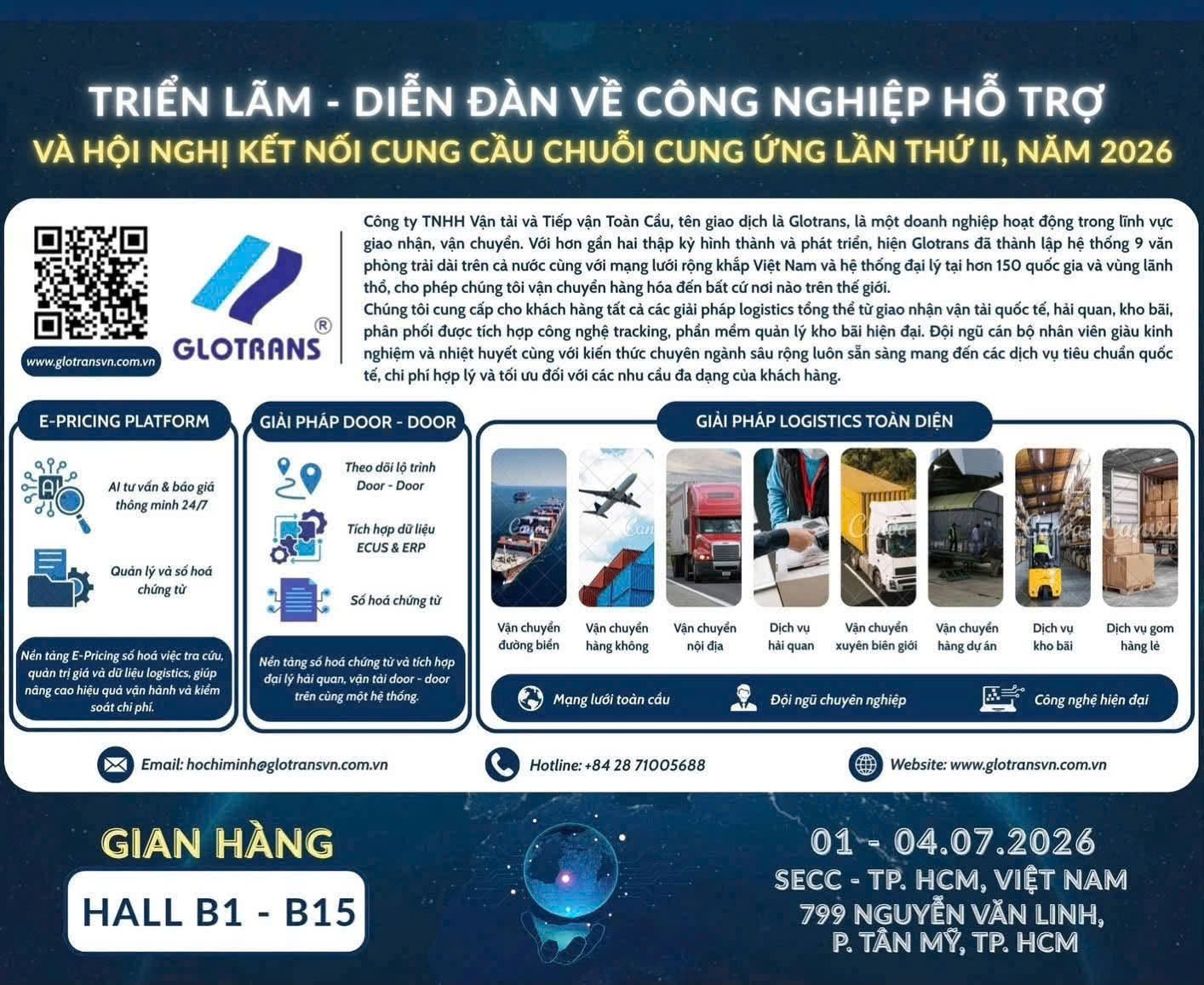
From July 1–4, 2026, Glotrans is participating in MTA Vietnam 2026, one of Vietnam's leading international exhibitions for precision engineering, manufacturing, and supporting industries, held at the Saigon Exhibition and Convention Center (SECC), Ho Chi Minh City.
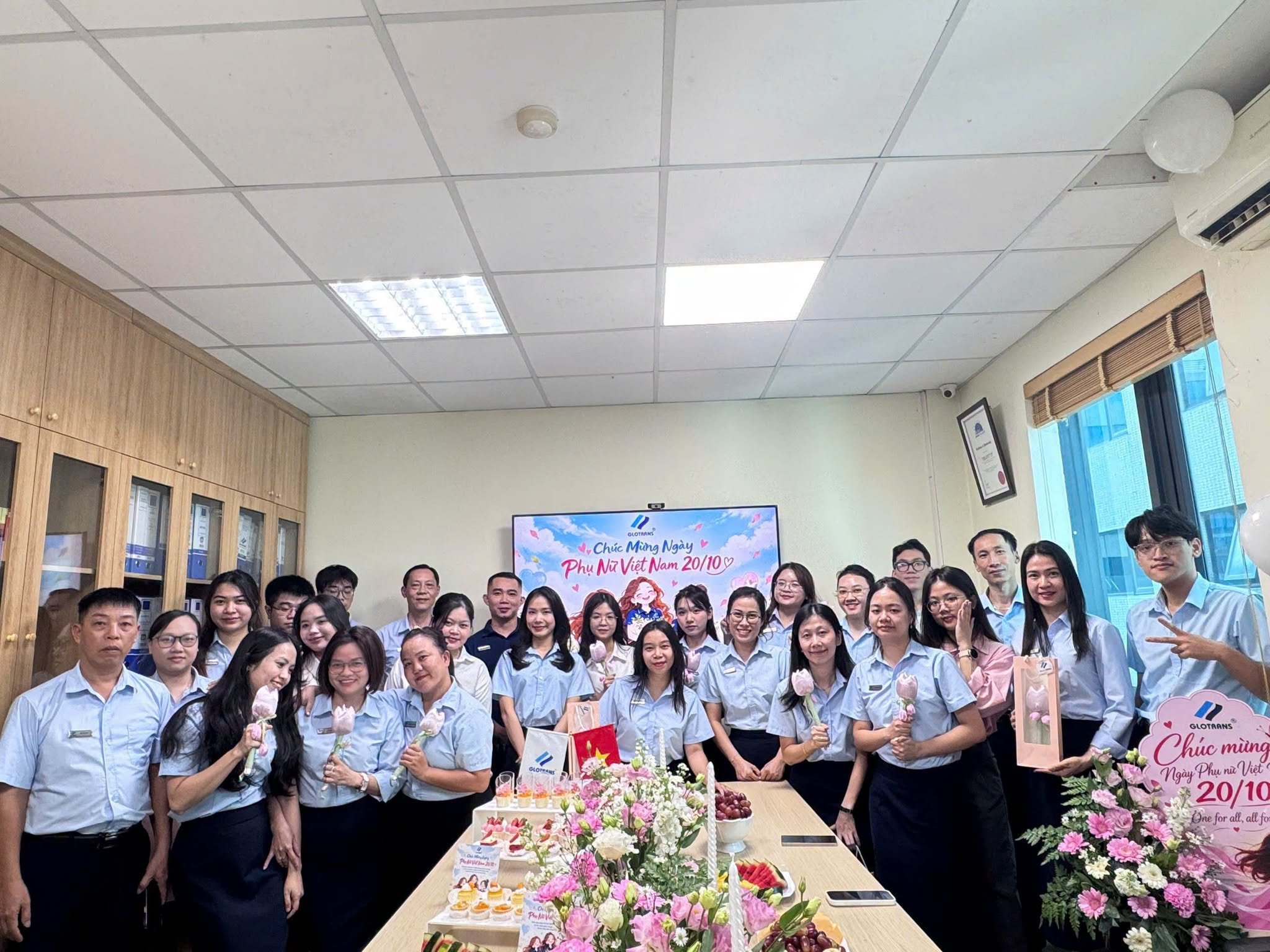
In celebration of Vietnamese Women’s Day on October 20, Glotrans branches across the entire system have organized meaningful activities, creating a warm, joyful atmosphere and many memorable moments for female employees.
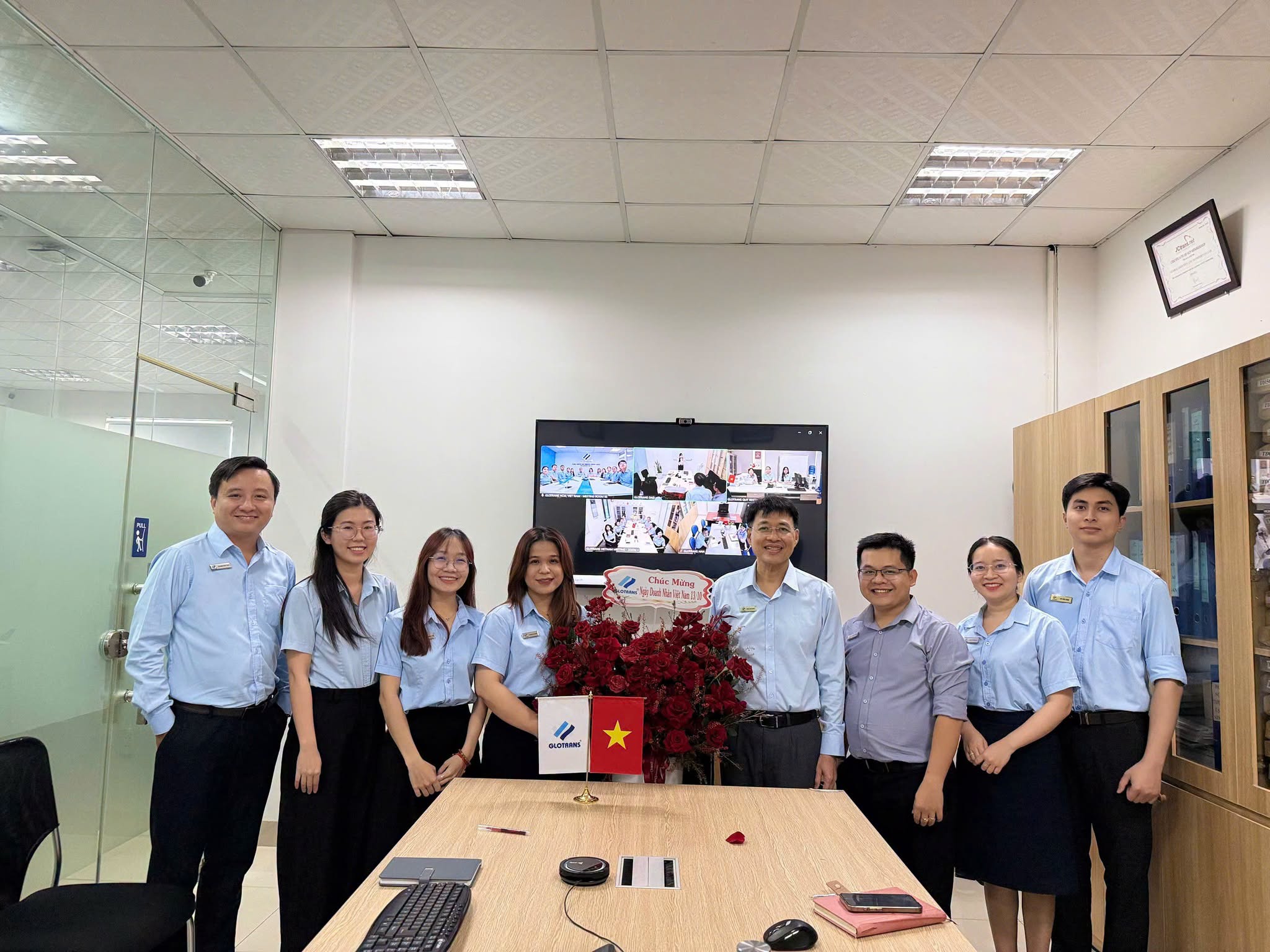
Vietnamese Entrepreneurs’ Day, celebrated on October 13, is an occasion to honor the contributions of the business community to the country’s economic development, while recognizing the resilience, innovative spirit, and ambition of those who lead businesses forward
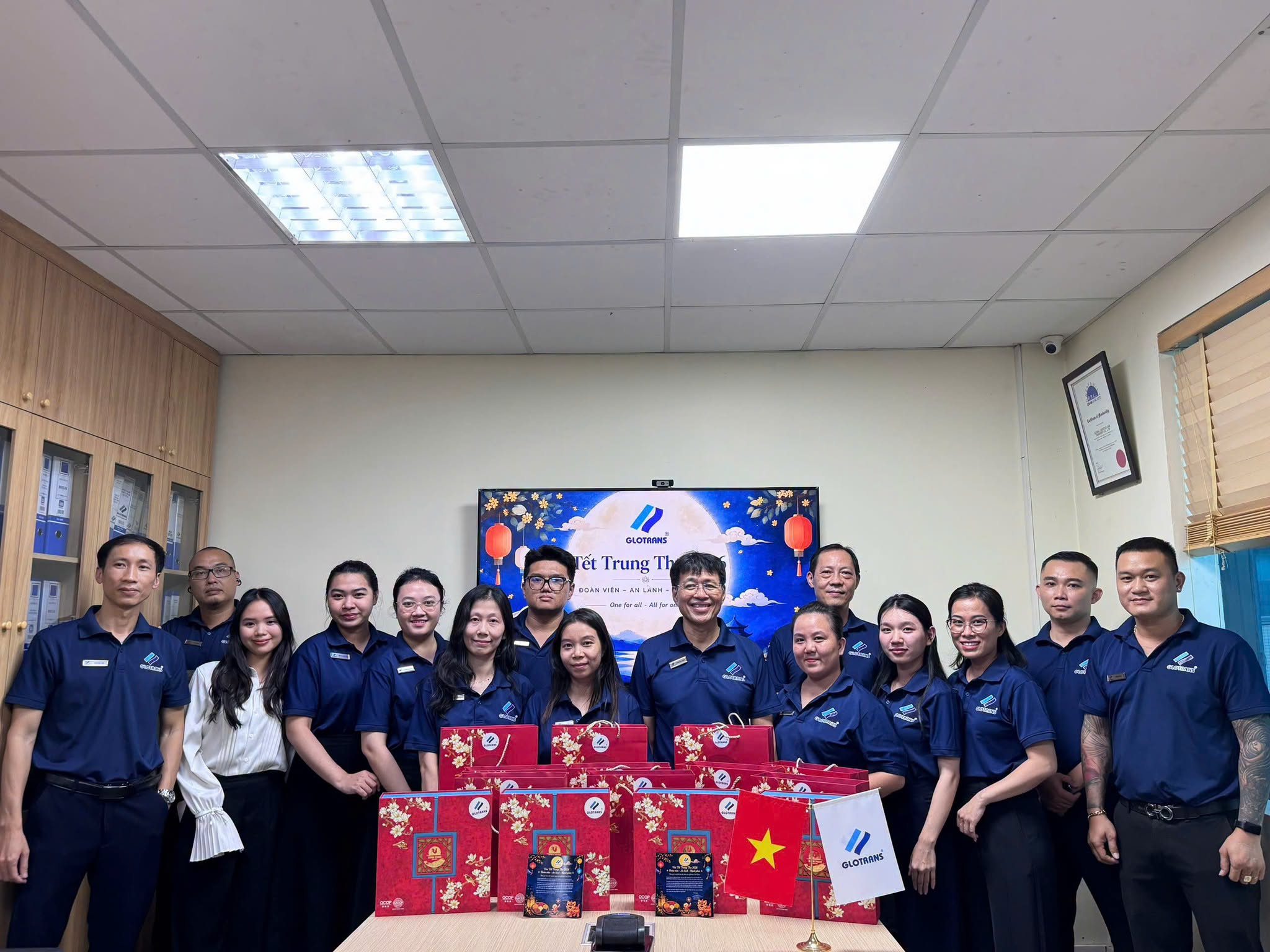
The Mid-Autumn Festival is not only a time for family reunions, but also a special occasion to share love, send warm wishes, and enjoy meaningful moments with our beloved colleagues.
The shipment of food additives was transported in container No. FCIU3301688 (20’), under B/L MPRSMUM1806, on the voyage from Nhavasheva Port (India) to Dinh Vu Port (Hai Phong, Vietnam) on 29/04/2017.
Company T (Plaintiff – the Insured) entered into an insurance contract with Company B (Defendant – the Insurer). After the insured event occurred, the Insurer alleged that the Insured had violated its obligation to prevent and mitigate losses. The Arbitral Tribunal acknowledged that such an obligation exists but concluded that the Insured did not breach it.
Under the insurance contract, the premium was to be paid in three installments, and in all three, the insured party was late in payment. When a dispute arose, the insurer (Defendant) argued that the insurance contract had terminated before the insured event occurred due to the late premium payment and therefore refused to make an insurance payout. However, the Arbitral Tribunal held a contrary view.