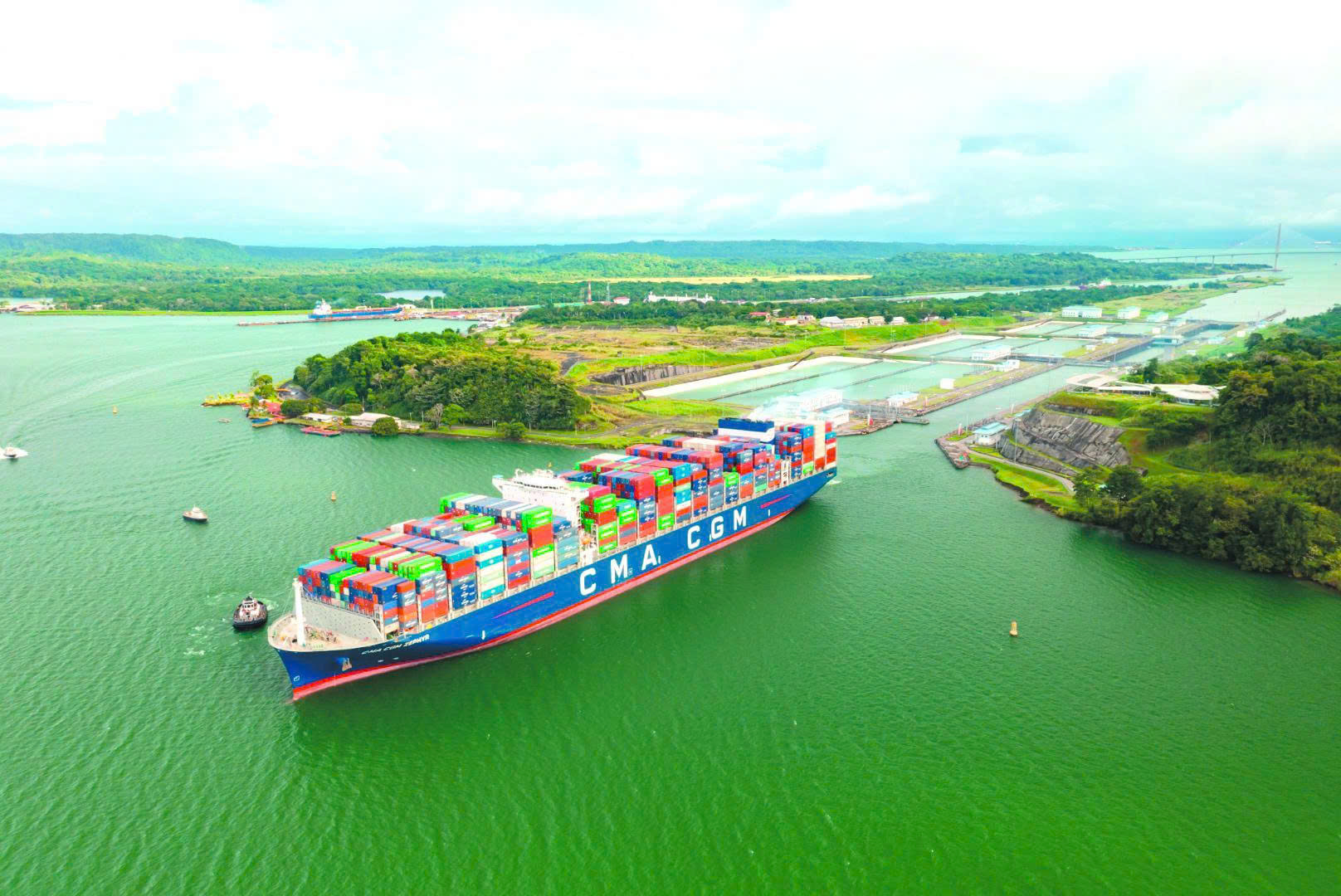
PANAMA CANAL TO FURTHER REDUCE DRAFT LIMIT FOR NEOPANAMAX VESSELS
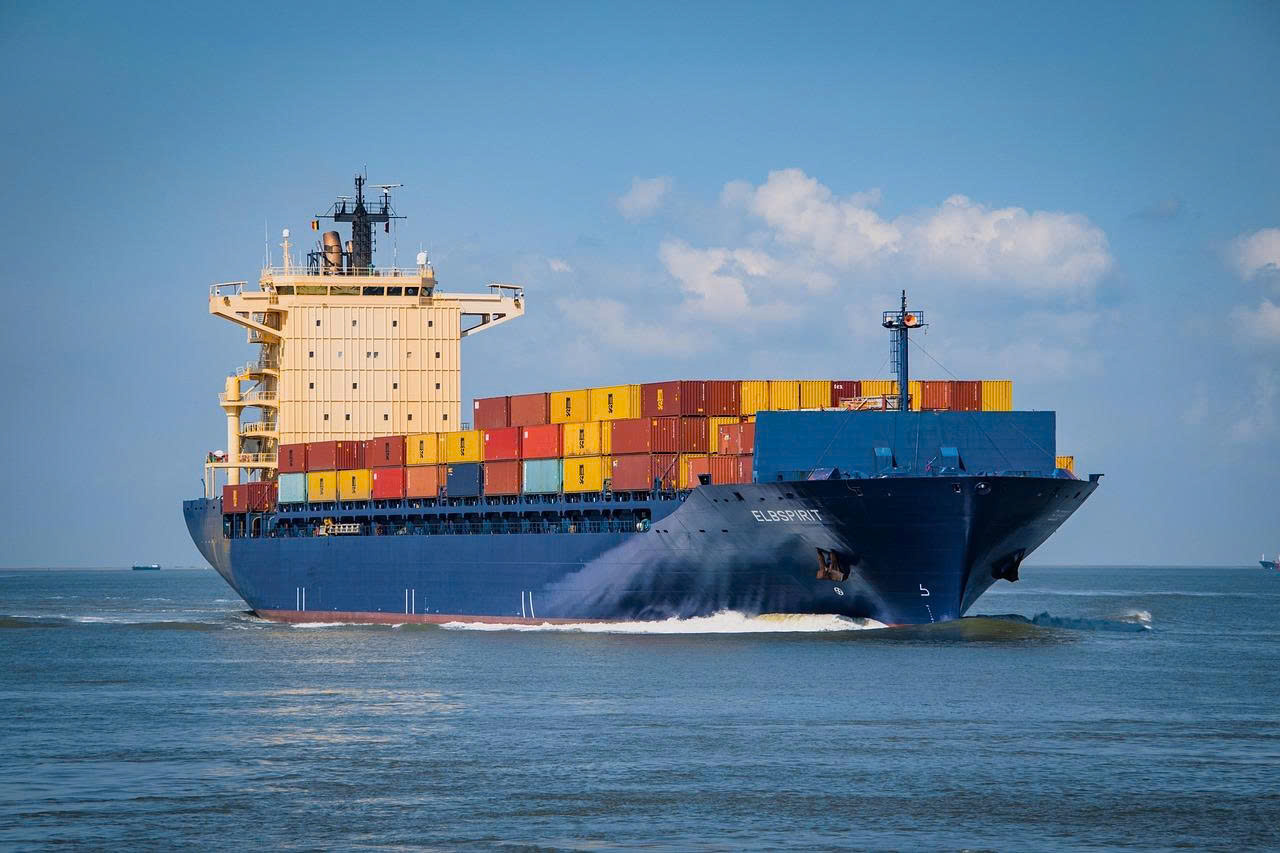
The Panama Canal will further reduce the maximum allowable draft for Neopanamax vessels from late August 2026 as water levels in Gatun Lake continue to decline.
It is as China’s second-busiest container port, Ningbo port, is now on “yellow alert” after some Covid-19 cases were found. If Ningbo port, which was locked down last August, is locked down again, and with Shanghai continuing to be closed off for the third week, logistical bottlenecks will be further exacerbated.
As of 11 April, Ningbo had 11 new Covid-19 cases, with a seven-day average of 13 infections. Meanwhile, Shanghai reported 23,342 Covid-19 infections on 11 April as China faces its worst outbreak since the pandemic began in Wuhan in December 2019, with over 165,000 infections now.

UK logistics company Woodland Group has cautioned that warehouses in Ningbo’s Beilun port area are full, as cargoes from Shanghai are being diverted there.
It said, “Space is tight and there is a lack of 40' & 40HC equipment. Meanwhile, in the North, many factories in Qingdao are still closed with bookings postponed or cancelled and blank sailings increasing throughout April.”
Linerlytica analyst Tan Hua Joo told Container News that part of Shanghai's cargoes have been diverted to Ningbo since the lockdown.
He said, “If Ningbo is also locked down, then these volumes will have no viable alternatives so it would have a big impact on the supply chain for both exports and imports in the Jiangsu and Zhejiang regions.”
In an advisory issued on 11 April, Maersk Line said that several ships will be omitting Shanghai.
The Danish group said, “Due to the impact of the lockdown, we have seen an increased yard density for dangerous goods and reefer containers in Shanghai terminals. We recommend customers, when possible, ship or divert the cargo to other Chinese destinations or other markets in order to avoid the congested port. There is a possibility that cargo arriving in Shanghai is being diverted to alternative locations.”
Maersk Line added that its trucking service from/to Shanghai will be further impacted due to the lockdown, but it can provide multi-modal services between Shanghai and nearby cities, via barge or rail.
Woodland added that while Shanghai port is operating normally, trucking services across China are disrupted as drivers have to undergo mandatory Covid-19 tests, reducing trucking capacity and subjecting rates to continued increases.
French logistics company GEODIS advised that because of the substantial fall in exports from Shanghai, THE Alliance has cancelled at least 36 sailings to Shanghai, while the Ocean Alliance has also cancelled six sailings to-date.
Meanwhile, amid a new Covid-19 outbreak in Guangzhou, Shekou Container Terminals (SCCT) has suspended the import of frozen meat and seafood, according to an advisory issued by Hapag-Lloyd, which suggested that shippers divert cargoes to Yantian, China or Hong Kong.
Martina Li
Asia Correspondent
The Panama Canal will further reduce the maximum allowable draft for Neopanamax vessels from late August 2026 as water levels in Gatun Lake continue to decline.
In modern logistics, delays are no longer viewed as mere inconveniences. They can result in significant financial losses, including reduced revenue, dissatisfied customers, increased warehousing costs, disrupted production schedules, and damaged business reputation
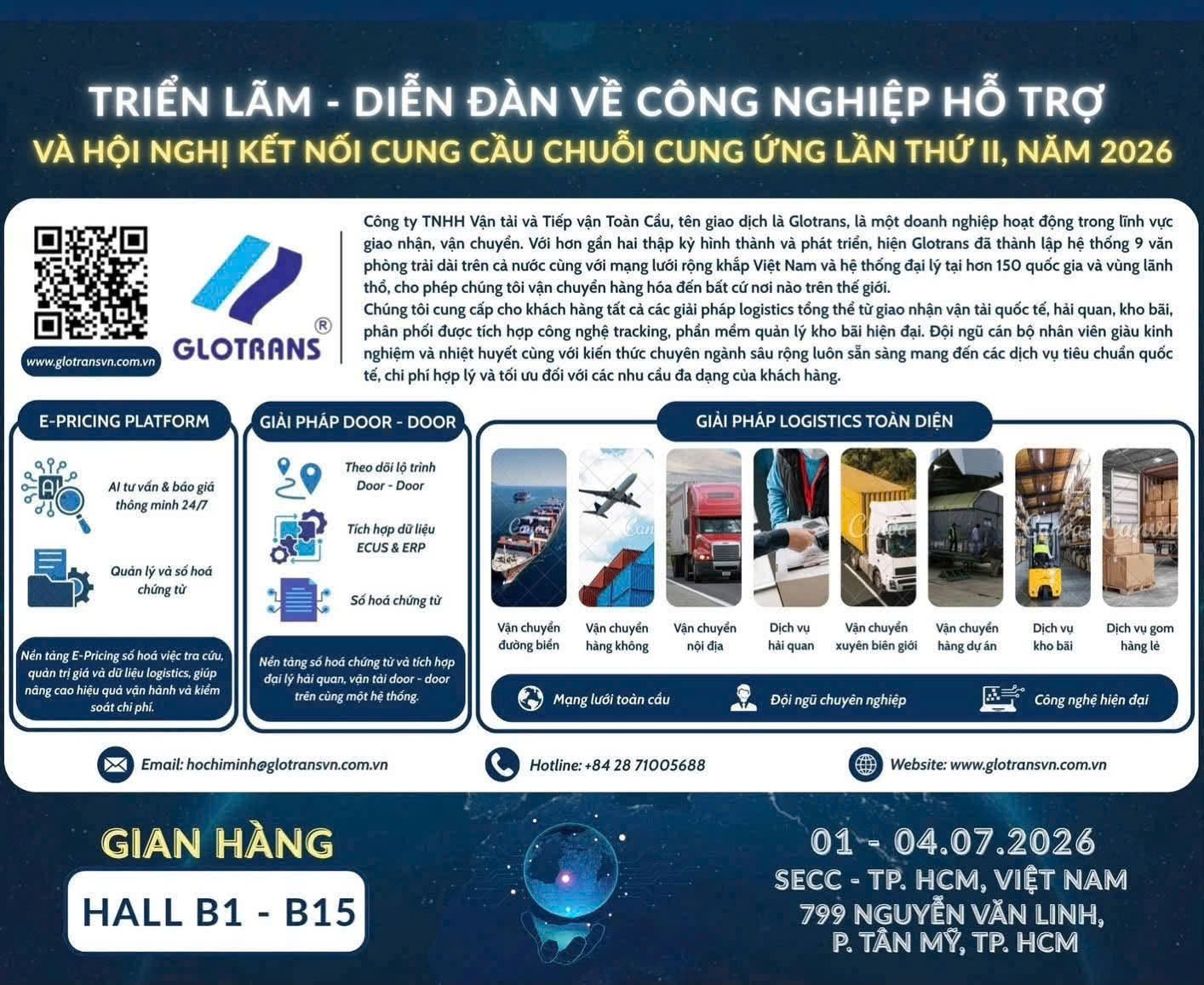
From July 1–4, 2026, Glotrans is participating in MTA Vietnam 2026, one of Vietnam's leading international exhibitions for precision engineering, manufacturing, and supporting industries, held at the Saigon Exhibition and Convention Center (SECC), Ho Chi Minh City.
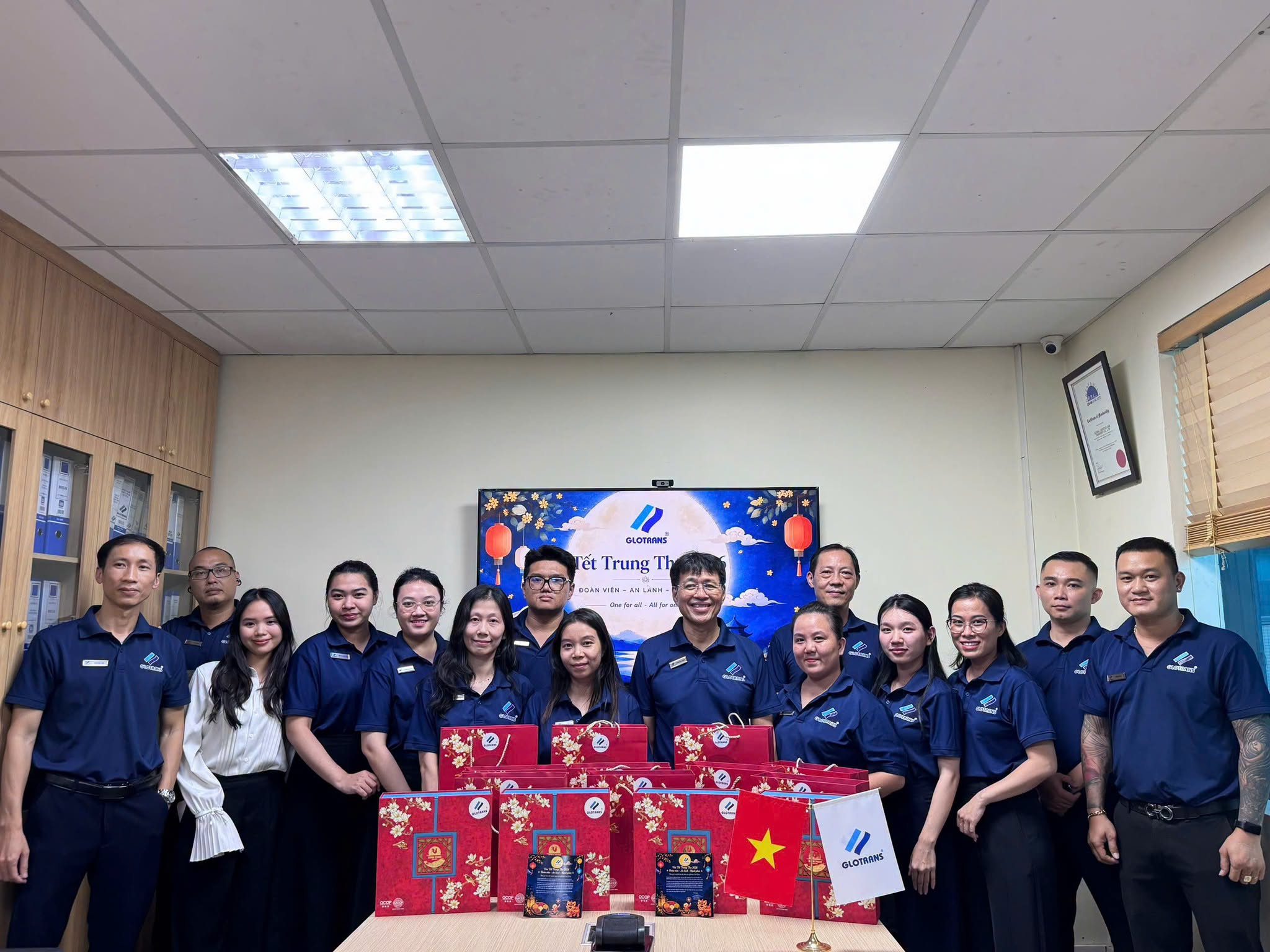
The Mid-Autumn Festival is not only a time for family reunions, but also a special occasion to share love, send warm wishes, and enjoy meaningful moments with our beloved colleagues.
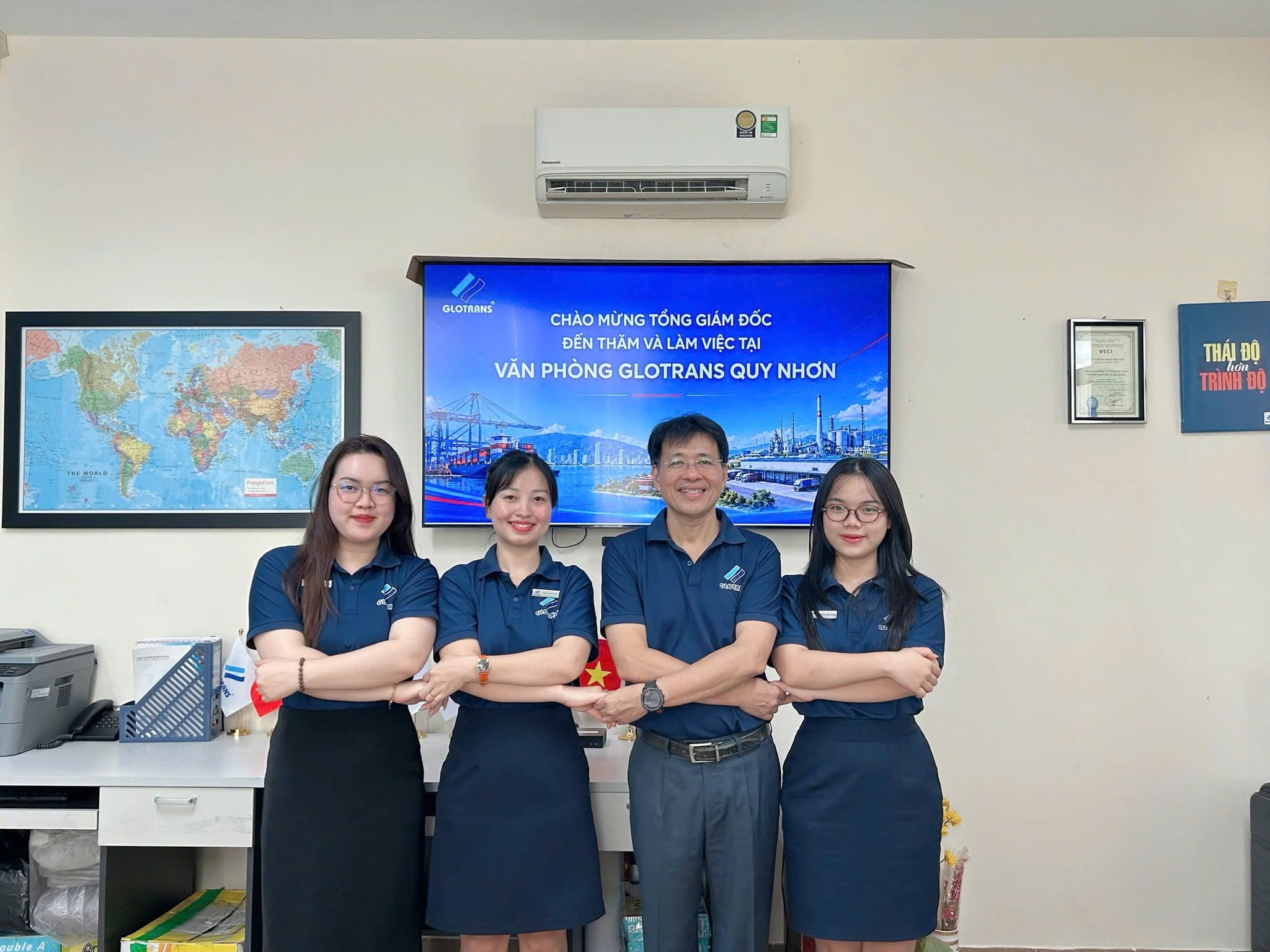
Over the past few days, GLOTRANS’s General Director has been traveling between offices, from Da Nang to Quy Nhon, to personally attend meetings reviewing the business performance of the first six months of the year, assess each office’s operations, and work with the teams to set goals for the next stage.
GLOTRANS would like to inform our Valued Customers and Partners of our holiday schedule for Vietnam’s National Day (2 September 2026) as follows:
The shipment of food additives was transported in container No. FCIU3301688 (20’), under B/L MPRSMUM1806, on the voyage from Nhavasheva Port (India) to Dinh Vu Port (Hai Phong, Vietnam) on 29/04/2017.
Company T (Plaintiff – the Insured) entered into an insurance contract with Company B (Defendant – the Insurer). After the insured event occurred, the Insurer alleged that the Insured had violated its obligation to prevent and mitigate losses. The Arbitral Tribunal acknowledged that such an obligation exists but concluded that the Insured did not breach it.
Under the insurance contract, the premium was to be paid in three installments, and in all three, the insured party was late in payment. When a dispute arose, the insurer (Defendant) argued that the insurance contract had terminated before the insured event occurred due to the late premium payment and therefore refused to make an insurance payout. However, the Arbitral Tribunal held a contrary view.