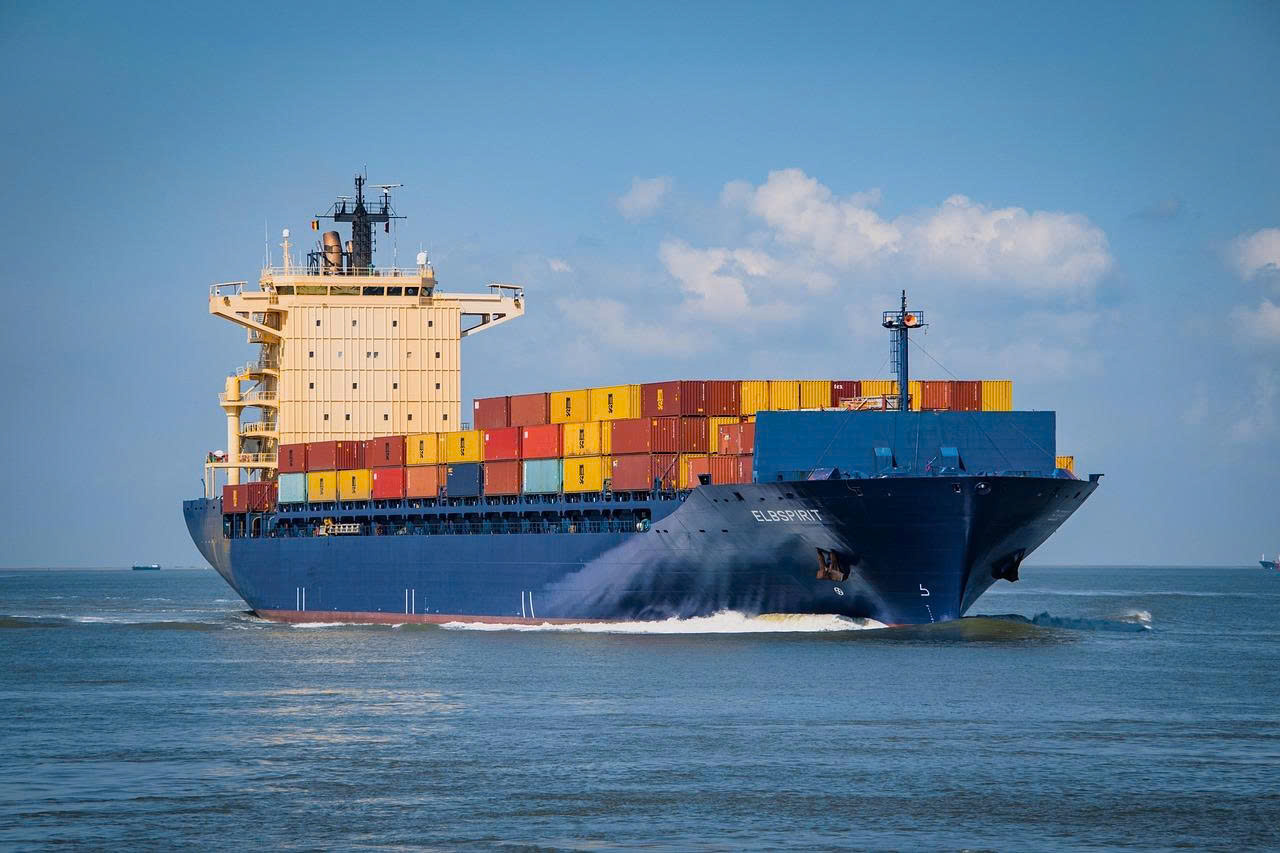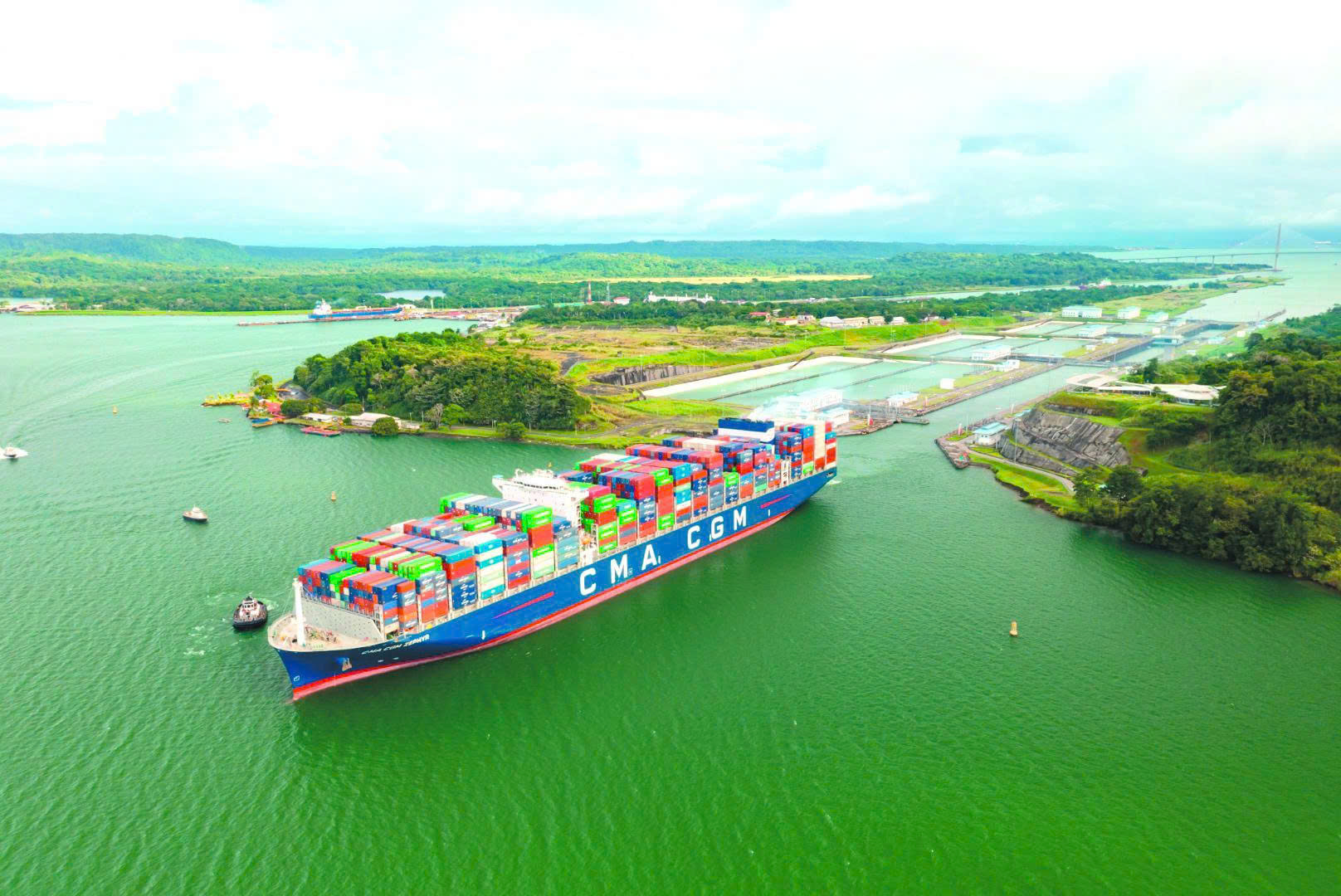
PANAMA CANAL TO FURTHER REDUCE DRAFT LIMIT FOR NEOPANAMAX VESSELS
The Panama Canal will further reduce the maximum allowable draft for Neopanamax vessels from late August 2026 as water levels in Gatun Lake continue to decline.
Vietnamese tuna is enjoying many advantages in the UK market thanks to tariff incentives from the UK - Vietnam Free Trade Agreement (UKVFTA).
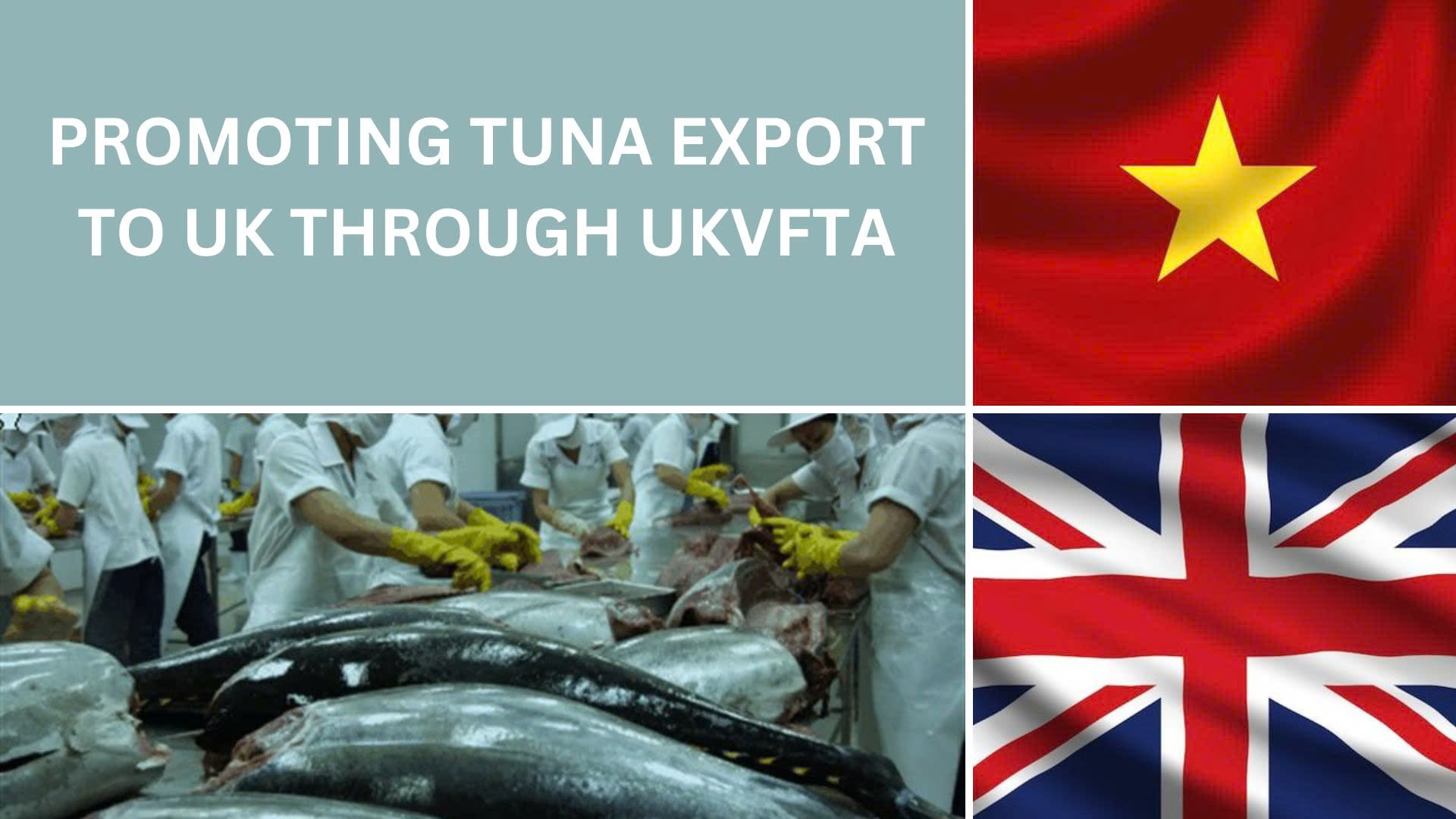
According to official figures from the Vietnam Association of Seafood Exporters and Producers (VASEP), after three consecutive months of decline, Vietnam's tuna exports to the UK have increased sharply, with export value to this highly profitable market soaring by 56% to US$742 million.
In the first half of the year, tuna exports to the UK market reached US$3.6 million, down 5% compared to the same period last year.
VASEP also reported that tuna is sold in many types of products in the UK market such as raw, processed, sushi, sauce, cakes or breaded. Of which, canned and packaged tuna products are often consumed the most. However, the consumption of this product group has been on a downward trend since last year.
However, according to the Import-Export Department, Vietnamese tuna is gaining an advantage in the UK market thanks to tariff incentives from the UKVFTA. According to the commitment in the UKVFTA, in terms of tariffs, this agreement has a mechanism to continue implementing the EU-Vietnam Free Trade Agreement (EVFTA), which means that import tariffs on fresh and frozen tuna products will be quickly eliminated.
The tariff rate for frozen tuna or fillets will be eliminated over a period of 3 years from 18% to 0%. For processed tuna used for canned tuna - the basic rate of 24% will be reduced over a 7-year schedule.
For canned and packaged tuna, the quota of 11,500 tons per year will be exempted from tariffs. After that, the original tariff rate of 20.5% will be applied, which will be reduced by 3.5% per year.
To enjoy tariff incentives, Vietnamese enterprises need to prove their origin. The regulations on Rules of Origin in the UKVFTA are similar to the EVFTA, with the origin criteria for raw and processed seafood in the UKVFTA being pure origin. This means that raw, semi-processed and processed seafood exported from Vietnam are considered to have origin under the UKVFTA Agreement when the seafood raw materials used in the production process are purely Vietnamese origin (born or raised, caught and processed entirely in Vietnam), and are not allowed to be imported from a third country outside the agreement.
Therefore, to promote tuna products to the UK market, according to experts, Vietnamese enterprises need to increase the application of science and technology, develop modern production and processing systems, thereby optimizing the production process to improve the quality and added value of products, helping Vietnamese seafood gradually reach international standards and create competitive advantages.
Source: Ministry of Industry and Trade
The Panama Canal will further reduce the maximum allowable draft for Neopanamax vessels from late August 2026 as water levels in Gatun Lake continue to decline.
In modern logistics, delays are no longer viewed as mere inconveniences. They can result in significant financial losses, including reduced revenue, dissatisfied customers, increased warehousing costs, disrupted production schedules, and damaged business reputation
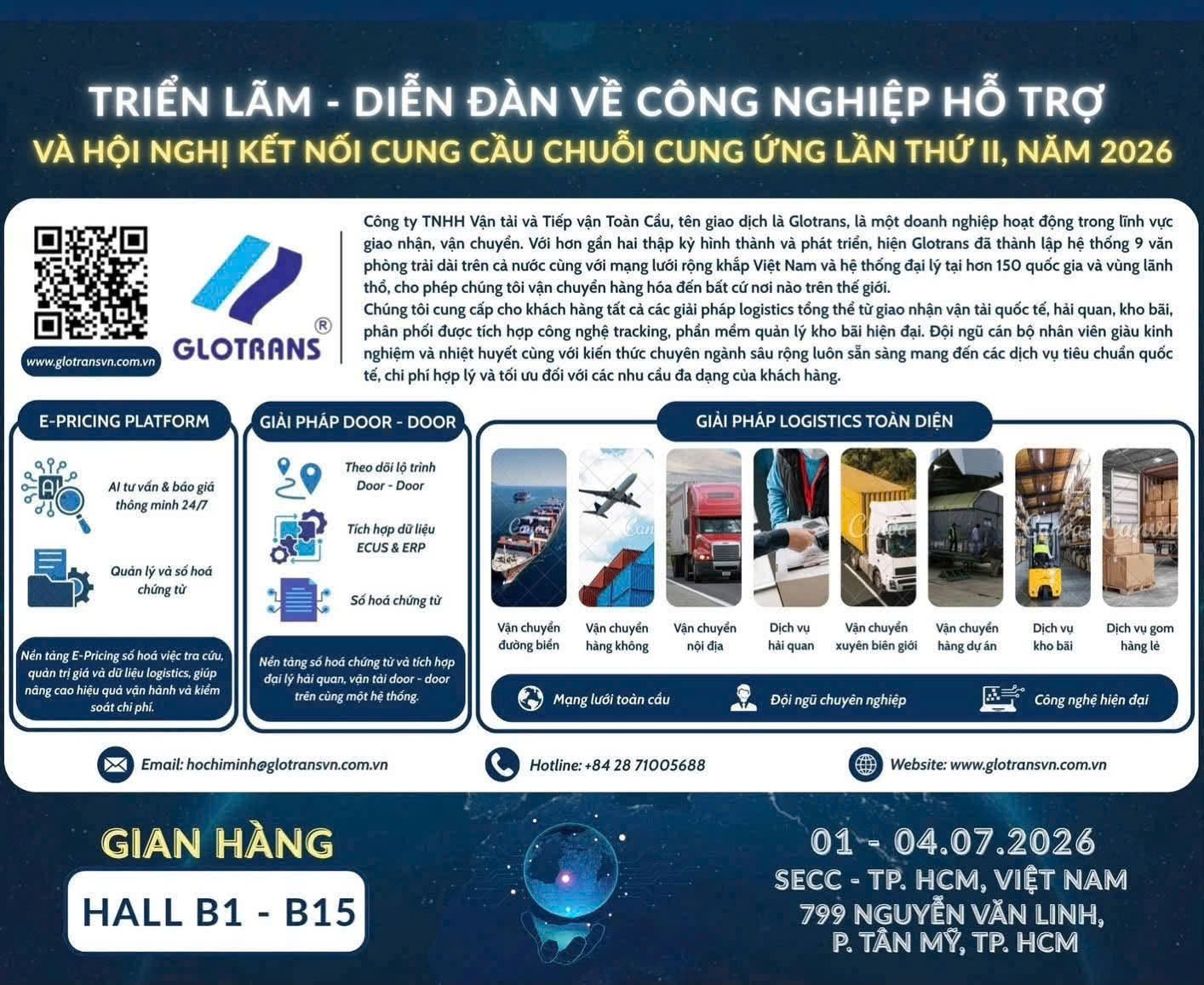
From July 1–4, 2026, Glotrans is participating in MTA Vietnam 2026, one of Vietnam's leading international exhibitions for precision engineering, manufacturing, and supporting industries, held at the Saigon Exhibition and Convention Center (SECC), Ho Chi Minh City.
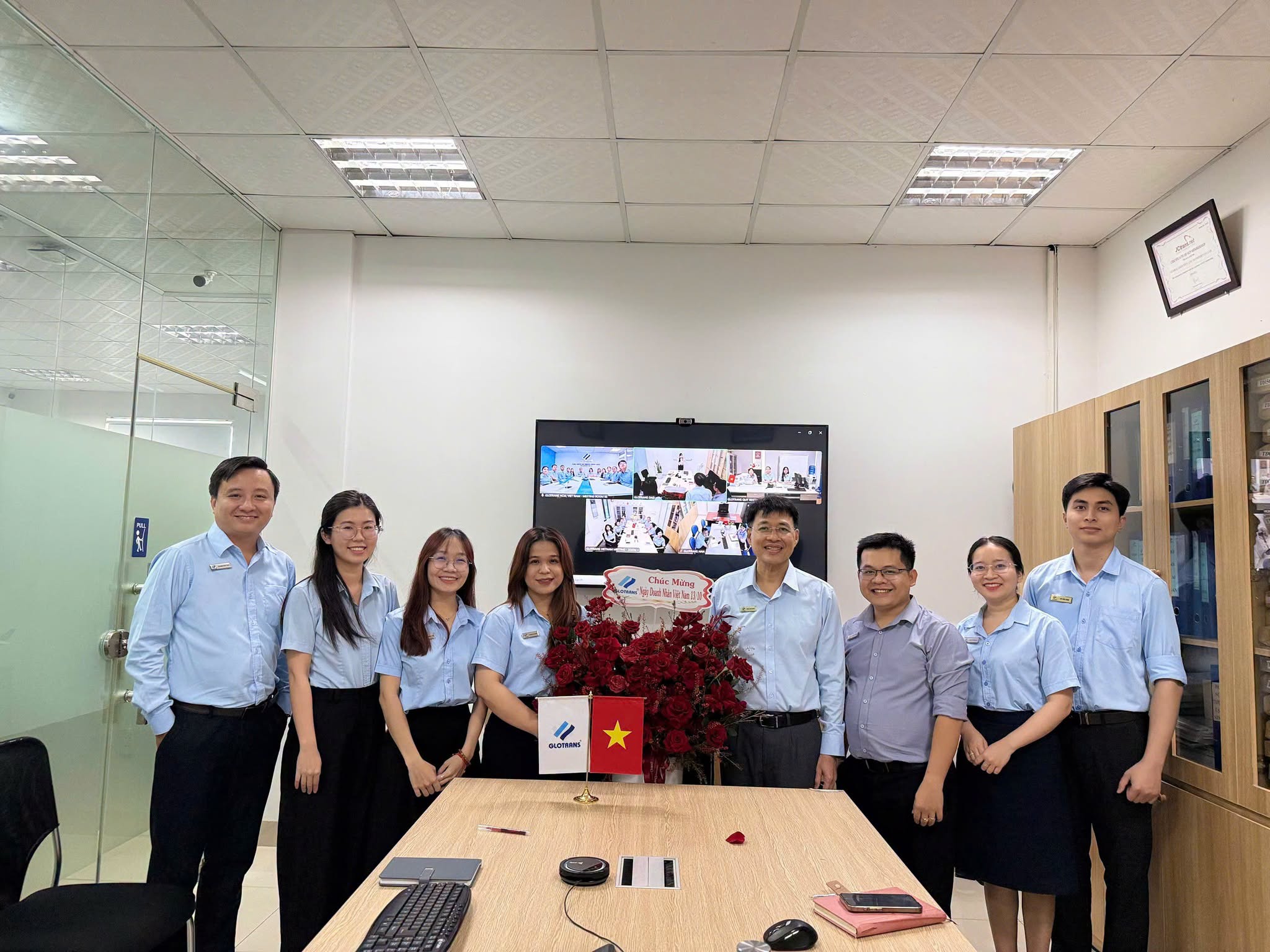
Vietnamese Entrepreneurs’ Day, celebrated on October 13, is an occasion to honor the contributions of the business community to the country’s economic development, while recognizing the resilience, innovative spirit, and ambition of those who lead businesses forward
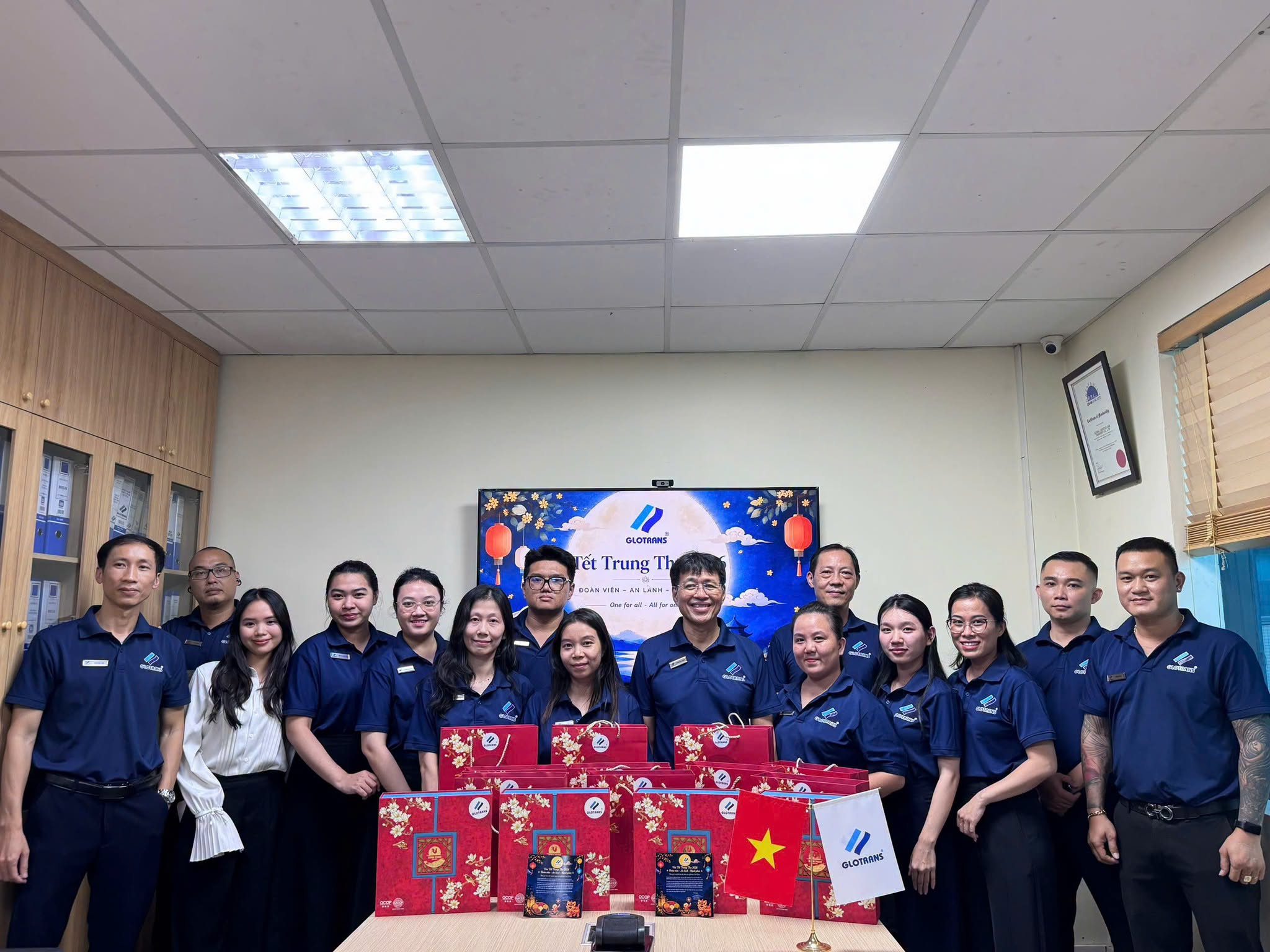
The Mid-Autumn Festival is not only a time for family reunions, but also a special occasion to share love, send warm wishes, and enjoy meaningful moments with our beloved colleagues.
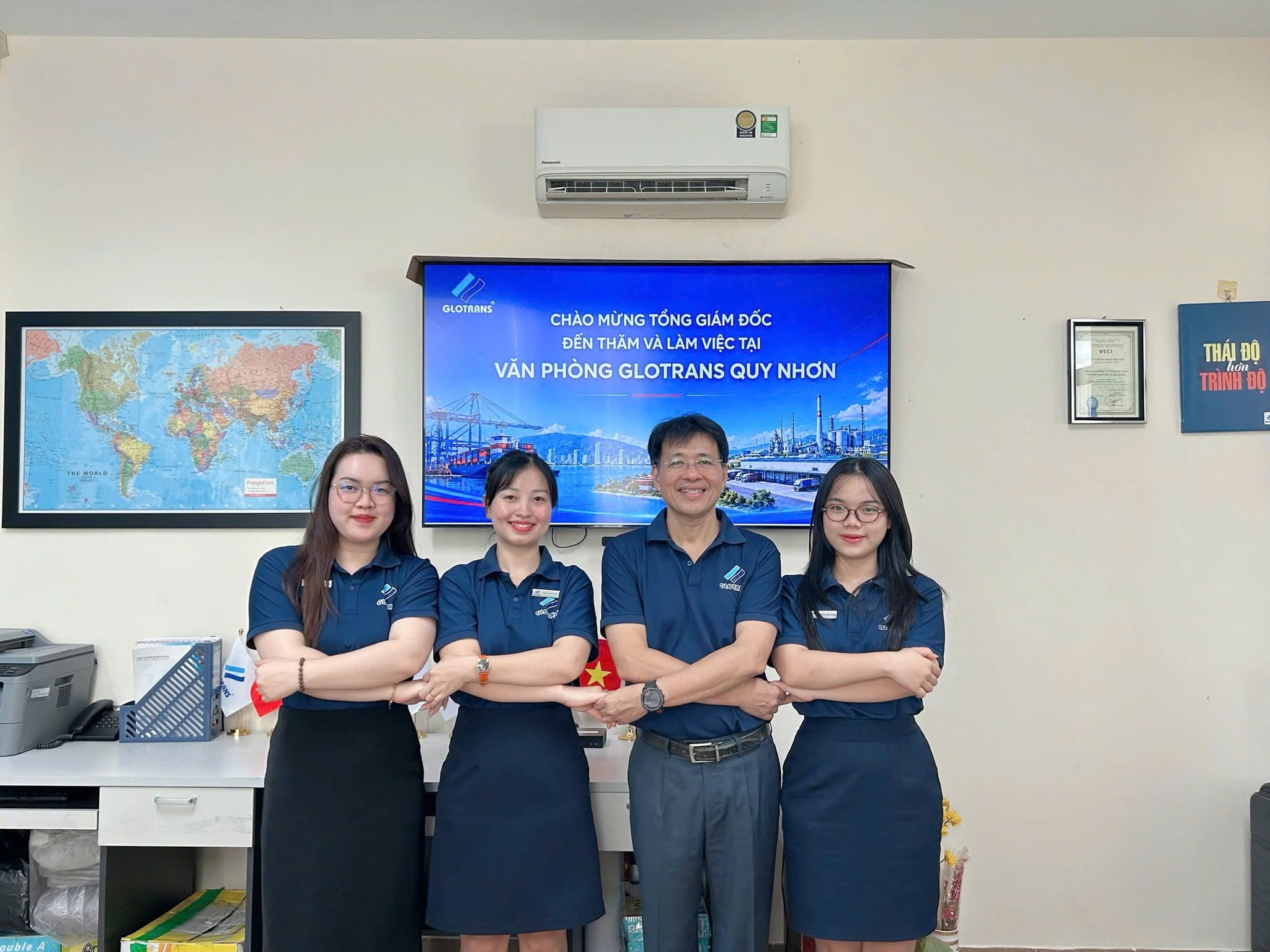
Over the past few days, GLOTRANS’s General Director has been traveling between offices, from Da Nang to Quy Nhon, to personally attend meetings reviewing the business performance of the first six months of the year, assess each office’s operations, and work with the teams to set goals for the next stage.
The shipment of food additives was transported in container No. FCIU3301688 (20’), under B/L MPRSMUM1806, on the voyage from Nhavasheva Port (India) to Dinh Vu Port (Hai Phong, Vietnam) on 29/04/2017.
Company T (Plaintiff – the Insured) entered into an insurance contract with Company B (Defendant – the Insurer). After the insured event occurred, the Insurer alleged that the Insured had violated its obligation to prevent and mitigate losses. The Arbitral Tribunal acknowledged that such an obligation exists but concluded that the Insured did not breach it.
Under the insurance contract, the premium was to be paid in three installments, and in all three, the insured party was late in payment. When a dispute arose, the insurer (Defendant) argued that the insurance contract had terminated before the insured event occurred due to the late premium payment and therefore refused to make an insurance payout. However, the Arbitral Tribunal held a contrary view.