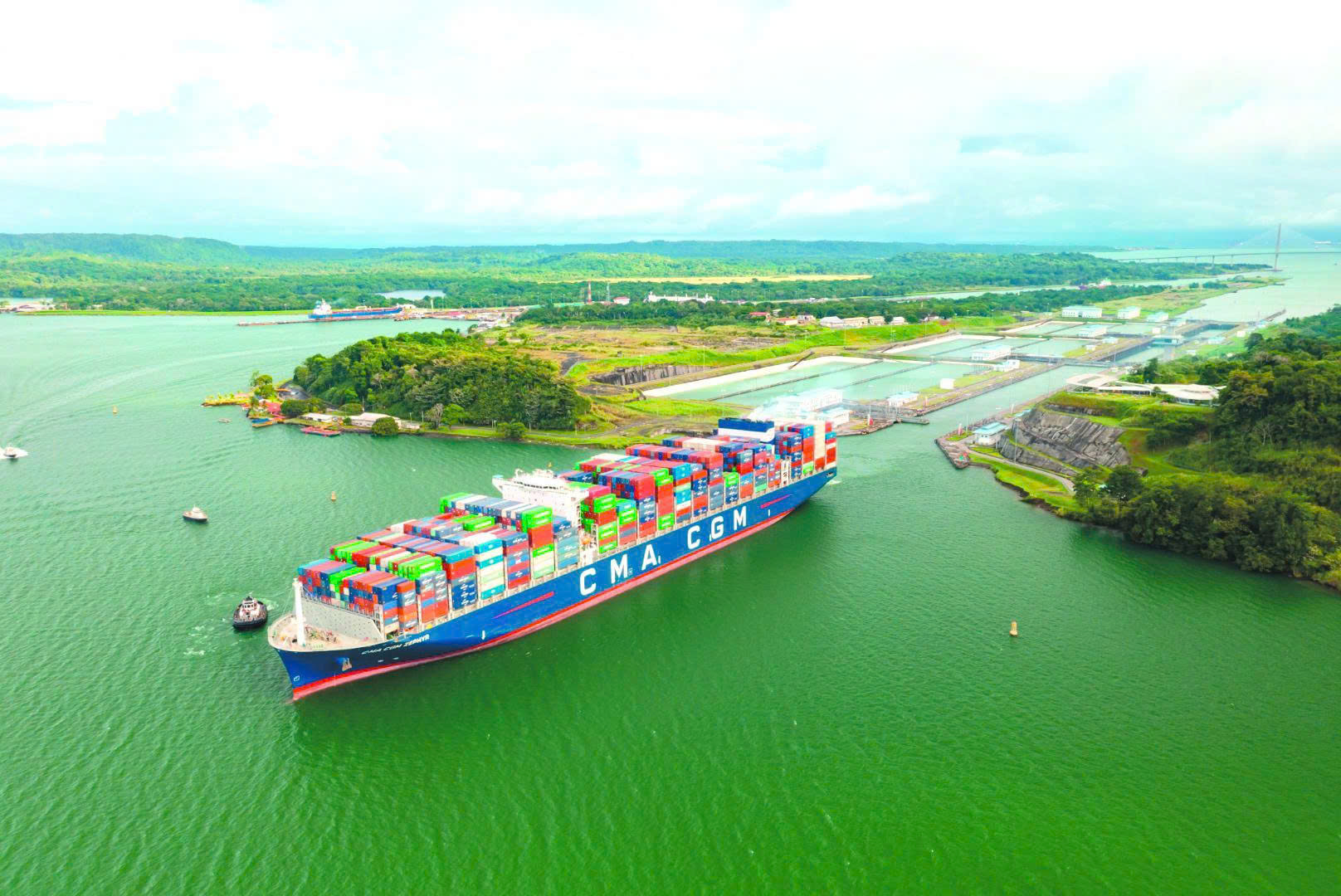
PANAMA CANAL TO FURTHER REDUCE DRAFT LIMIT FOR NEOPANAMAX VESSELS
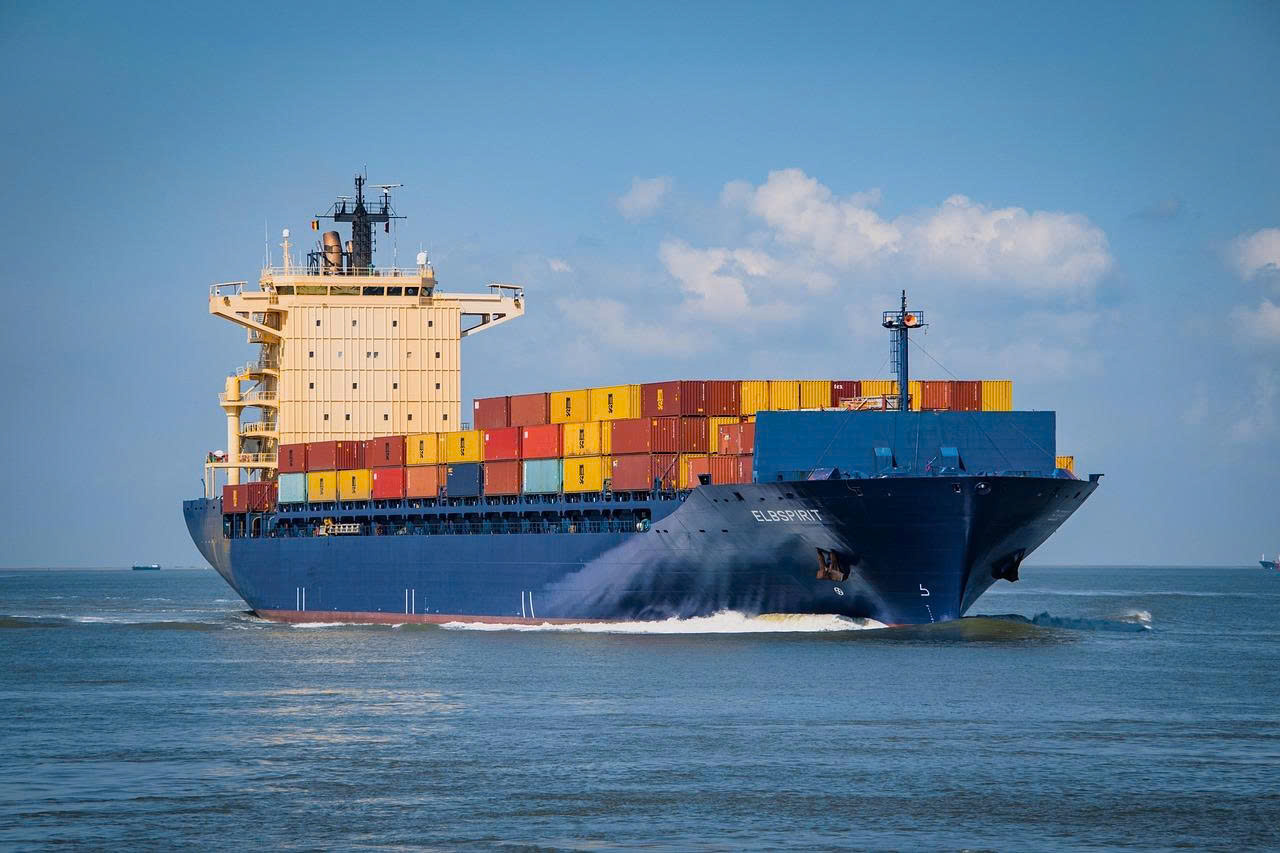
The Panama Canal will further reduce the maximum allowable draft for Neopanamax vessels from late August 2026 as water levels in Gatun Lake continue to decline.
Annual contracts are being negotiated between shippers and container shipping lines on the trans-Pacific shipping route. ZIM warns if rates are too low, the carrier will stop shipping.

Spot container freight rates have plummeted from a record high, and ZIM's average freight rates fell 42% year-on-year to $2,122/TEU. Spot rates are down from a year ago and Drewry's World Container Index (WCI) for the week ended March 9 stood at $1,806 a foot, 80% lower than the same period last year.
On that basis, ZIM and other container shipping lines are currently negotiating contract prices on the trans-Pacific route from Asia to the US. In a recent discussion of ZIM's Q4 2022 results, Xavier Destriau, CFO and Executive Vice President of ZIM, described the current situation as "unique" like like the moving picture of a pendulum, in which the unusual market situation of the past two years has now moved “very strongly in the opposite direction”.
“I think both shippers and carriers know that there is a space in between that is a natural equilibrium that we should all be aiming for,” he said. However, if this does not happen and shippers insist on extremely low rates, there is a warning of a serious impact on service levels."
“Otherwise, the disruption could also affect shippers. If we do not receive a price that we believe is reasonable to continue shipping, we will stop shipping, and then if we stop shipping that may have a stronger impact on our ability to ship. secure the supply chain of their customers,” warned Destriau.
As the negotiations are going on now and ZIM has contracted most of its customers both in terms of quantity and price, and Destriau has given a positive picture of those negotiations.
“What we heard today from our customers is that they are very satisfied with ZIM and we have received a lot of positive feedback and comments about us being the first shipping line to launch the service. LNG [Fueled] on the Asia route to the US east coast. And that resonates very strongly with our customers,” he said.
“So now we hope that it translates into final negotiations on rates at a level that both shippers and we are happy with.”
ZIM is looking at a split ratio of about 50-50 between contract and spot commodities, but the final rate will depend on where negotiations end with customers. “If rates are not satisfactory to us, we may reconsider that percentage allocation and agree to more exposure to the spot market. We think the second half will be better than the first."
On the outcome of the negotiations, Destriau said: “It is still a few weeks before we finalize the negotiations on the freight contract whether we will end up above, below, close to the price. immediate delivery, it remains to be seen.”
The Panama Canal will further reduce the maximum allowable draft for Neopanamax vessels from late August 2026 as water levels in Gatun Lake continue to decline.
In modern logistics, delays are no longer viewed as mere inconveniences. They can result in significant financial losses, including reduced revenue, dissatisfied customers, increased warehousing costs, disrupted production schedules, and damaged business reputation
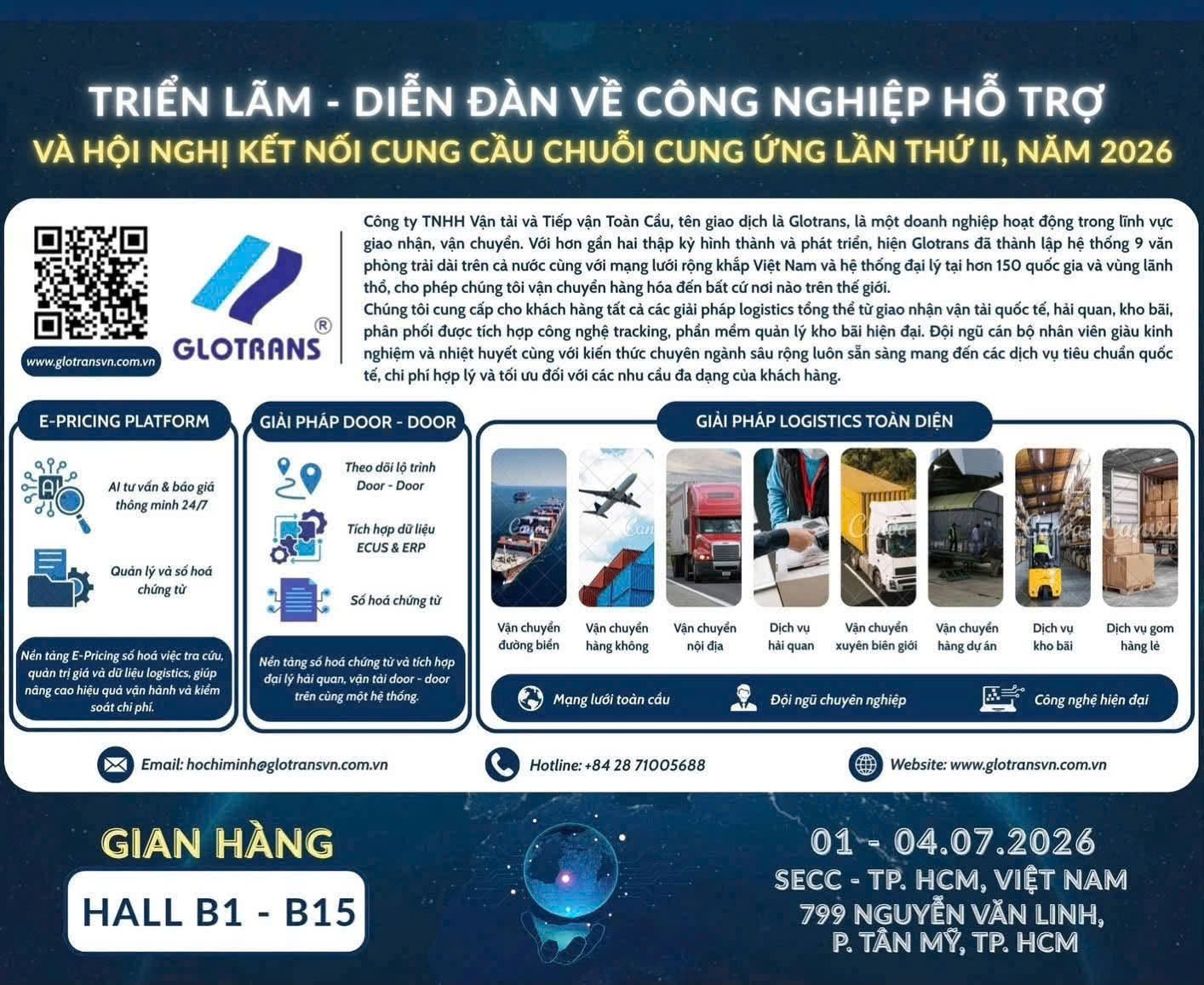
From July 1–4, 2026, Glotrans is participating in MTA Vietnam 2026, one of Vietnam's leading international exhibitions for precision engineering, manufacturing, and supporting industries, held at the Saigon Exhibition and Convention Center (SECC), Ho Chi Minh City.
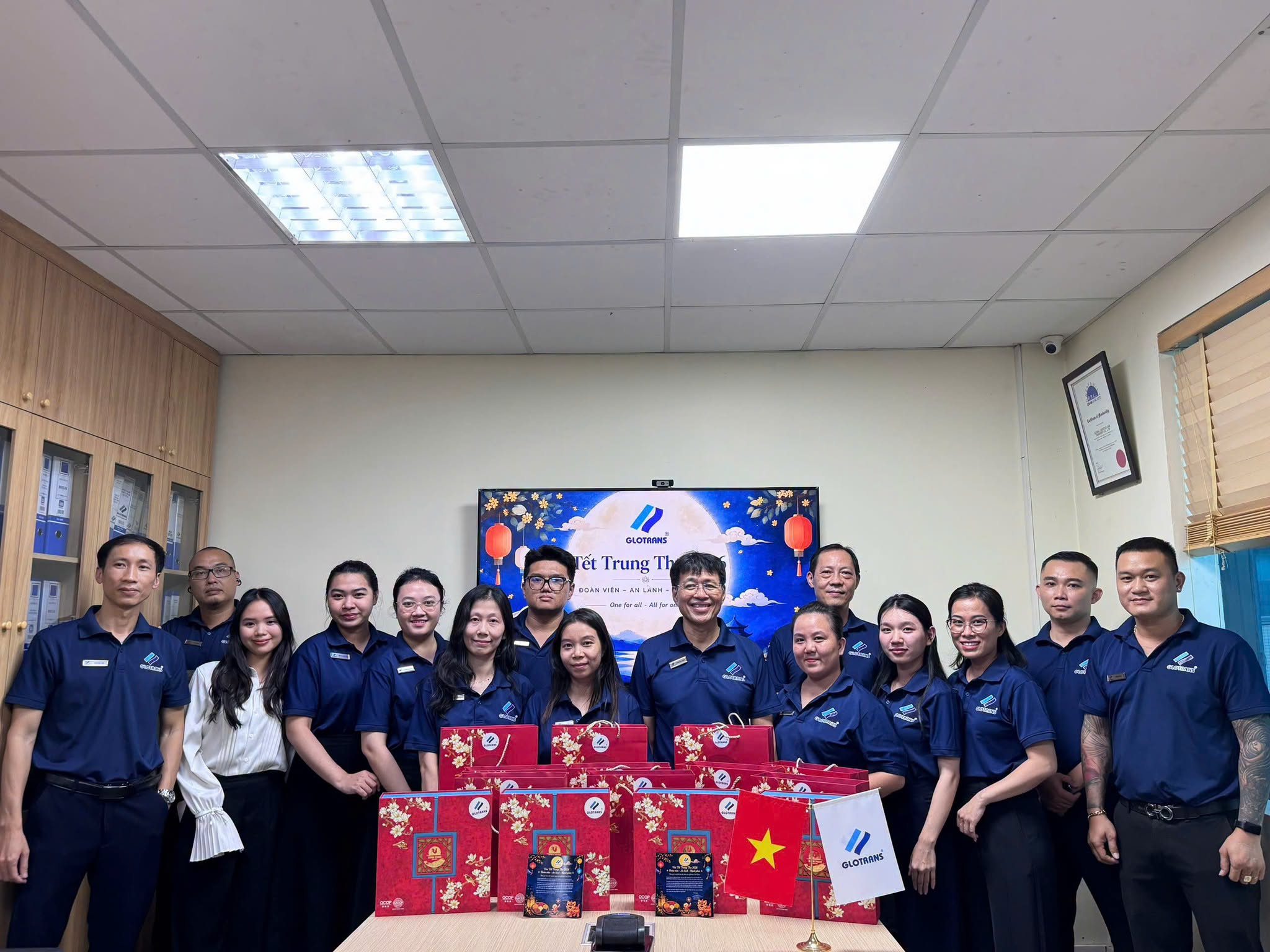
The Mid-Autumn Festival is not only a time for family reunions, but also a special occasion to share love, send warm wishes, and enjoy meaningful moments with our beloved colleagues.
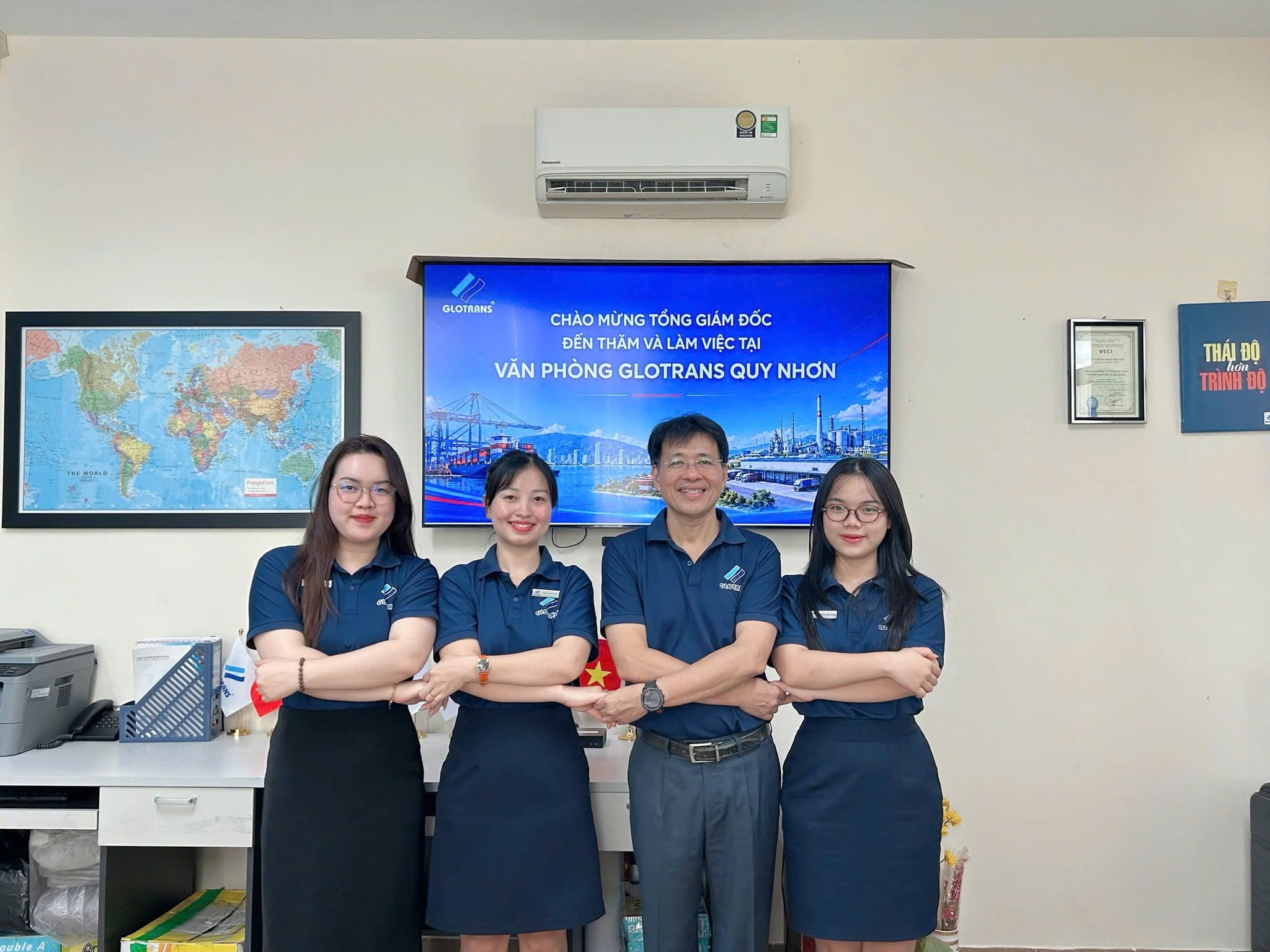
Over the past few days, GLOTRANS’s General Director has been traveling between offices, from Da Nang to Quy Nhon, to personally attend meetings reviewing the business performance of the first six months of the year, assess each office’s operations, and work with the teams to set goals for the next stage.
GLOTRANS would like to inform our Valued Customers and Partners of our holiday schedule for Vietnam’s National Day (2 September 2026) as follows:
The shipment of food additives was transported in container No. FCIU3301688 (20’), under B/L MPRSMUM1806, on the voyage from Nhavasheva Port (India) to Dinh Vu Port (Hai Phong, Vietnam) on 29/04/2017.
Company T (Plaintiff – the Insured) entered into an insurance contract with Company B (Defendant – the Insurer). After the insured event occurred, the Insurer alleged that the Insured had violated its obligation to prevent and mitigate losses. The Arbitral Tribunal acknowledged that such an obligation exists but concluded that the Insured did not breach it.
Under the insurance contract, the premium was to be paid in three installments, and in all three, the insured party was late in payment. When a dispute arose, the insurer (Defendant) argued that the insurance contract had terminated before the insured event occurred due to the late premium payment and therefore refused to make an insurance payout. However, the Arbitral Tribunal held a contrary view.