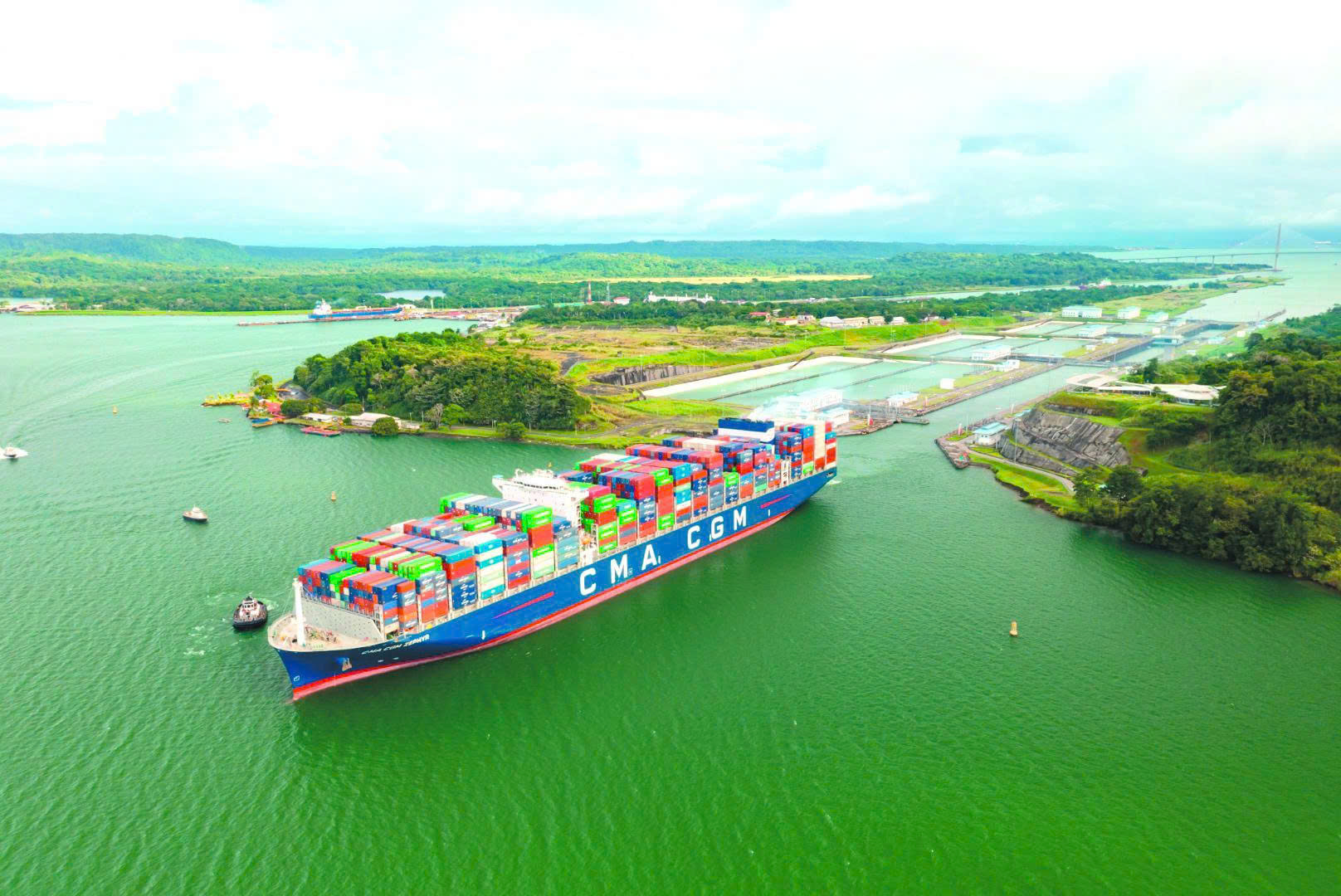
PANAMA CANAL TO FURTHER REDUCE DRAFT LIMIT FOR NEOPANAMAX VESSELS
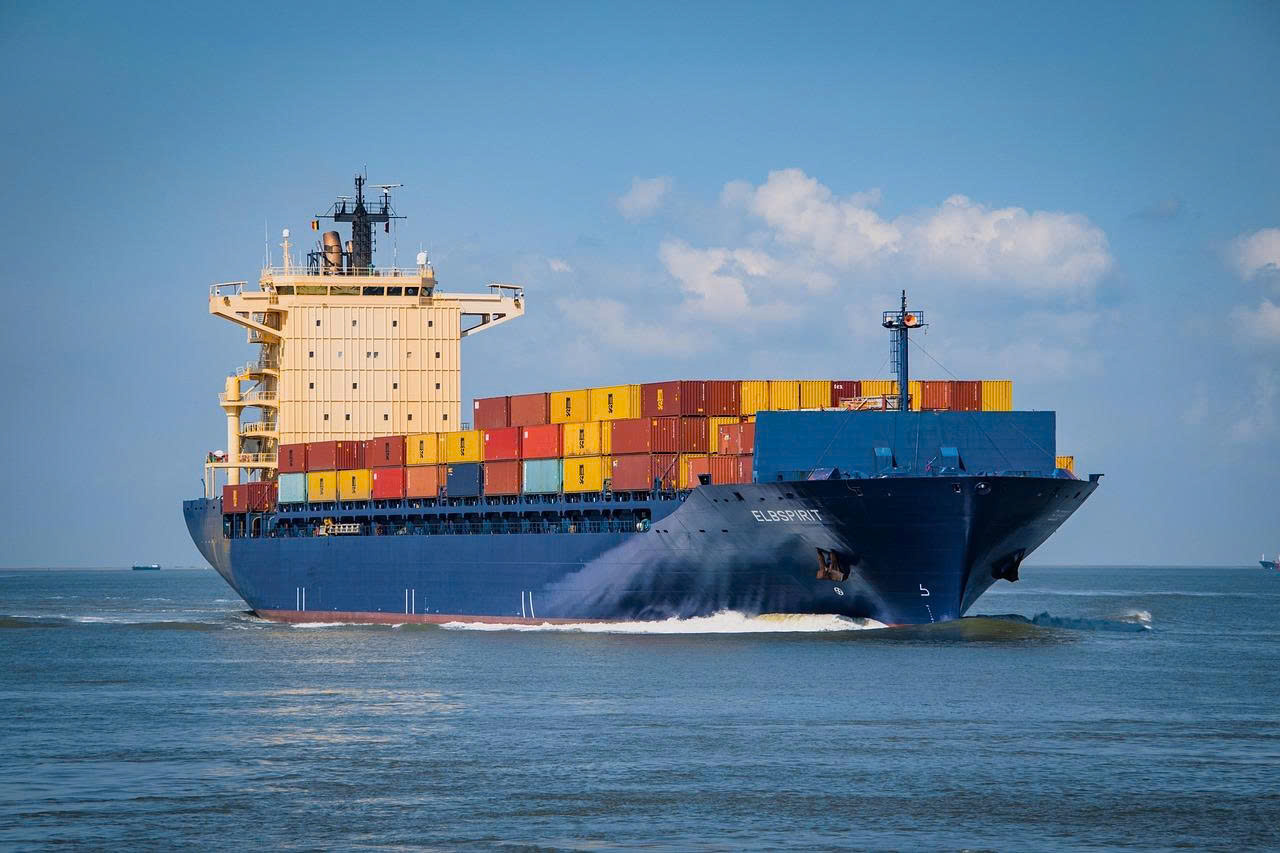
The Panama Canal will further reduce the maximum allowable draft for Neopanamax vessels from late August 2026 as water levels in Gatun Lake continue to decline.
China's determination to pursue the "zero Covid" strategy is posing an obstacle to the recovery of the shipping industry.
In an effort to stamp out the infection, China maintains a ban on crew substitutions for foreign crews when ships docked in China. Recently, China also introduced a mandatory 7-week quarantine for Chinese sailors returning home. Even the Chinese crews who had been replaced elsewhere had to wait two weeks before being allowed to disembark.

To comply with these regulations, shipowners and ship managers have had to divert vessels, delay deliveries and change crews, further intensifying the global supply chain crisis. "China's restrictions are having a pervasive effect," said Guy Platten, secretary-general of the International Shipping Council (ICS), an organization representing ship owners and ship operators worldwide demand, said in an interview with Bloomberg. “Any restriction on vessel operations affects the supply chain and leads to real disruption.”
To date, the shipping industry has generally absorbed the increased costs, thanks to container freight rates that are among the highest in history due to strong demand, limited capacity, and congestion at ports. port. For the weekend ending Nov. 18, the freight rate for a 40-foot container was $9,146, a six-fold increase from the five-year average through 2019. Tanker and dry bulk carrier freight rates also increased similarly.
The shipping lines also acknowledge that they respond to China's restrictions by shifting the burden on the crews working on the ships. Chinese authorities do not allow more than three Chinese sailors to board the same flight to the mainland, so the journey home for Chinese sailors can last for months after they have completed their duties. service and got off the ship,” said Mr. Hojgaard.
Chinese officials recently continued to defend the country's anti-Covid strategy and signaled that it would not ease regulations anytime soon. Meanwhile, the supply chain disruption in the shipping industry shows no sign of abating. According to a survey conducted by Oxford Economics of 148 businesses between October 18-29, nearly 80% said they expect the supply chain crisis to worsen.
"China is determined to eliminate Covid and will not ease restrictions anytime soon," said Mr. Zhang of Singhai Marine
"China may even tighten the rules before hosting the Winter Olympics in February next year."
The Panama Canal will further reduce the maximum allowable draft for Neopanamax vessels from late August 2026 as water levels in Gatun Lake continue to decline.
In modern logistics, delays are no longer viewed as mere inconveniences. They can result in significant financial losses, including reduced revenue, dissatisfied customers, increased warehousing costs, disrupted production schedules, and damaged business reputation
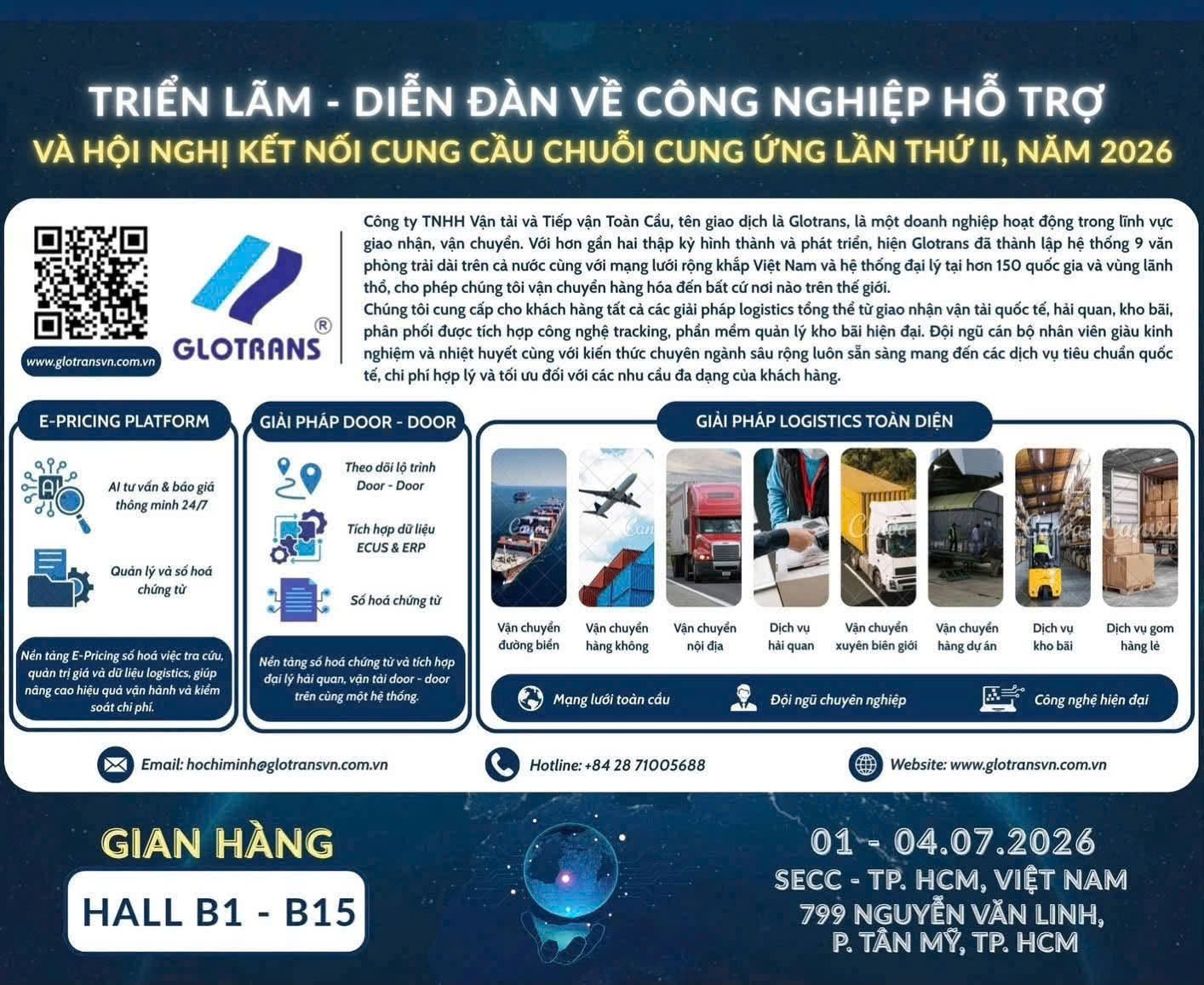
From July 1–4, 2026, Glotrans is participating in MTA Vietnam 2026, one of Vietnam's leading international exhibitions for precision engineering, manufacturing, and supporting industries, held at the Saigon Exhibition and Convention Center (SECC), Ho Chi Minh City.
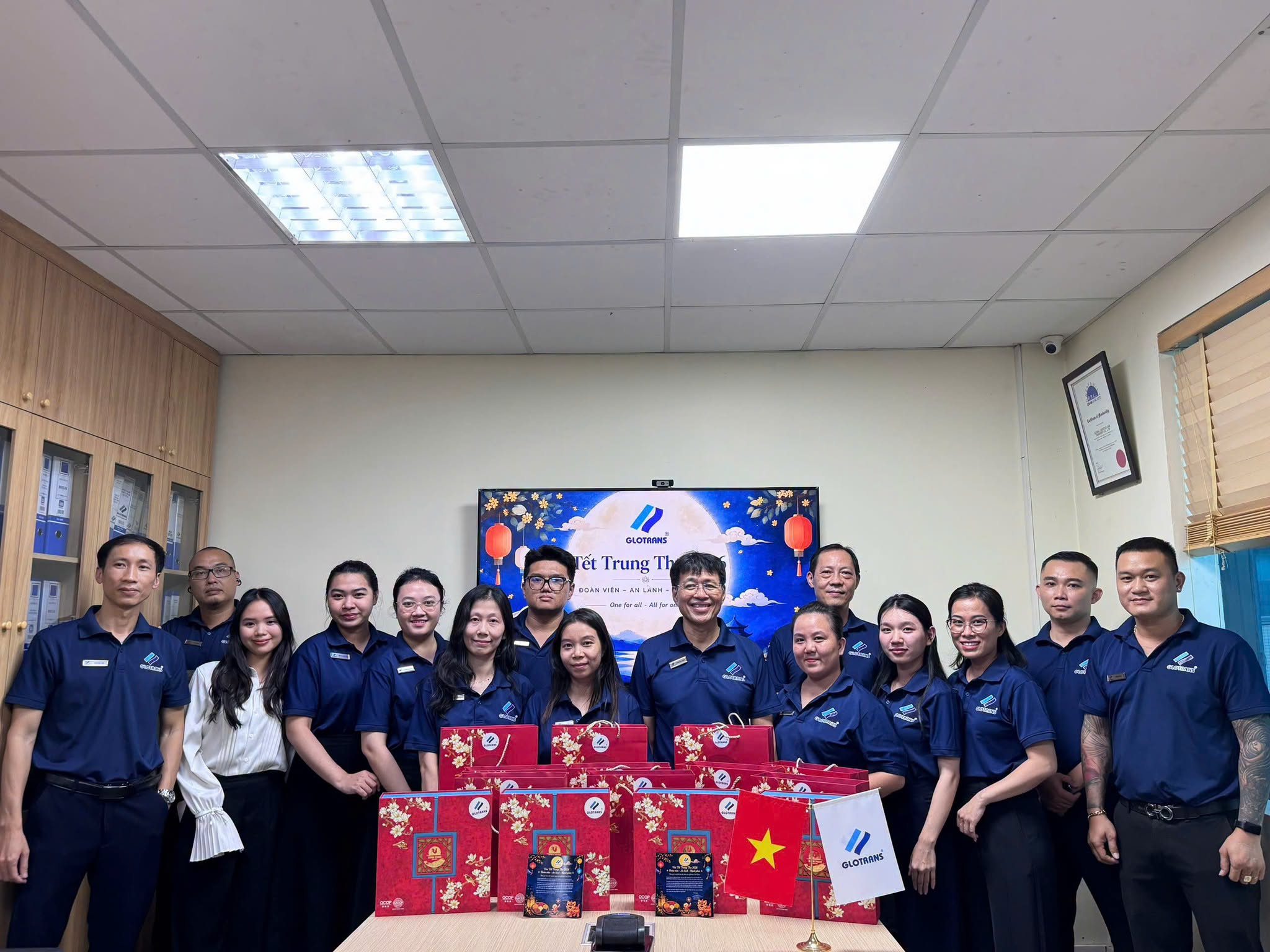
The Mid-Autumn Festival is not only a time for family reunions, but also a special occasion to share love, send warm wishes, and enjoy meaningful moments with our beloved colleagues.
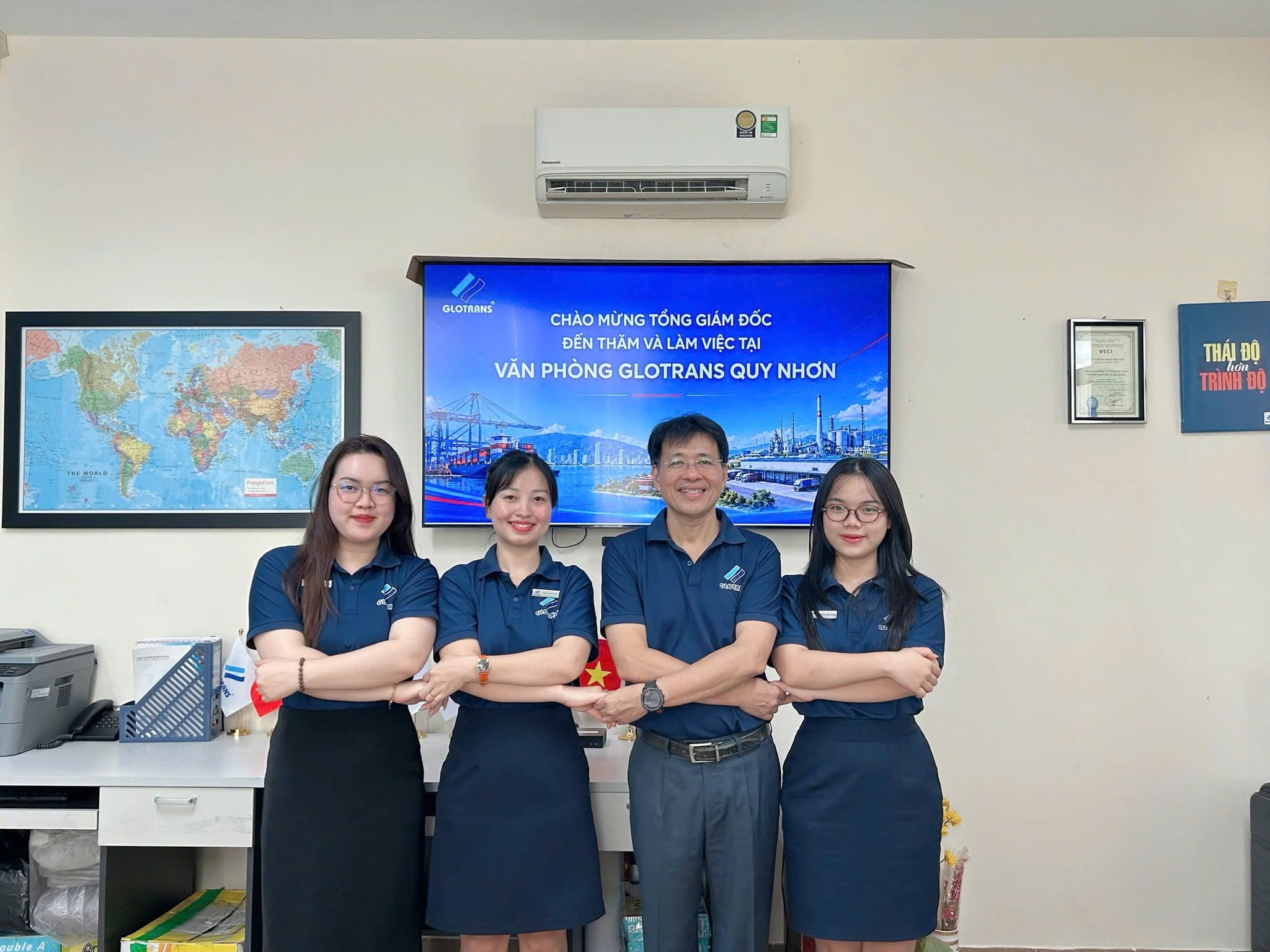
Over the past few days, GLOTRANS’s General Director has been traveling between offices, from Da Nang to Quy Nhon, to personally attend meetings reviewing the business performance of the first six months of the year, assess each office’s operations, and work with the teams to set goals for the next stage.
GLOTRANS would like to inform our Valued Customers and Partners of our holiday schedule for Vietnam’s National Day (2 September 2026) as follows:
The shipment of food additives was transported in container No. FCIU3301688 (20’), under B/L MPRSMUM1806, on the voyage from Nhavasheva Port (India) to Dinh Vu Port (Hai Phong, Vietnam) on 29/04/2017.
Company T (Plaintiff – the Insured) entered into an insurance contract with Company B (Defendant – the Insurer). After the insured event occurred, the Insurer alleged that the Insured had violated its obligation to prevent and mitigate losses. The Arbitral Tribunal acknowledged that such an obligation exists but concluded that the Insured did not breach it.
Under the insurance contract, the premium was to be paid in three installments, and in all three, the insured party was late in payment. When a dispute arose, the insurer (Defendant) argued that the insurance contract had terminated before the insured event occurred due to the late premium payment and therefore refused to make an insurance payout. However, the Arbitral Tribunal held a contrary view.