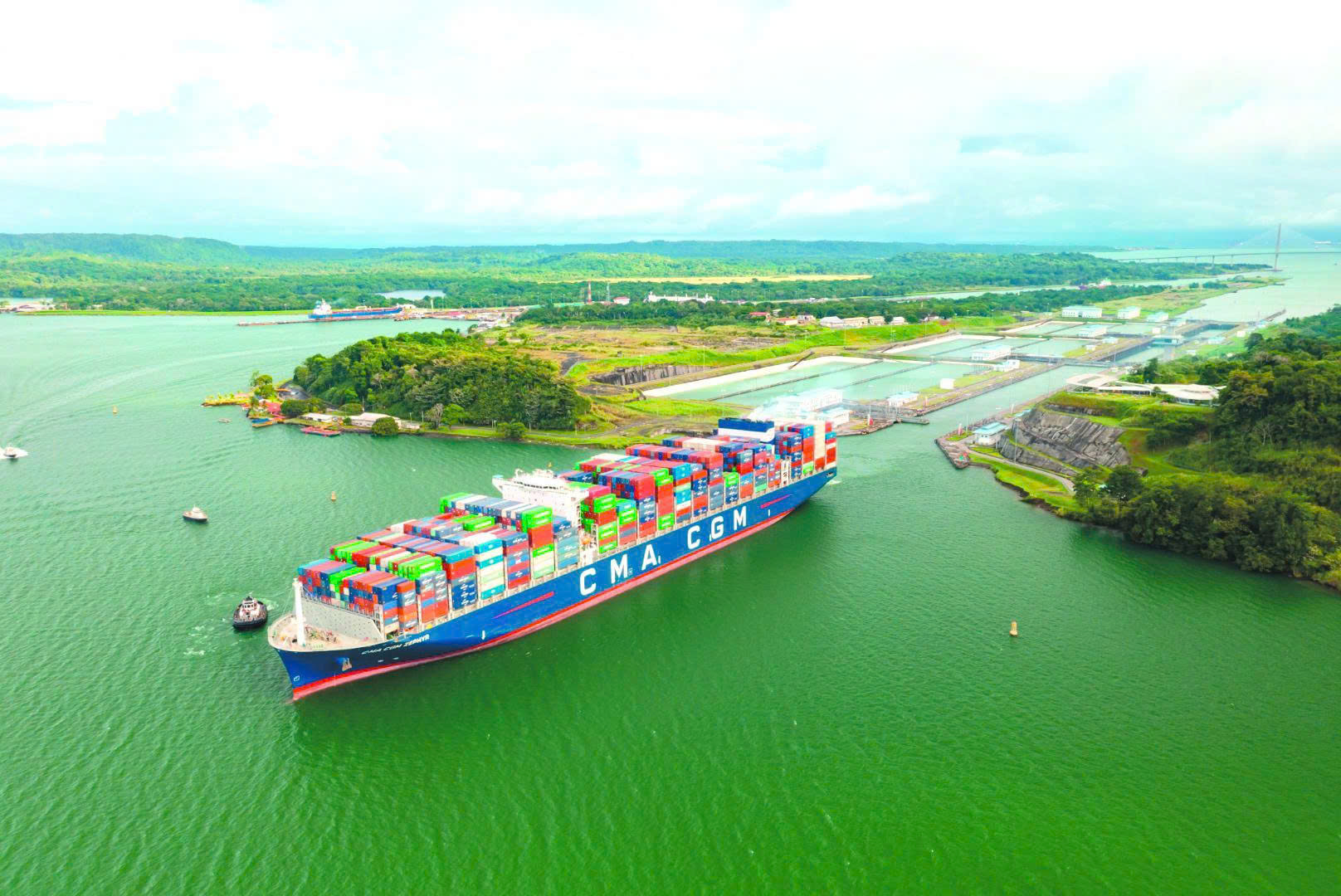
PANAMA CANAL TO FURTHER REDUCE DRAFT LIMIT FOR NEOPANAMAX VESSELS
The Panama Canal will further reduce the maximum allowable draft for Neopanamax vessels from late August 2026 as water levels in Gatun Lake continue to decline.
In modern logistics, delays are no longer viewed as mere inconveniences. They can result in significant financial losses, including reduced revenue, dissatisfied customers, increased warehousing costs, disrupted production schedules, and damaged business reputation. As global supply chains become increasingly vulnerable to uncertainty, delay insurance and time-related risk management solutions are gaining growing attention among Vietnamese enterprises.
For many years, businesses have relied on cargo insurance to protect goods against traditional risks such as loss, physical damage, fire, accidents, and natural disasters during transportation. However, another critical risk has gradually emerged and is often underestimated—the risk associated with time.
A shipment may arrive in perfect condition, yet if it reaches its destination later than expected, the financial consequences can still be severe. Delayed raw materials may interrupt manufacturing operations due to insufficient inputs. Seasonal products that miss their peak selling period can rapidly lose commercial value. In cross-border e-commerce, late deliveries often lead to customer dissatisfaction, order cancellations, and negative reviews. Delays in delivering production components may halt entire assembly lines, while prolonged customs clearance for temperature-sensitive cargo can compromise product quality. Export shipments that miss their scheduled vessel departures may also incur detention and demurrage charges, contractual penalties, and reputational damage with international partners.
As global supply chains continue to face disruptions caused by geopolitical conflicts, natural disasters, port congestion, container shortages, labor strikes, route diversions, and changing trade regulations, time has evolved into a measurable business risk with direct financial implications.
Despite this reality, many companies still manage delivery delays primarily through experience, personal relationships, and ad hoc negotiations. When disruptions occur, businesses often rely on phone calls, informal coordination, or negotiations with logistics providers. While this approach may solve isolated cases, it is no longer sufficient for today's highly integrated supply chains, where delivery commitments, contractual accountability, and operational transparency are essential.
From cargo insurance to time risk protection
Delay insurance refers to insurance products or financial solutions designed to compensate businesses for losses arising from shipments that arrive later than the agreed delivery time or a predefined schedule.
Internationally, this concept has evolved into several forms, including Delay in Startup (DSU) Insurance for construction and industrial projects, Business Interruption Insurance, extended clauses under cargo insurance policies, Parametric Logistics Insurance, and data-driven compensation solutions.
What distinguishes these modern approaches is that time-related risks can now be measured accurately through logistics data.
In the past, disputes over shipment delays were often difficult to resolve because determining the exact cause, assigning responsibility, and calculating financial losses were highly complicated. Today, however, technologies such as GPS tracking, AIS vessel monitoring, container tracking systems, port information platforms, customs databases, electronic bills of lading, temperature sensors, and Transportation Management Systems (TMS) enable companies to identify where a shipment is located, where delays occur, why they happen, and what operational or financial impacts they create.
Once delays become measurable, they also become insurable. Reliable logistics data allows insurers to evaluate risks more accurately, simplify claims procedures, and offer more transparent compensation mechanisms. At the same time, businesses gain valuable insights into the actual cost of every delayed day, helping them make better decisions regarding transportation routes, shipping methods, insurance coverage, and logistics service providers.
A delay should therefore not be viewed simply as "late delivery." It often translates into additional warehousing costs, demurrage and detention fees, contractual penalties, lost sales, customer attrition, and production interruptions. The more accurately these costs are quantified, the more effectively companies can manage risks throughout their supply chains.
Not every shipment requires delay insurance. For cargo with relatively low value or limited sensitivity to delivery schedules, the additional insurance cost may not be economically justified. However, for industries where timing directly affects operational efficiency and commercial value, delay-related risk protection deserves serious consideration.
The first group includes manufacturers operating under Just-in-Time (JIT) or near-JIT production models, particularly in sectors such as electronics, automotive, machinery, textile, and component manufacturing. In these industries, even a minor delay in the arrival of raw materials or production components can interrupt the entire manufacturing process, resulting in significant financial losses that often far exceed the value of the shipment itself.
Seasonal and time-sensitive products represent another category with a high exposure to delay risks. Fashion collections, promotional merchandise, holiday products, and goods launched as part of marketing campaigns derive much of their value from reaching the market at the right moment. Missing the intended sales window can substantially reduce demand and erode profitability.
Cold chain logistics is another area where delivery delays carry serious consequences. Agricultural products, seafood, fresh food, pharmaceuticals, vaccines, and other temperature-controlled cargo depend on strict transit schedules to preserve quality and safety. Extended transportation or customs clearance times may lead to product deterioration, regulatory non-compliance, or even complete cargo loss.
Cross-border e-commerce is equally vulnerable to time-related risks. Today's consumers expect fast and reliable deliveries and rarely distinguish between delays caused by shipping lines, customs authorities, or logistics providers. Instead, they judge the overall customer experience based on whether their orders arrive on time. Consequently, delayed deliveries often result in negative reviews, increased return rates, customer complaints, and declining brand loyalty.
Large-scale infrastructure, energy, and industrial projects also face considerable exposure to delivery delays. Critical equipment arriving behind schedule may postpone installation, commissioning, and commercial operation, ultimately affecting project timelines, financing costs, and contractual commitments.
Before deciding whether to purchase delay insurance, companies should first develop a comprehensive understanding of the time-related risks within their own supply chains.
The first step is to establish a detailed timeline covering every critical logistics milestone, including the production date, container stuffing date, port gate-in date, vessel departure, port arrival, customs clearance, warehouse delivery, and the final stage when the goods enter production or are delivered to customers. Mapping these milestones enables businesses to identify potential bottlenecks and evaluate where delays are most likely to occur.
The next step is to quantify the financial impact of every day of delay. This assessment should include warehouse storage costs, demurrage and detention charges, contractual penalties, lost sales opportunities, production downtime, and any reduction in product quality or market value. Without a clear understanding of these costs, businesses cannot accurately determine whether purchasing delay insurance represents a worthwhile investment.
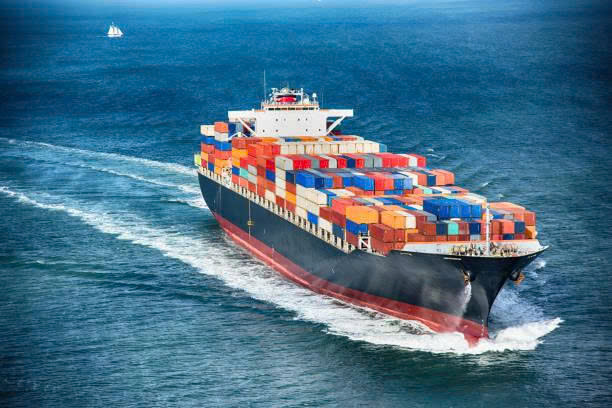
Equally important is the standardization and digitalization of logistics data. Companies should maintain complete records of contracts, booking confirmations, bills of lading, shipment tracking information, proof of delivery, temperature monitoring records, vessel and flight schedules, warehouse data, and customs documentation. Well-organized logistics data not only supports insurance claims but also enhances operational visibility and improves overall supply chain performance.
In addition, businesses should carefully review the liability clauses contained in logistics contracts. Many companies only discover after a disruption occurs that the liability of freight forwarders, shipping lines, airlines, or transport providers is either contractually limited or excluded altogether. Effective time-risk management therefore extends beyond insurance purchasing—it also requires carefully negotiated contracts and the selection of reliable logistics partners.
As digital transformation continues to reshape the logistics industry, insurance solutions are also evolving toward data-driven and parametric models.
Instead of relying on lengthy investigations to determine the causes of shipment delays, future insurance products may automatically trigger compensation once predefined conditions are met. For example, claims could be processed automatically if shipment data confirms that cargo arrived beyond the agreed delivery threshold, temperatures exceeded acceptable limits for a specified duration, or transit times were extended due to predefined events.
For these innovative insurance models to function effectively, several key elements must be in place. Reliable and verifiable logistics data, standardized digital connectivity, clearly defined contractual terms, an appropriate legal framework, and close collaboration among insurers, logistics service providers, financial institutions, technology companies, and cargo owners are all essential components.
Although delay insurance remains relatively new in Vietnam, its growth potential is significant. As Vietnamese exporters become more deeply integrated into global supply chains—where delivery performance is increasingly linked to supplier evaluation and long-term partnerships—the demand for sophisticated risk management solutions is expected to rise steadily. At the same time, logistics service providers may differentiate themselves by integrating insurance products and real-time data services into their value-added offerings.
In today's logistics environment, time is more than money. It represents operational efficiency, contractual performance, business credibility, and customer trust.
Delay insurance and other time-risk management solutions cannot replace strong operational capabilities or effective supply chain planning. However, they provide businesses with valuable tools to identify risks, quantify potential losses, and respond more proactively to supply chain disruptions.
As global trade becomes increasingly interconnected and data-driven, transforming logistics data into actionable risk management strategies will no longer be optional—it will become an essential component of supply chain resilience and sustainable business growth. For Vietnamese enterprises seeking to strengthen their position in international markets, understanding and managing the financial impact of delivery delays will be a crucial step toward building more competitive and resilient supply chains.
Source: Compiled
The Panama Canal will further reduce the maximum allowable draft for Neopanamax vessels from late August 2026 as water levels in Gatun Lake continue to decline.
From July 1–4, 2026, Glotrans is participating in MTA Vietnam 2026, one of Vietnam's leading international exhibitions for precision engineering, manufacturing, and supporting industries, held at the Saigon Exhibition and Convention Center (SECC), Ho Chi Minh City.
As sustainability continues to gain importance across global business operations, Green Procurement is becoming a key consideration in sourcing strategies and supply chain management
Building on the positive momentum of the opening day, on October 23, 2026, Glotrans’ Booth B18 at HCMC Export 2026 continued to welcome a large number of visitors, businesses, and domestic and international partners for networking, service exploration, and discussions on potential collaboration opportunities.
In celebration of Vietnamese Women’s Day on October 20, Glotrans branches across the entire system have organized meaningful activities, creating a warm, joyful atmosphere and many memorable moments for female employees.
The shipment of food additives was transported in container No. FCIU3301688 (20’), under B/L MPRSMUM1806, on the voyage from Nhavasheva Port (India) to Dinh Vu Port (Hai Phong, Vietnam) on 29/04/2017.
Company T (Plaintiff – the Insured) entered into an insurance contract with Company B (Defendant – the Insurer). After the insured event occurred, the Insurer alleged that the Insured had violated its obligation to prevent and mitigate losses. The Arbitral Tribunal acknowledged that such an obligation exists but concluded that the Insured did not breach it.
Under the insurance contract, the premium was to be paid in three installments, and in all three, the insured party was late in payment. When a dispute arose, the insurer (Defendant) argued that the insurance contract had terminated before the insured event occurred due to the late premium payment and therefore refused to make an insurance payout. However, the Arbitral Tribunal held a contrary view.