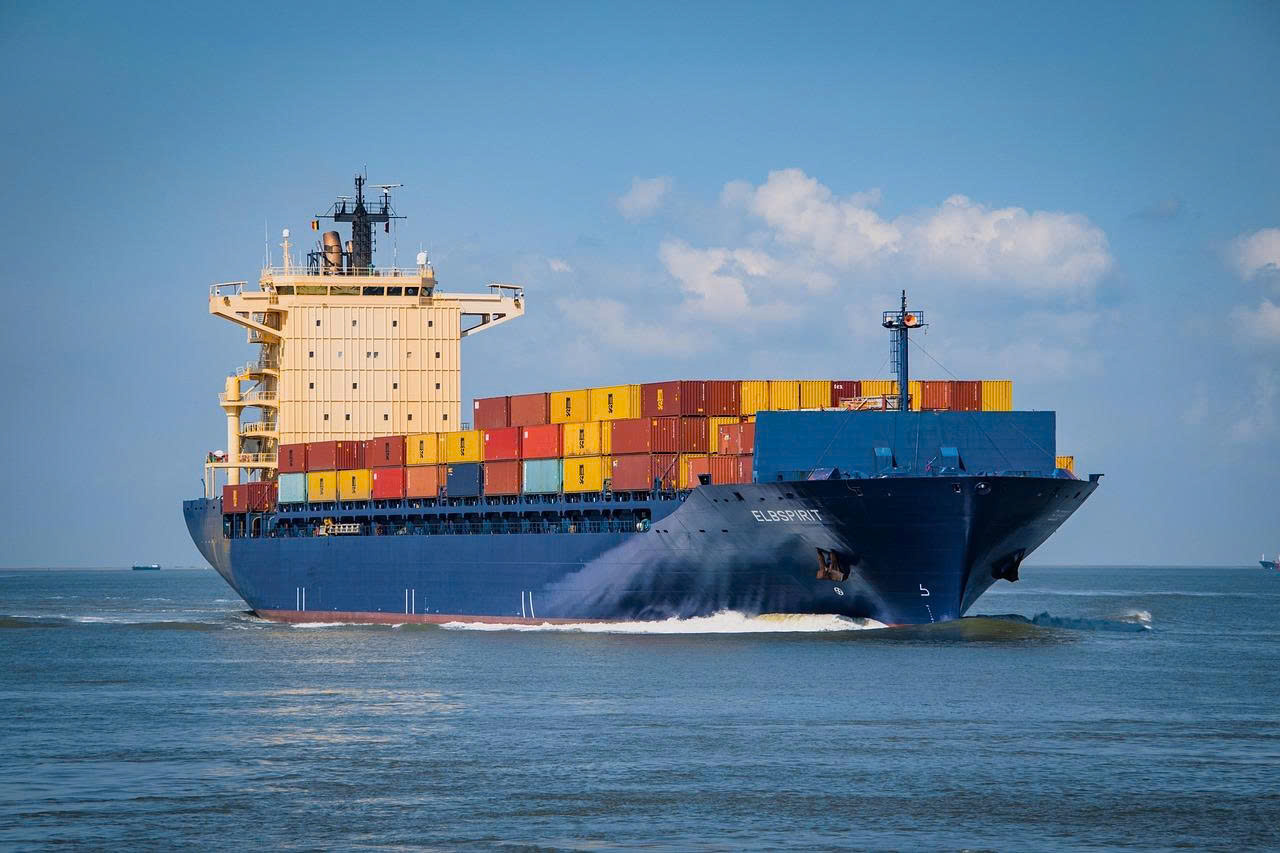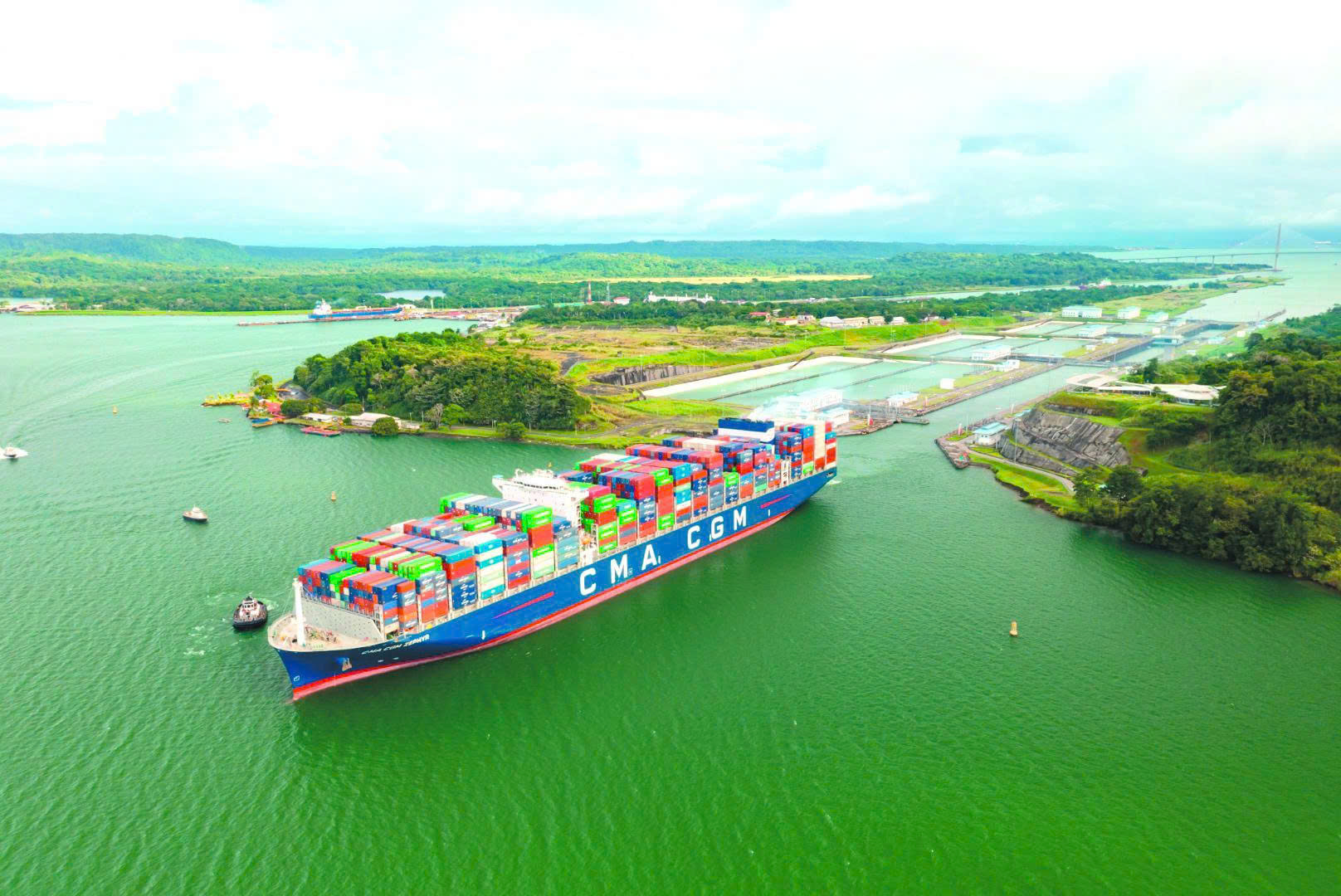
PANAMA CANAL TO FURTHER REDUCE DRAFT LIMIT FOR NEOPANAMAX VESSELS
The Panama Canal will further reduce the maximum allowable draft for Neopanamax vessels from late August 2026 as water levels in Gatun Lake continue to decline.
As sustainability continues to gain importance across global business operations, Green Procurement is becoming a key consideration in sourcing strategies and supply chain management. Beyond traditional factors such as cost, product quality, and delivery performance, multinational corporations are increasingly incorporating carbon emissions, data transparency, and environmental compliance into their supplier evaluation processes. This shift indicates that sustainability is no longer a long-term aspiration but is rapidly evolving into a practical requirement for participating in global trade.
The impact of this trend is being felt throughout the entire supply chain, particularly within the logistics sector. Historically, logistics was primarily viewed as a function focused on controlling transportation costs and ensuring timely deliveries. Today, however, its role has expanded significantly. Businesses are looking for logistics partners that can not only deliver operational efficiency but also provide risk management capabilities, supply chain visibility, and support for broader sustainability objectives. As a result, logistics is increasingly being recognized as a strategic enabler of supply chain resilience and long-term business competitiveness.

For Vietnamese businesses, especially small and medium-sized enterprises (SMEs), this transition presents both challenges and opportunities. While resource limitations may constrain large-scale investments, adapting to changing market expectations does not necessarily require substantial capital expenditure. A more practical approach lies in strengthening operational foundations through data standardization, digital transformation, improved risk management, and greater transparency across logistics activities. As international customers place growing emphasis on traceability and sustainability-related performance indicators, companies that prepare early will be better positioned to maintain and expand their presence in global markets.
This trend is also reflected in Vietnam’s long-term logistics development strategy. In March 2026, the implementation plan for Vietnam’s Logistics Services Development Strategy toward 2035, with a vision to 2050, reaffirmed digital transformation and green logistics as two key pillars for enhancing industry competitiveness and supporting sustainable growth. This demonstrates that sustainability requirements are not only being driven by international customers but are also becoming an integral part of Vietnam’s logistics development agenda.
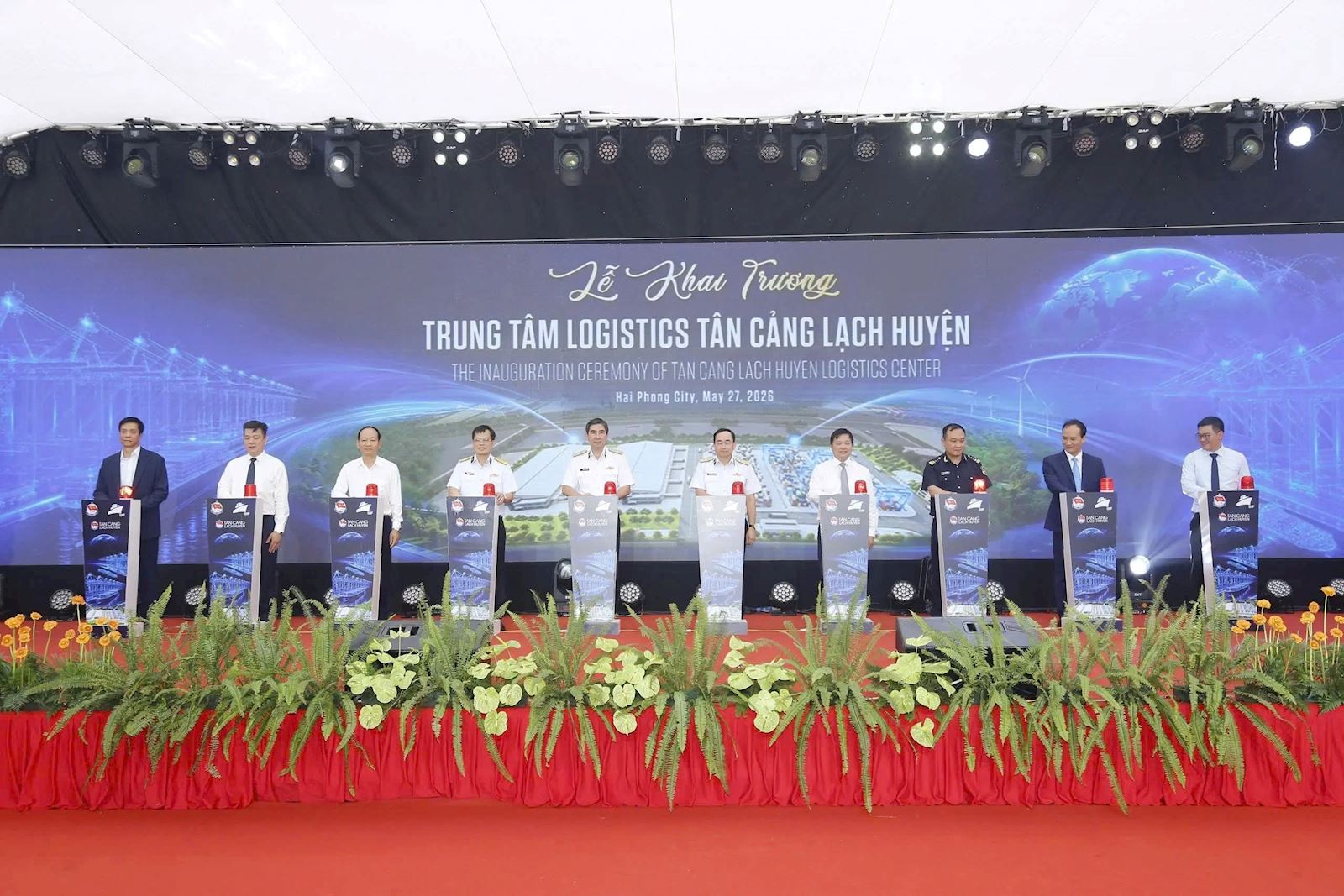
At the same time, logistics infrastructure projects across Vietnam are gradually embracing greener and more efficient operating models. The Tan Cang Lach Huyen Logistics Center serves as a notable example, with ongoing investments in electric-powered equipment and efforts to align with international standards for environmental responsibility and supply chain security. Such initiatives not only contribute to reducing environmental impact but also enhance operational efficiency, strengthen connectivity, and support the long-term development of Vietnam’s logistics ecosystem.
Ultimately, Green Procurement is driving a fundamental shift in how supply chains are designed and managed. As sustainability criteria become increasingly integrated into supplier selection processes, the ability to demonstrate transparency, operational excellence, and environmental commitment will play a decisive role in determining future competitiveness. For logistics providers and trading companies in Vietnam, this represents not only a compliance challenge but also a valuable opportunity to enhance service quality, strengthen customer trust, and secure a stronger position within an increasingly sustainability-driven global supply chain landscape.
Source: Compiled
The Panama Canal will further reduce the maximum allowable draft for Neopanamax vessels from late August 2026 as water levels in Gatun Lake continue to decline.
In modern logistics, delays are no longer viewed as mere inconveniences. They can result in significant financial losses, including reduced revenue, dissatisfied customers, increased warehousing costs, disrupted production schedules, and damaged business reputation
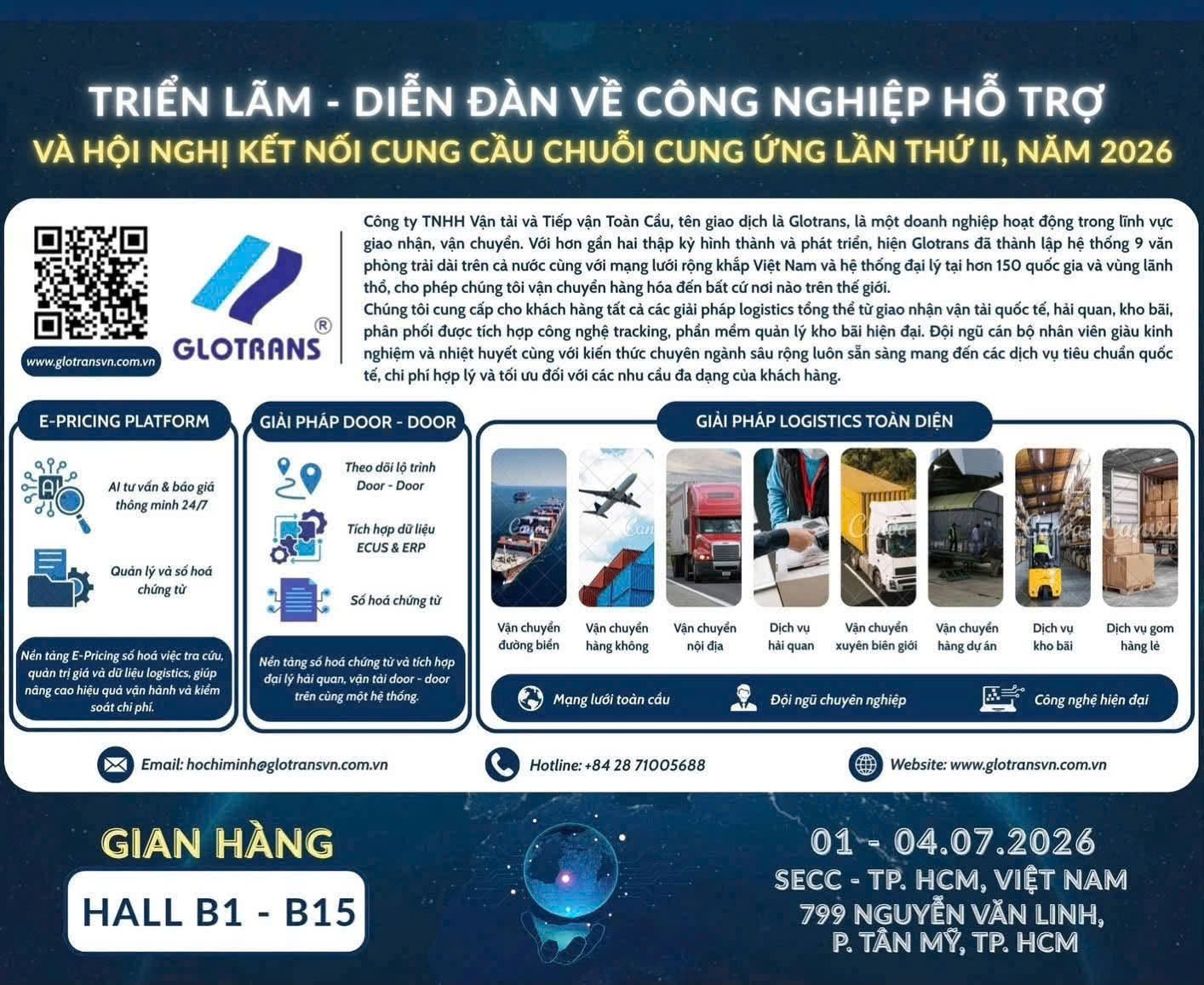
From July 1–4, 2026, Glotrans is participating in MTA Vietnam 2026, one of Vietnam's leading international exhibitions for precision engineering, manufacturing, and supporting industries, held at the Saigon Exhibition and Convention Center (SECC), Ho Chi Minh City.
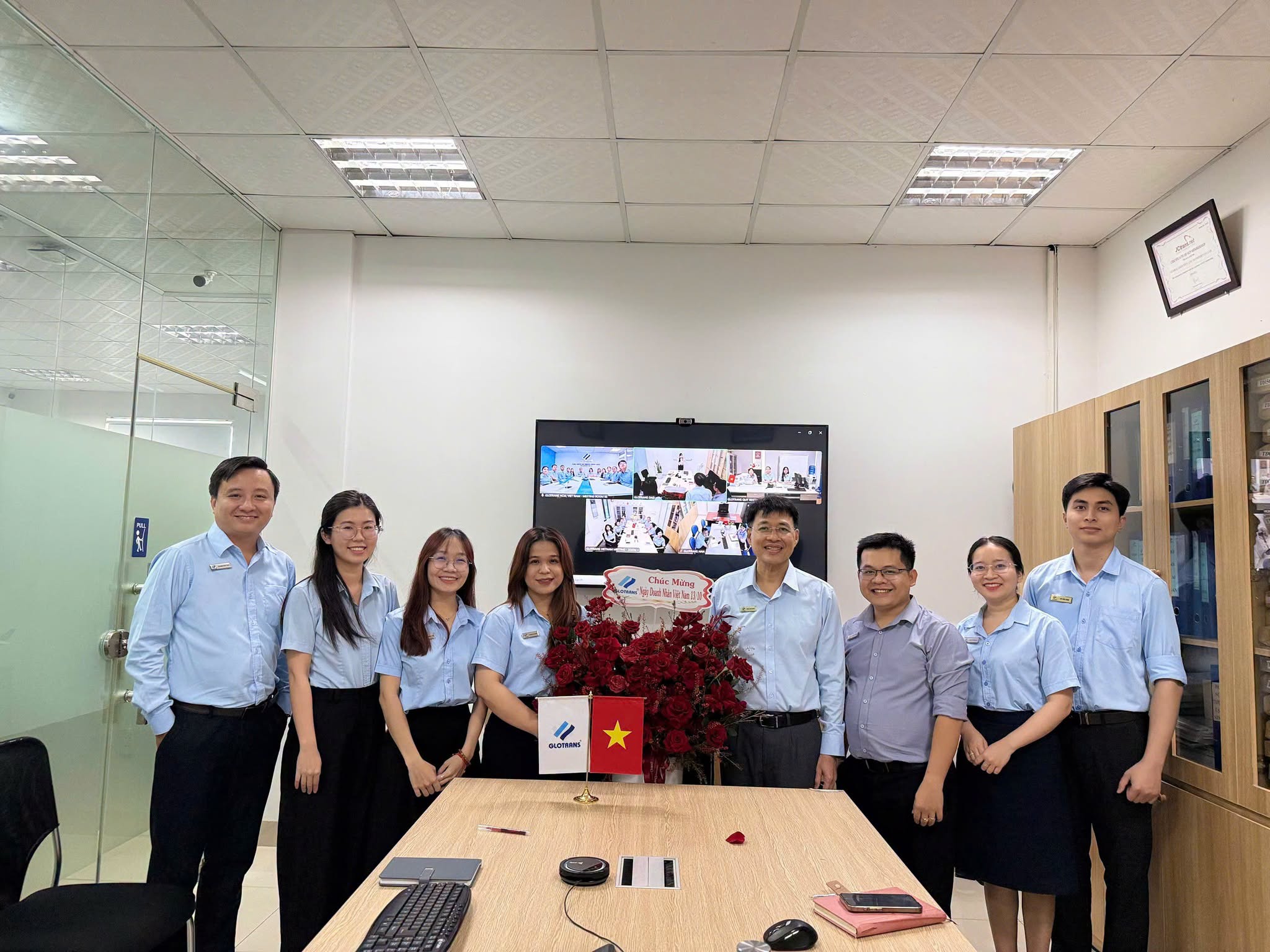
Vietnamese Entrepreneurs’ Day, celebrated on October 13, is an occasion to honor the contributions of the business community to the country’s economic development, while recognizing the resilience, innovative spirit, and ambition of those who lead businesses forward
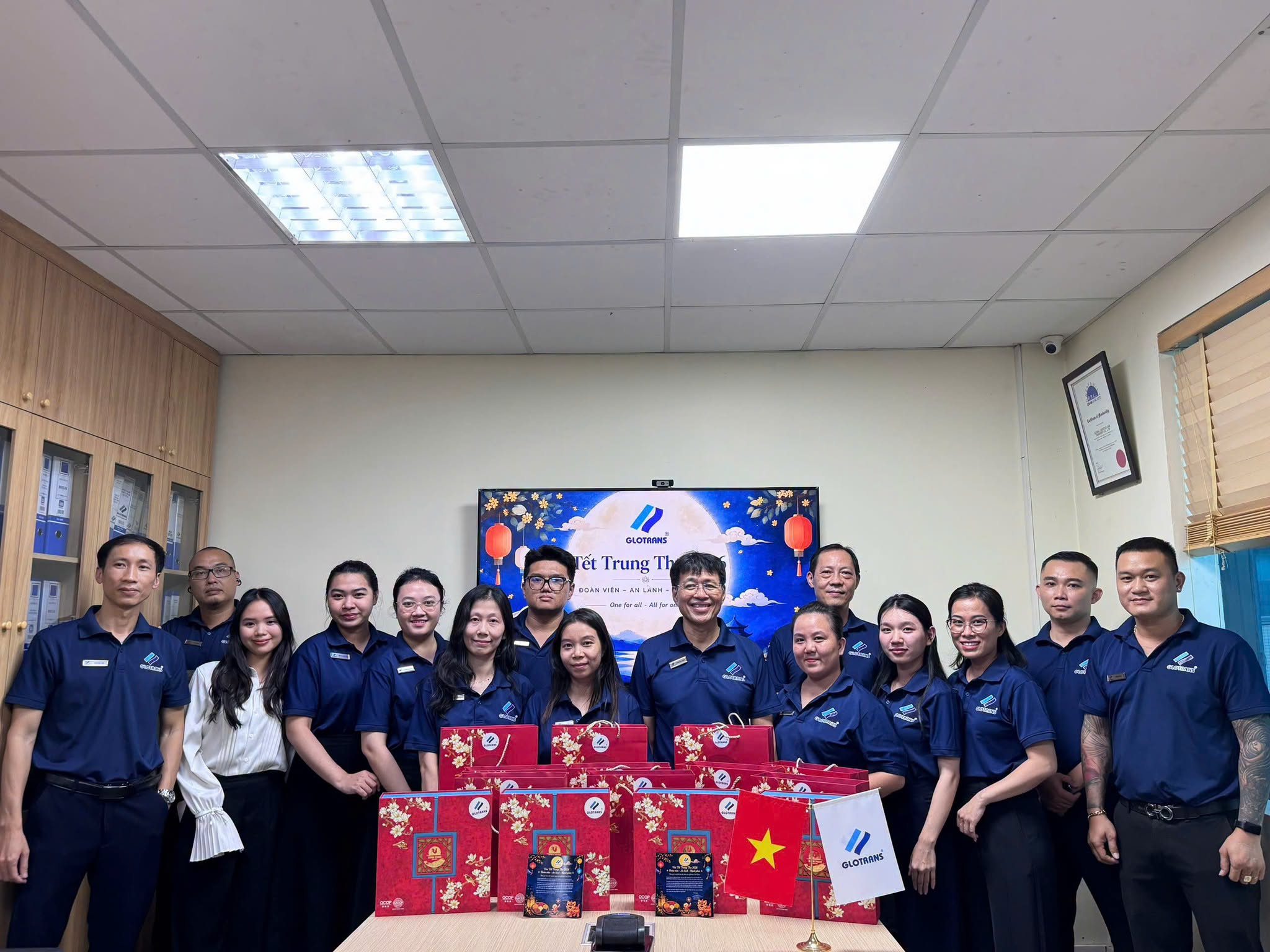
The Mid-Autumn Festival is not only a time for family reunions, but also a special occasion to share love, send warm wishes, and enjoy meaningful moments with our beloved colleagues.
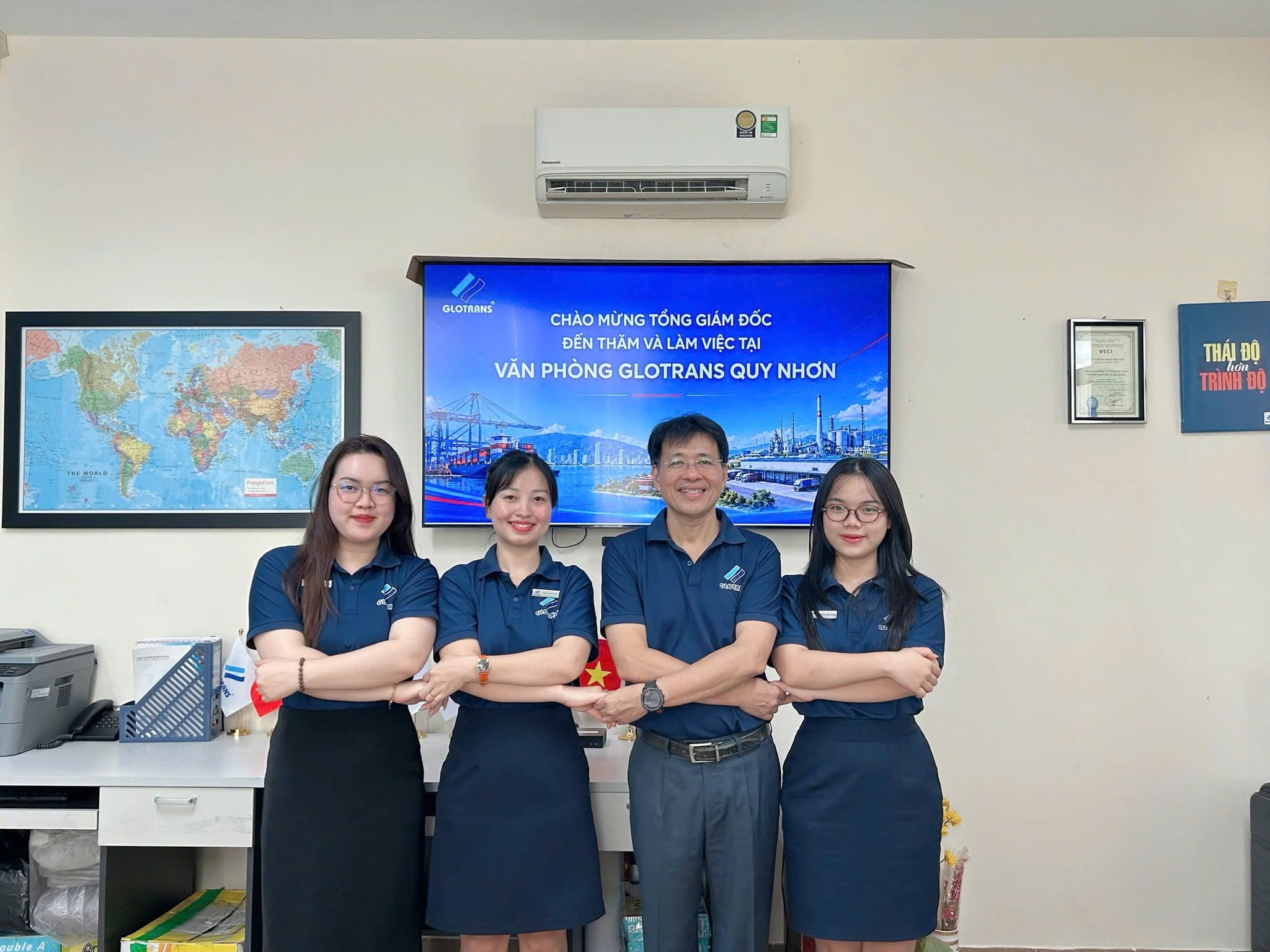
Over the past few days, GLOTRANS’s General Director has been traveling between offices, from Da Nang to Quy Nhon, to personally attend meetings reviewing the business performance of the first six months of the year, assess each office’s operations, and work with the teams to set goals for the next stage.
The shipment of food additives was transported in container No. FCIU3301688 (20’), under B/L MPRSMUM1806, on the voyage from Nhavasheva Port (India) to Dinh Vu Port (Hai Phong, Vietnam) on 29/04/2017.
Company T (Plaintiff – the Insured) entered into an insurance contract with Company B (Defendant – the Insurer). After the insured event occurred, the Insurer alleged that the Insured had violated its obligation to prevent and mitigate losses. The Arbitral Tribunal acknowledged that such an obligation exists but concluded that the Insured did not breach it.
Under the insurance contract, the premium was to be paid in three installments, and in all three, the insured party was late in payment. When a dispute arose, the insurer (Defendant) argued that the insurance contract had terminated before the insured event occurred due to the late premium payment and therefore refused to make an insurance payout. However, the Arbitral Tribunal held a contrary view.