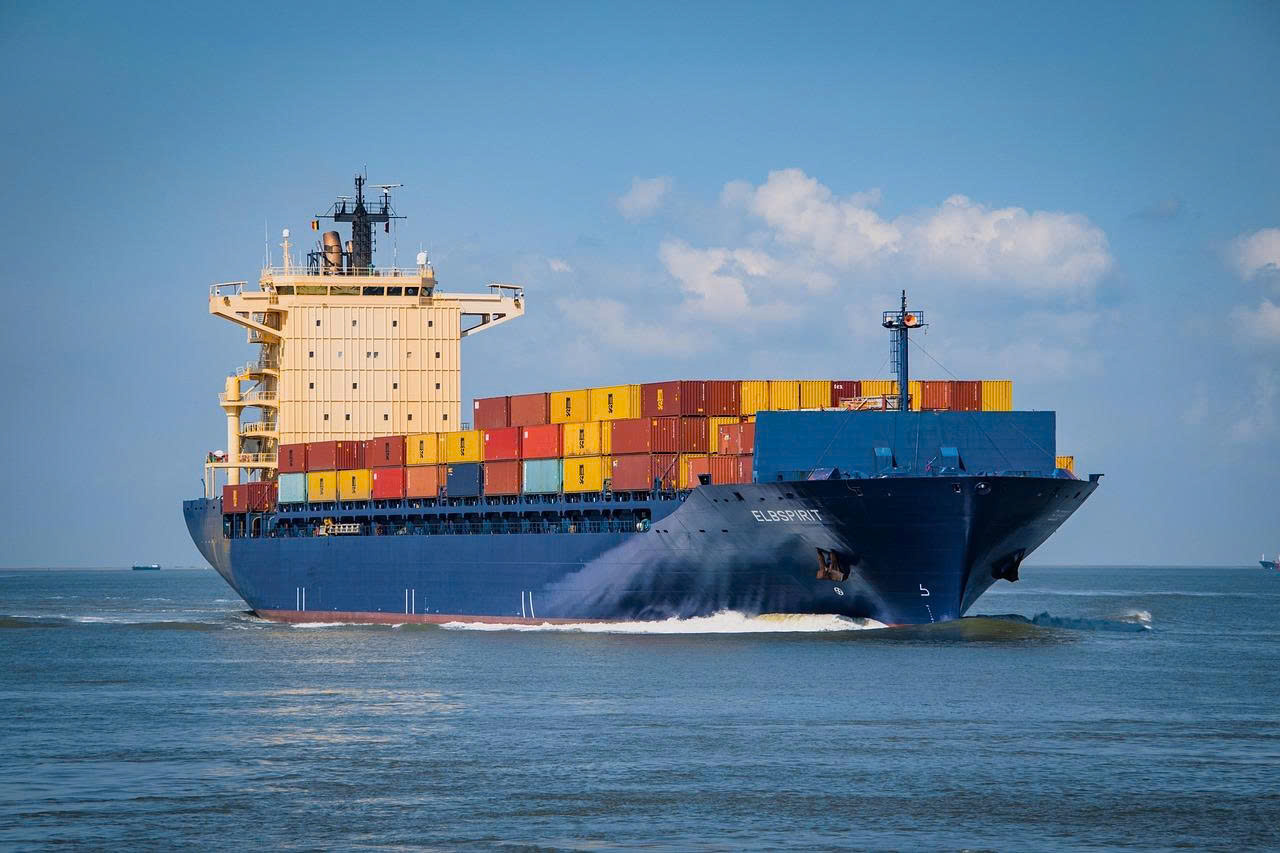
The Panama Canal will further reduce the maximum allowable draft for Neopanamax vessels from late August 2026 as water levels in Gatun Lake continue to decline.
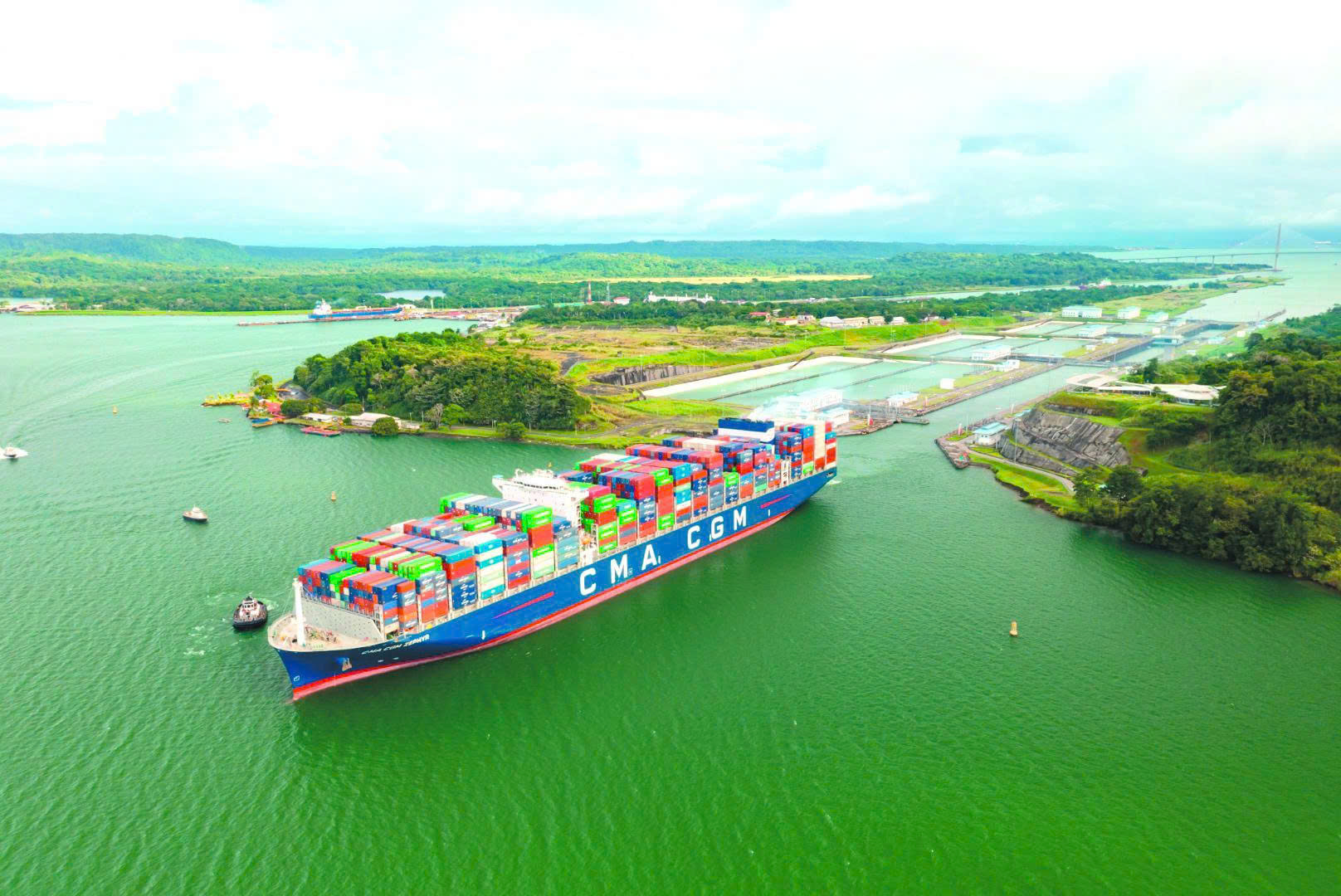
The Panama Canal Authority (ACP) will further adjust the maximum draft limit for vessels transiting the Neopanamax locks in response to the El Niño phenomenon and declining water levels in Gatun Lake.
The continued tightening of draft restrictions for Neopanamax vessels comes as water shortages at Gatun Lake remain a challenge for Panama Canal operations. The measure could reduce the cargo-carrying capacity of some vessels while affecting transportation costs and supply chain planning along international trade routes.
Draft Limit to Be Reduced from Late August
According to the ACP, the latest adjustment applies to the Neopanamax lock system, which is designed to accommodate large vessels, including container ships, laden liquefied natural gas (LNG) carriers and tankers.
According to the ACP's schedule:
- From August 26, 2026: the maximum allowable draft will be reduced to 48 feet (14.63 meters).
- From September 3, 2026: the limit will be further reduced to 47.5 feet (14.48 meters).
The ACP said the decision was based on current water levels and forecasts for Gatun Lake over the coming weeks. The lake is the primary water source supporting Panama Canal operations.
According to the authority, the adjustment forms part of its water and operational management strategy, which incorporates lessons learned from the drought experienced during 2023–2024.
El Niño Contributes to Further Decline in Gatun Lake Water Levels
According to the U.S. National Oceanic and Atmospheric Administration (NOAA), the El Niño phenomenon began developing in June 2026.
NOAA forecasts a 63% probability that sea surface temperatures in the monitored Niño region of the Pacific will exceed 2°C, corresponding to what is expected to be a very strong El Niño event.
In its August 6 update, NOAA maintained this forecast and stated that a strong El Niño could reduce hurricane activity in the North Atlantic, with a 75% probability that the hurricane season will be below average.
At the same time, the phenomenon is expected to significantly reduce rainfall across several regions, including the Caribbean and Latin America.
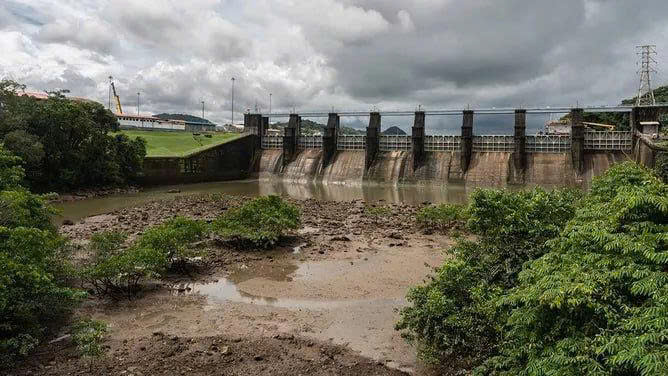
According to the ACP, the current water level of Gatun Lake is just above 84 feet, nearly 1 foot lower than in July, and is expected to decline further to approximately 83 feet in September.
During the 2023 drought, the water level of Gatun Lake fell to just above 79 feet between June and October, forcing the ACP to restrict both the number of daily transits and the operating draft limit.
No Reduction in Daily Transit Slots Yet
The ACP said this represents the fourth and fifth draft-limit adjustments of 2026, following previous reductions to 49 feet and 48.5 feet in July.
During the 2023–2024 drought, the draft limit for vessels using the Neopanamax lock system was reduced to a low of 43.5 feet.
At present, the ACP has not adjusted the number of vessels permitted to transit the canal each day. However, the authority suspended auctions for short-term transit slots at the end of July.
Previously, during 2023, the maximum number of daily transits was reduced from the usual limit of 38 vessels to 22 vessels.
Vessel Waiting Times Continue to Increase
According to The Maritime Executive, vessel traffic through the Panama Canal is increasing as U.S. energy exports to Asia rise following disruptions in the Strait of Hormuz, while U.S. import demand remains strong.
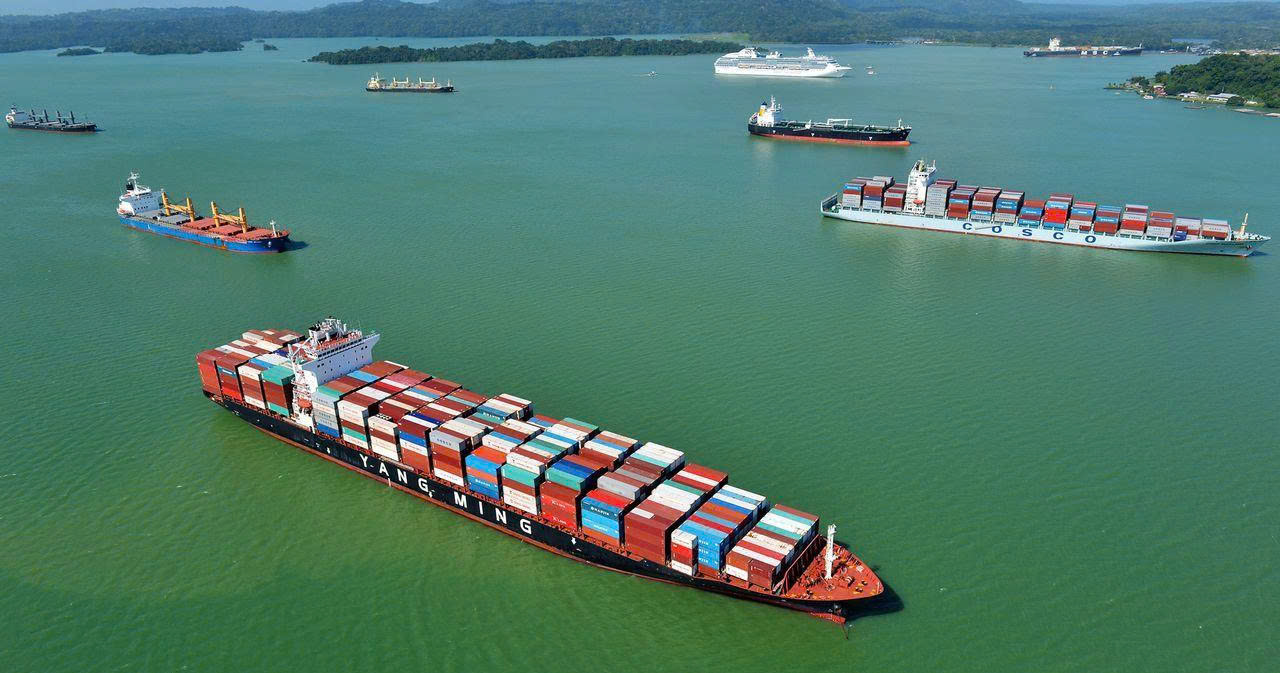
Data from the Panama Canal's online dashboard shows that 70 scheduled vessels and 35 unscheduled vessels are currently waiting to transit the canal.
Average waiting times have now exceeded six days in both directions. For Neopanamax vessels, waiting times range from 2 to 11 days.
At present, 15 scheduled Neopanamax vessels and 11 unscheduled Neopanamax vessels are waiting to transit the canal.
Source: Compiled