PANAMA CANAL TO FURTHER REDUCE DRAFT LIMIT FOR NEOPANAMAX VESSELS
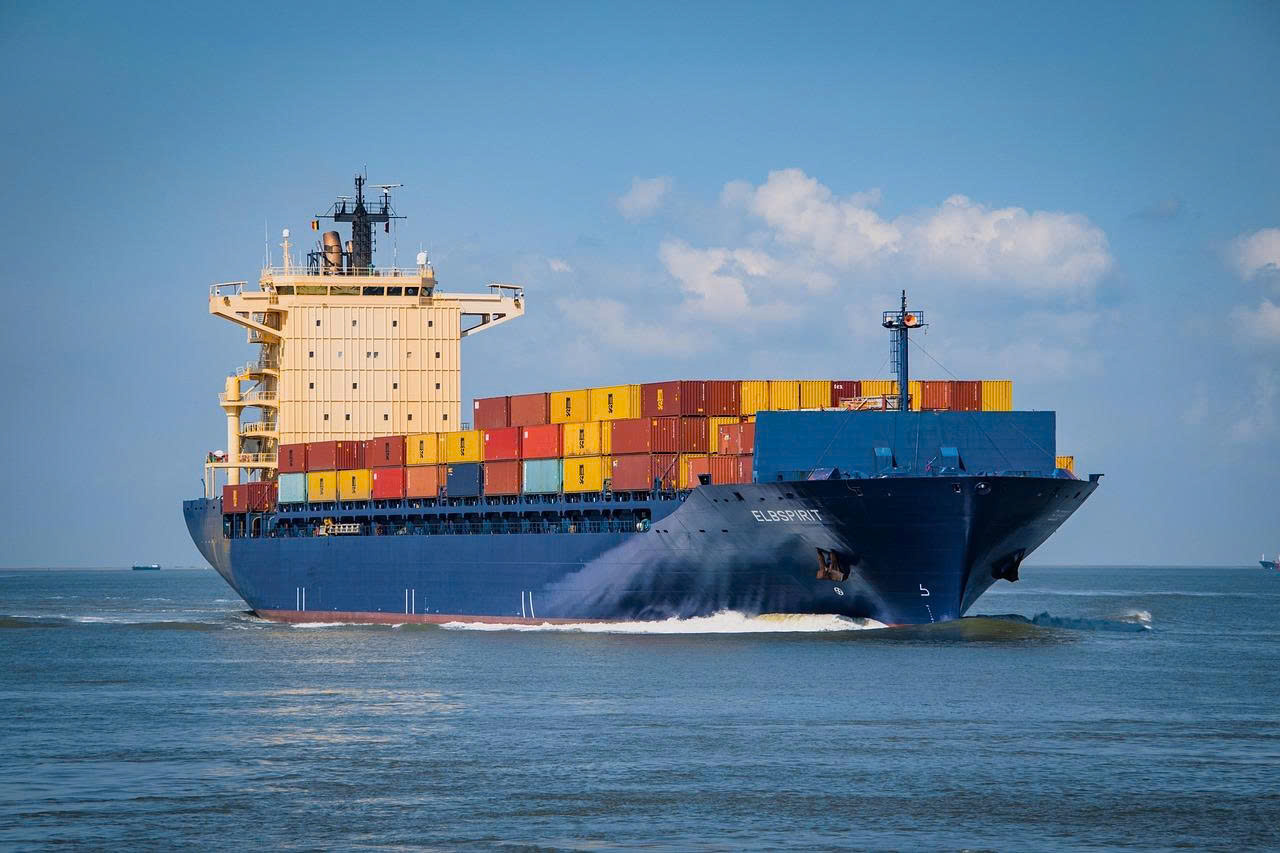
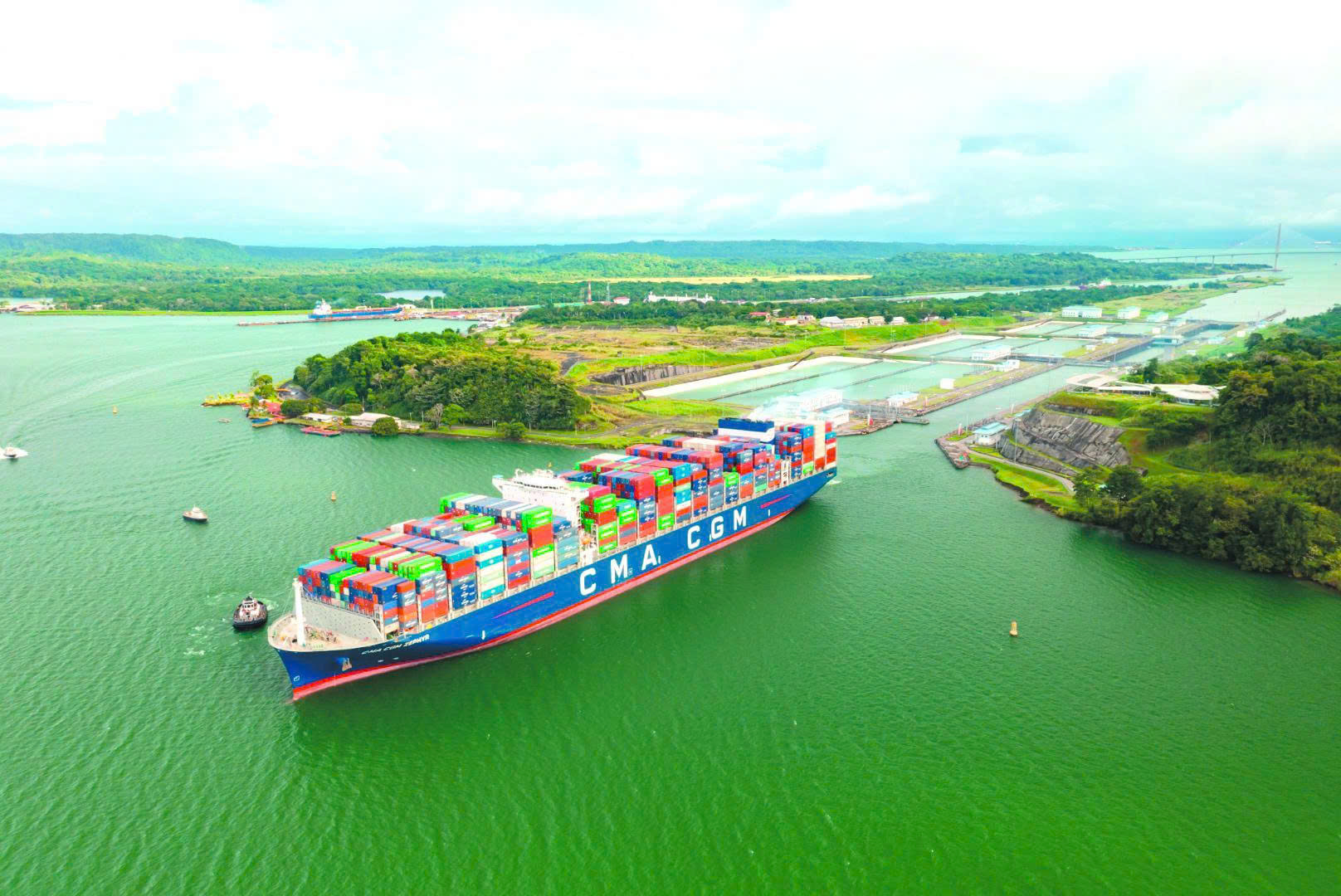
The Panama Canal will further reduce the maximum allowable draft for Neopanamax vessels from late August 2026 as water levels in Gatun Lake continue to decline.
In the logistics industry, disputes that arise during operations serve as important lessons that help businesses refine their procedures and strengthen their risk-management capabilities. The following article summarizes a real case involving a shipment of food additives imported from India to Vietnam, along with key insights gained from the dispute resolution process.
I. General Information about the Shipment
Transport terms: CY - Door / FCL - FCL
Port of loading: Nhavasheva, India
Delivery location: Hoang Mai District, Hanoi
Cargo description: Enzyme (food additive)
Quantity & weight: 10 pallets / 240 cans / 7,765 kg (1 × 20DC container)
Domestic trucking provider: A logistics company based in Hai Phong
Estimated loss value: USD 13,219.3
II. Sequence of Events
The shipment of food additives was transported in container No. FCIU3301688 (20’), under B/L MPRSMUM1806, on the voyage from Nhavasheva Port (India) to Dinh Vu Port (Hai Phong, Vietnam) on 29/04/2017.
On 23/05/2017, the cargo was delivered to the customer’s warehouse in Hanoi for unloading. Upon opening the container, it was discovered that the entire cargo had shifted toward the container doors; the two outermost pallets had collapsed, and several cans were broken, causing leakage onto the container floor. The lashing straps and remaining pallets were still intact.
The customer unloaded the cargo, placed it in temporary storage, and notified all relevant parties.
On 30/05/2017, the surveyor, together with the carrier’s representative, inspected the scene and recorded the following damage:
12 cans severely dented, punctured, and fully leaked
96 cans cracked or with broken lids, causing minor leakage
05 cans slightly dented but not leaking
127 cans intact
According to the preliminary survey report, the cause of damage may be due to weak pallets and loose stowage inside the container, leaving empty spaces. During transportation and handling, vibration caused the pallets to collapse and the cans to break.
III. Disputed Issues
1. Container demurrage and storage charges
Amount incurred: 11,479,579 VND (12 days of container demurrage at port)
Customer’s position: Refuses to pay, claiming the rate of USD 40/day is higher than previous shipments.
Carrier’s position: Charges follow the shipping line’s official tariff; the carrier paid the fees on behalf of the customer to maintain service continuity.
Both parties are still negotiating and have not reached an agreement regarding the amount and payment responsibility.
2. Transportation service charges
Total service fee: 60,159,515 VND
Customer’s stance: Refuses to pay, arguing that “the carrier did not fulfill the service obligations.”
Carrier’s stance: Container was delivered with seals intact, no external signs of damage or impact. This is supported by survey reports from the surveyor, port, and shipping line. The carrier asserts that it fulfilled all contractual obligations according to standard logistics practices.
The insurer has issued a letter of denial of compensation but has not provided a definitive conclusion on the cause of loss.
IV. Resolution Through Commercial Arbitration
Due to the customer's continued non-payment despite multiple reminders, the carrier initiated arbitration proceedings based on the Standard Trading Conditions (STC) of the Vietnam Logistics Business Association (VLA).
The parties had signed two service contracts (Booking Notes) in March and April 2017, which included the following clause:
“All services provided shall comply with the Standard Trading Conditions of VLA. A copy of these Conditions shall be provided to the customer upon request.”
Section 62 of the STC states:
“Any dispute, controversy, or claim arising out of or relating to these Standard Trading Conditions… shall be referred to the Vietnam International Arbitration Centre (VIAC) for final settlement in accordance with its Rules of Arbitration.”
When the case was brought to Arbitration, the customer argued that no specific agreement existed regarding the dispute resolution forum. However, the Arbitral Tribunal concluded that the arbitration clause was valid because it was clearly included in the written contract and referenced directly to the VLA STC—consistent with Article 16 of the Law on Commercial Arbitration 2010.
The Tribunal further determined that the dispute involved the customer’s obligation to pay logistics service fees, which is governed by both the contract and the STC (Sections 44–45). Therefore, the Tribunal had jurisdiction to resolve the dispute.
V. Lessons Learned
This incident highlights the importance of:
Clearly stating the applicable conditions or Standard Trading Conditions (STC) in contracts, booking notes, and quotations. When fully recorded, these clauses provide a strong legal basis for protecting businesses in commercial disputes.
Maintaining and providing copies of the STC to customers upon request.
Regularly reviewing service contracts to ensure legal compliance and minimize risks.
Understanding international transport practices and the responsibilities of each party involved.
Maintaining consistent communication and updates throughout the transportation process.
The Panama Canal will further reduce the maximum allowable draft for Neopanamax vessels from late August 2026 as water levels in Gatun Lake continue to decline.
In modern logistics, delays are no longer viewed as mere inconveniences. They can result in significant financial losses, including reduced revenue, dissatisfied customers, increased warehousing costs, disrupted production schedules, and damaged business reputation
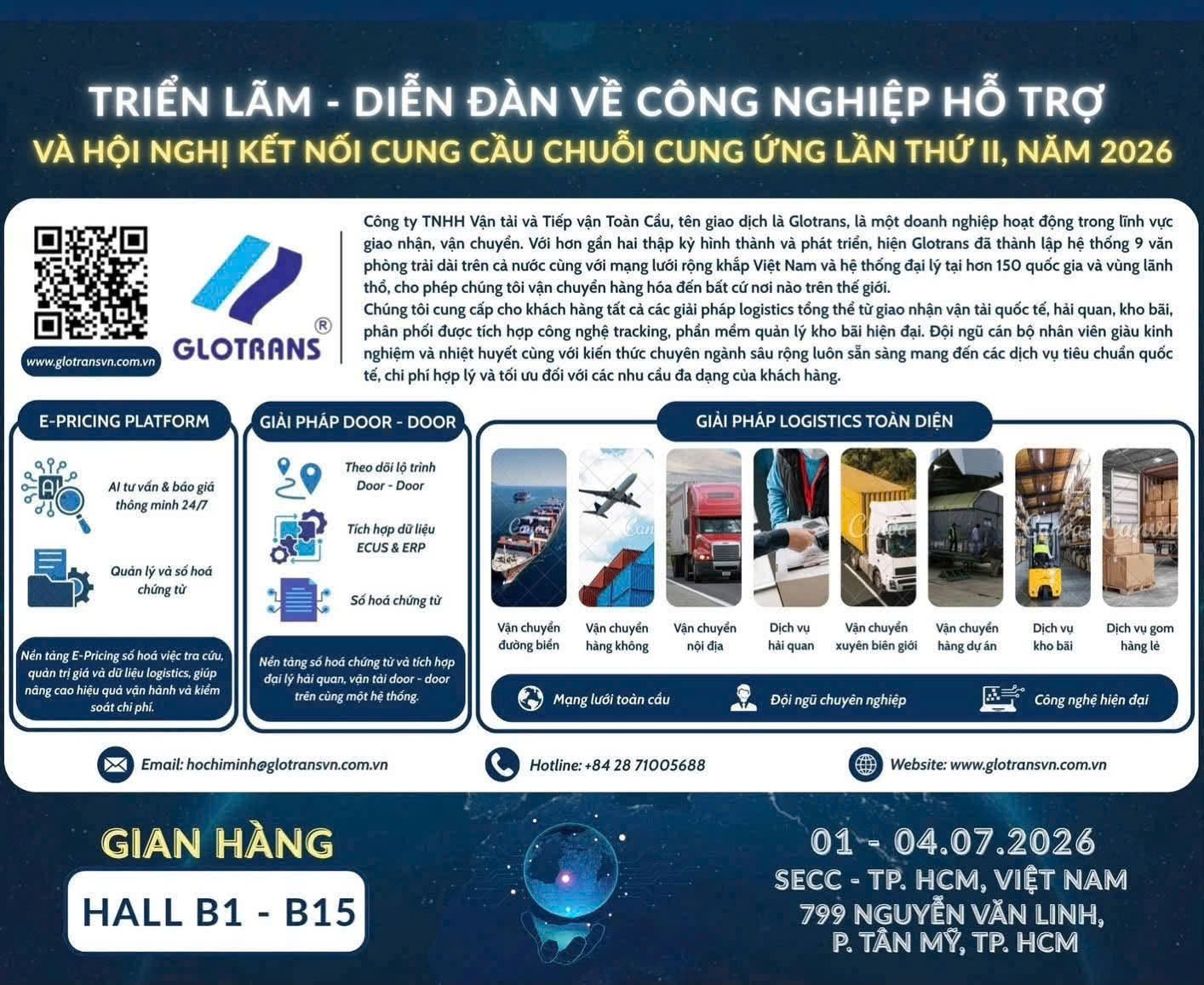
From July 1–4, 2026, Glotrans is participating in MTA Vietnam 2026, one of Vietnam's leading international exhibitions for precision engineering, manufacturing, and supporting industries, held at the Saigon Exhibition and Convention Center (SECC), Ho Chi Minh City.
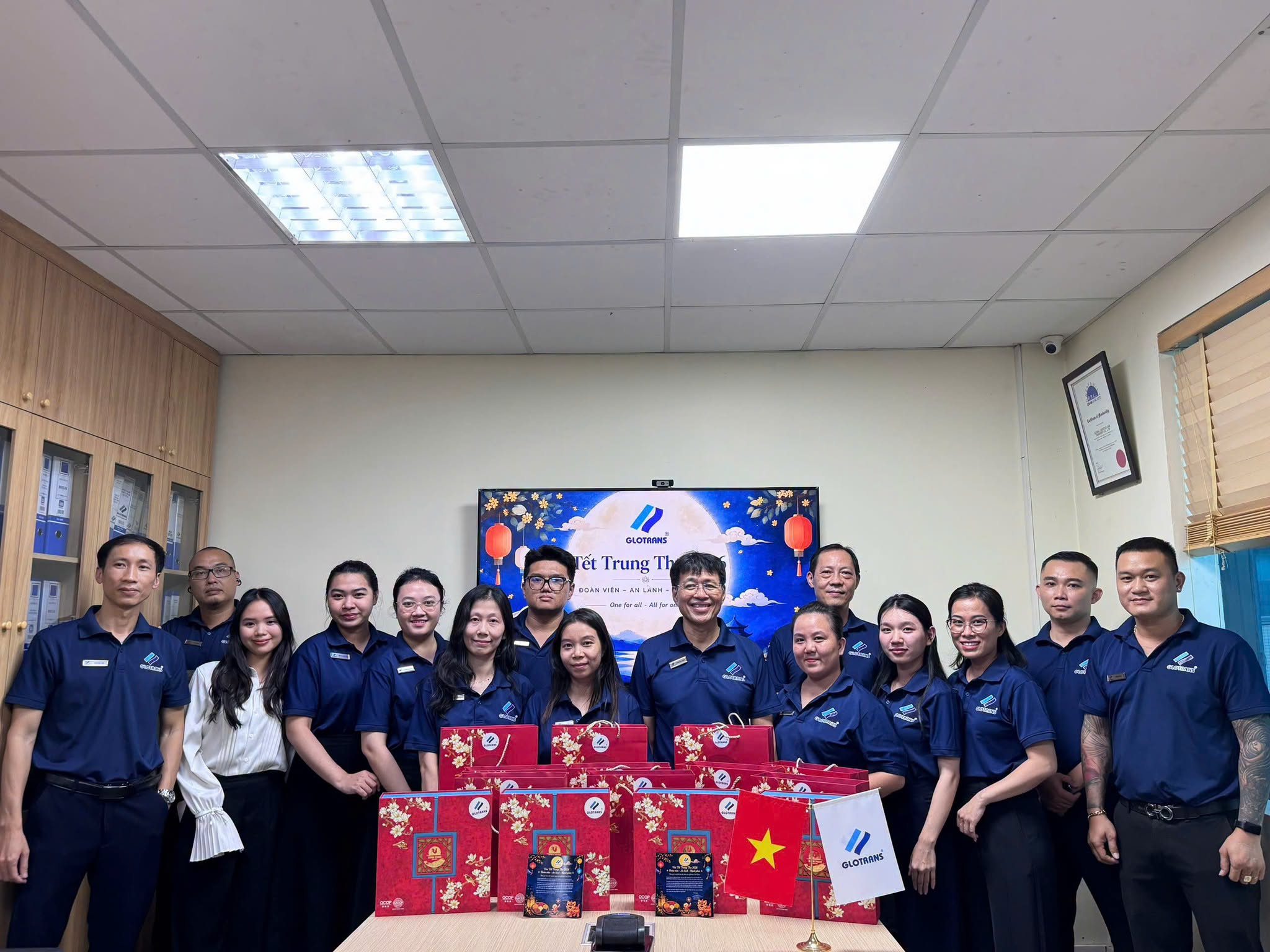
The Mid-Autumn Festival is not only a time for family reunions, but also a special occasion to share love, send warm wishes, and enjoy meaningful moments with our beloved colleagues.
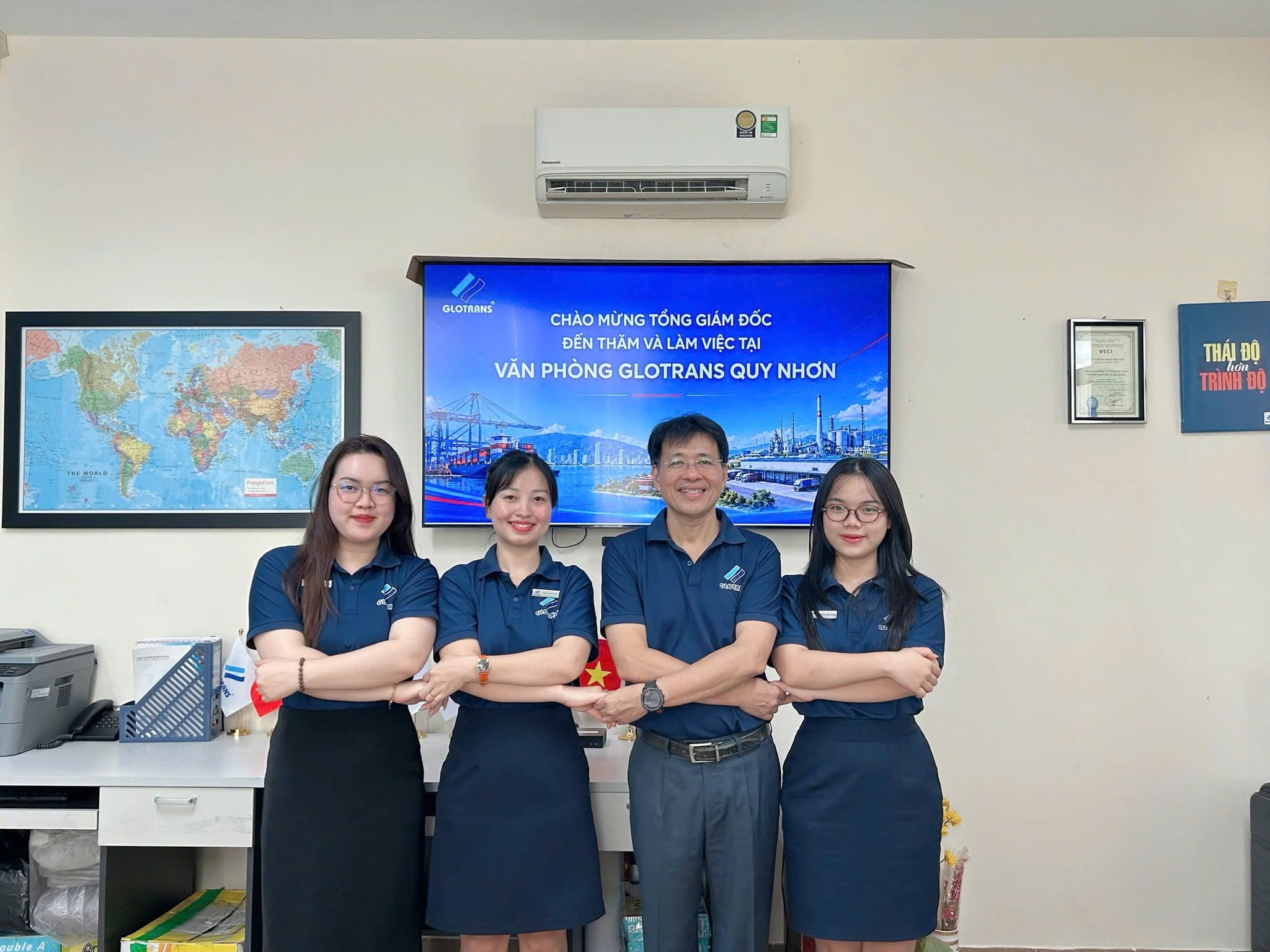
Over the past few days, GLOTRANS’s General Director has been traveling between offices, from Da Nang to Quy Nhon, to personally attend meetings reviewing the business performance of the first six months of the year, assess each office’s operations, and work with the teams to set goals for the next stage.
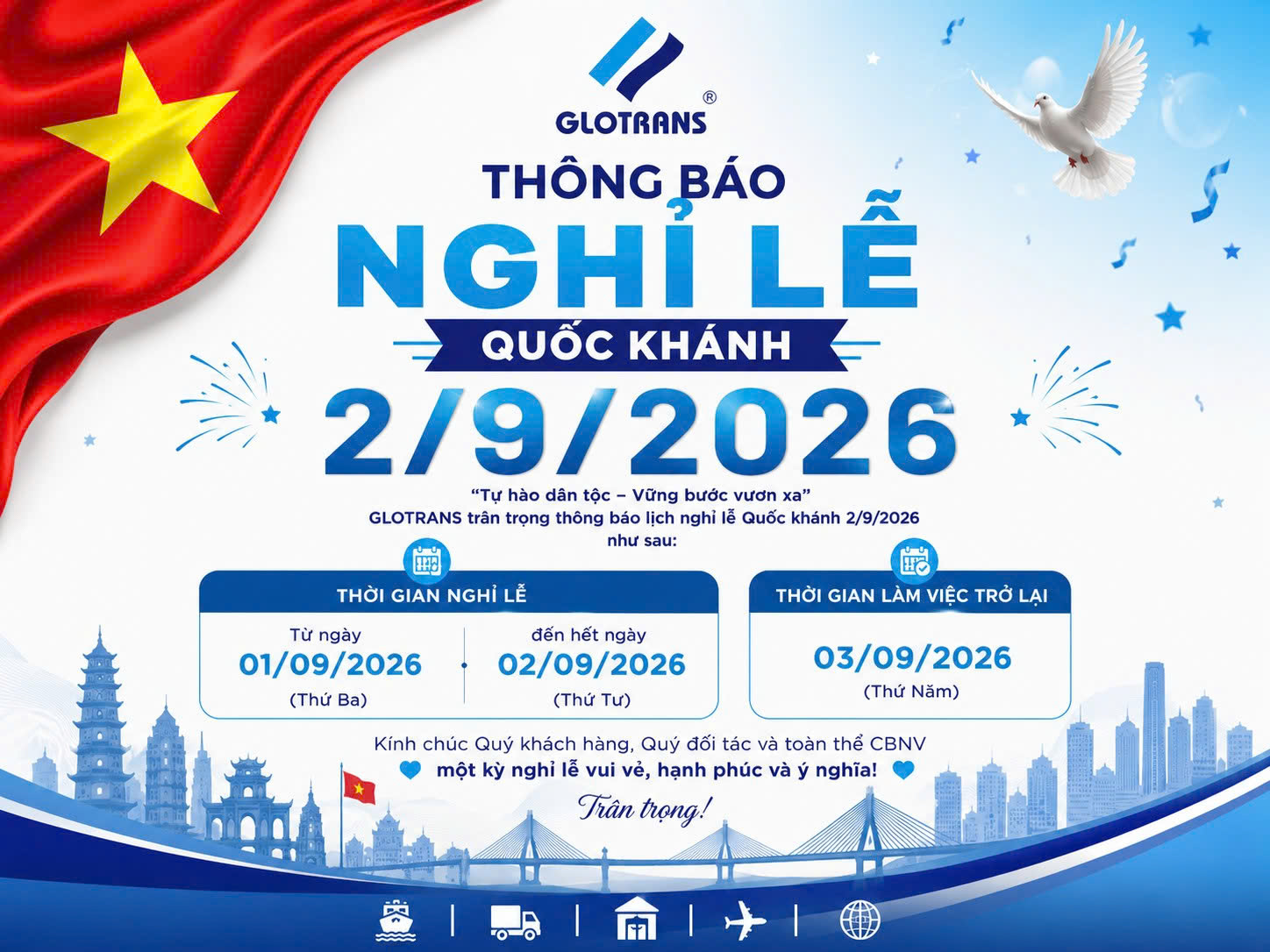
GLOTRANS would like to inform our Valued Customers and Partners of our holiday schedule for Vietnam’s National Day (2 September 2026) as follows:
Company T (Plaintiff – the Insured) entered into an insurance contract with Company B (Defendant – the Insurer). After the insured event occurred, the Insurer alleged that the Insured had violated its obligation to prevent and mitigate losses. The Arbitral Tribunal acknowledged that such an obligation exists but concluded that the Insured did not breach it.
Under the insurance contract, the premium was to be paid in three installments, and in all three, the insured party was late in payment. When a dispute arose, the insurer (Defendant) argued that the insurance contract had terminated before the insured event occurred due to the late premium payment and therefore refused to make an insurance payout. However, the Arbitral Tribunal held a contrary view.
Company Q (Plaintiff – the Insured) and Company B (Defendant – the Insurer) entered into an insurance contract. After an insured event occurred, the parties could not agree on the value of the loss and therefore conducted an assessment. The unilateral assessment conducted by the Insurer was not accepted, while the independent assessment was only partially recognized.