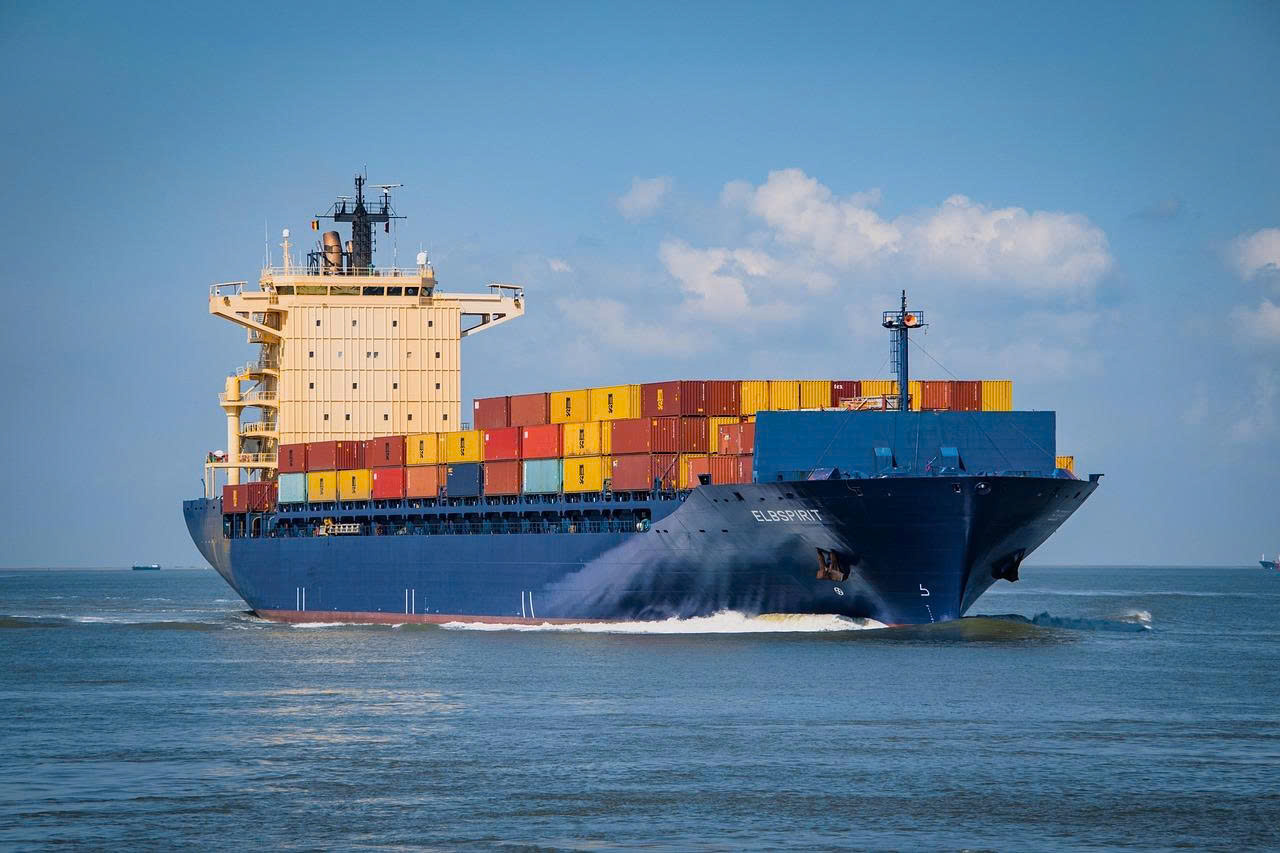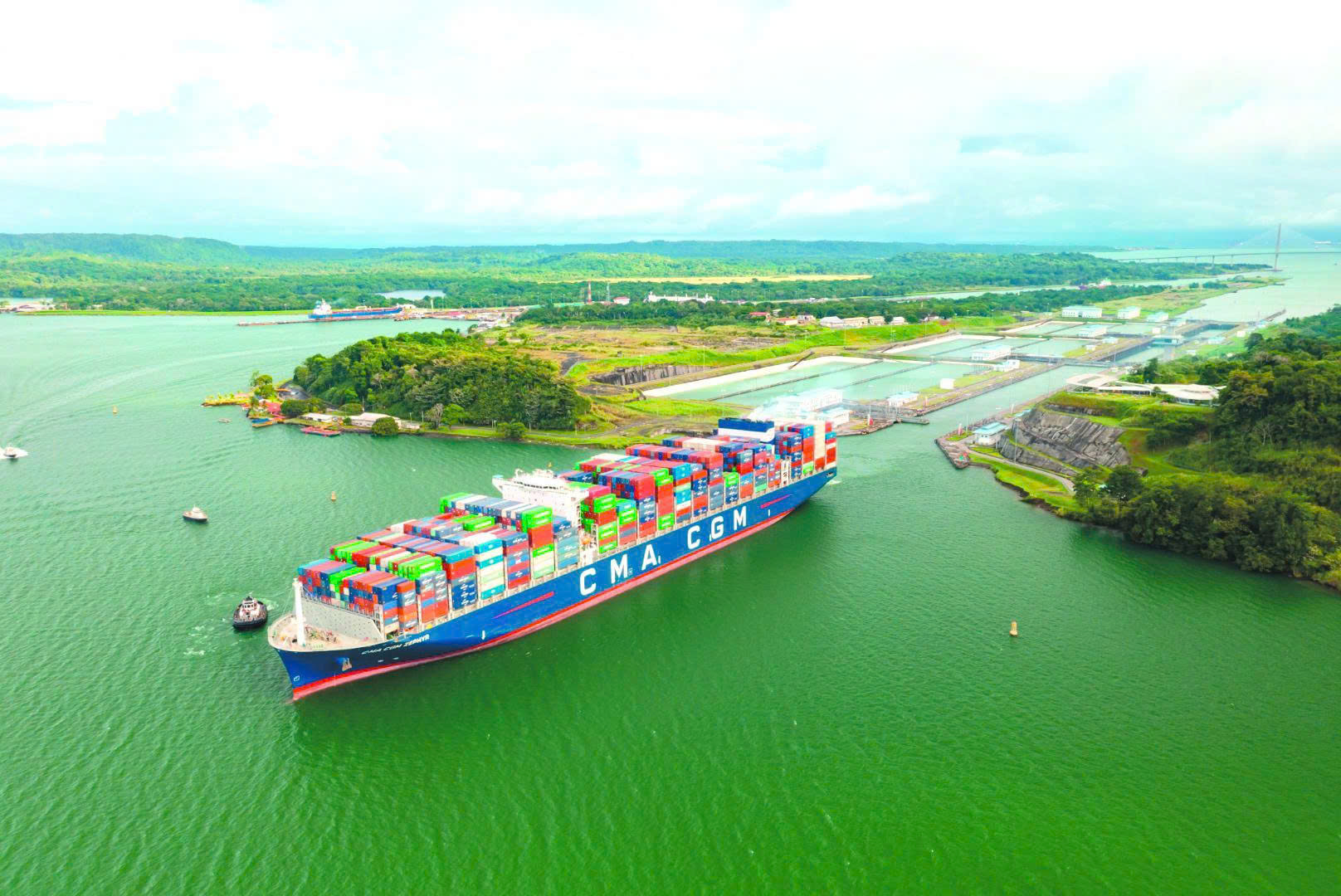
PANAMA CANAL TO FURTHER REDUCE DRAFT LIMIT FOR NEOPANAMAX VESSELS
The Panama Canal will further reduce the maximum allowable draft for Neopanamax vessels from late August 2026 as water levels in Gatun Lake continue to decline.

Case Summary:
Under the insurance contract, the premium was to be paid in three installments, and in all three, the insured party was late in payment. When a dispute arose, the insurer (Defendant) argued that the insurance contract had terminated before the insured event occurred due to the late premium payment and therefore refused to make an insurance payout. However, the Arbitral Tribunal held a contrary view.
Lessons Learned:
Ordinarily, an insurance contract will terminate, and no insurance liability will arise if the premium is not paid on time—unless the parties have agreed that the insured is allowed to defer payment (i.e., owe the premium).
According to Clause 1, Article 15 of the Law on Insurance Business regarding the Commencement of Insurance Liability, insurance liability arises when “the insurance contract has been concluded and the insured has fully paid the premium.” In addition, Circular No. 194/2014/TT-BTC dated December 17, 2014, which amends Circular No. 125/2012/TT-BTC, specifies in Article 2 that “if the insured fails to pay the full premium within the payment period stipulated in the contract, the insurance contract shall automatically terminate upon expiry of that payment period.” Based on these provisions, the insurer in this case relied on the late payment to deny liability for an insured event that occurred afterward.
However, the insurance law also allows an insurance contract to remain valid even in cases of delayed premium payment. Specifically, Clause 2, Article 15 of the Law on Insurance Business provides that insurance liability arises where “the insurance contract has been concluded and contains an agreement between the insurer and the insured on deferred payment of the premium.” This principle is reiterated in Clause 2, Article 32 of the same law, which states that “an insurance contract may terminate if the insured fails to pay or fails to timely pay the premium as agreed, unless otherwise agreed by the parties.” Therefore, if the parties have agreed on deferred payment, the insurer’s liability remains effective even when the premium has not yet been fully paid.
In this case, the Arbitral Tribunal confirmed that “the parties had agreed on deferred payment of the premium under Clause 32 of the Supplementary Terms and Conditions attached to the contract.”
Specifically, the parties agreed to pay the premium in multiple installments, under which the third installment (20% of the total premium) would be paid within 12 months from the contract signing date (March 1, 2014). Accordingly, the Tribunal determined that “the payment deadline for the third installment was March 1, 2015.” The Supplementary Terms further provided that “the maximum overdue period for deferred premiums is three months from the date the debt arises,” and also that “if this period is exceeded or if the insured fails to provide a debt confirmation statement within 10 days after the due date, Insurer X shall have the right to unilaterally cancel the insurance contract or certificate.”
Applying Article 21 of the Law on Insurance Business, which stipulates that “where an insurance contract contains unclear terms, such terms shall be interpreted in favor of the insured,” the Arbitral Tribunal determined that “the insurer’s right to unilaterally terminate the contract would arise on July 1, 2015 (the day after June 30, 2015), rather than on April 10, 2015.” The insured event, however, occurred earlier—in April 2015.
Moreover, the Tribunal found that the insurer “had never issued any notice or taken any action regarding unilateral termination of the insurance contract.” Therefore, it concluded that “as of April 18, 2015, when the insured event occurred, there were sufficient grounds to determine that the insurer still regarded the contract as valid and intended to continue its performance through payment of the third installment.” Accordingly, “the Tribunal accepted the Plaintiff’s claim and held the co-insurers liable for compensation.”
From this case, businesses can draw two key lessons:
The parties may agree on deferred premium payment (often subject to late-payment interest), and such an agreement allows the insurance contract to remain valid even when the premium is not paid on time.
When drafting deferred payment clauses, insurers should pay close attention to the wording to ensure clarity, as ambiguous terms will be interpreted in favor of the insured—as illustrated in this case.
Disclaimer:
This article is published for informational purposes only, intended as a reference for arbitrators, disputing parties, participants in arbitration proceedings, and those studying commercial arbitration. It does not represent or express any opinion or viewpoint of the Vietnam International Arbitration Center (VIAC). Any reference or citation by third parties to part or all of this article has no validity and is not acknowledged by VIAC.
Source: https://www.viac.vn/
The Panama Canal will further reduce the maximum allowable draft for Neopanamax vessels from late August 2026 as water levels in Gatun Lake continue to decline.
In modern logistics, delays are no longer viewed as mere inconveniences. They can result in significant financial losses, including reduced revenue, dissatisfied customers, increased warehousing costs, disrupted production schedules, and damaged business reputation
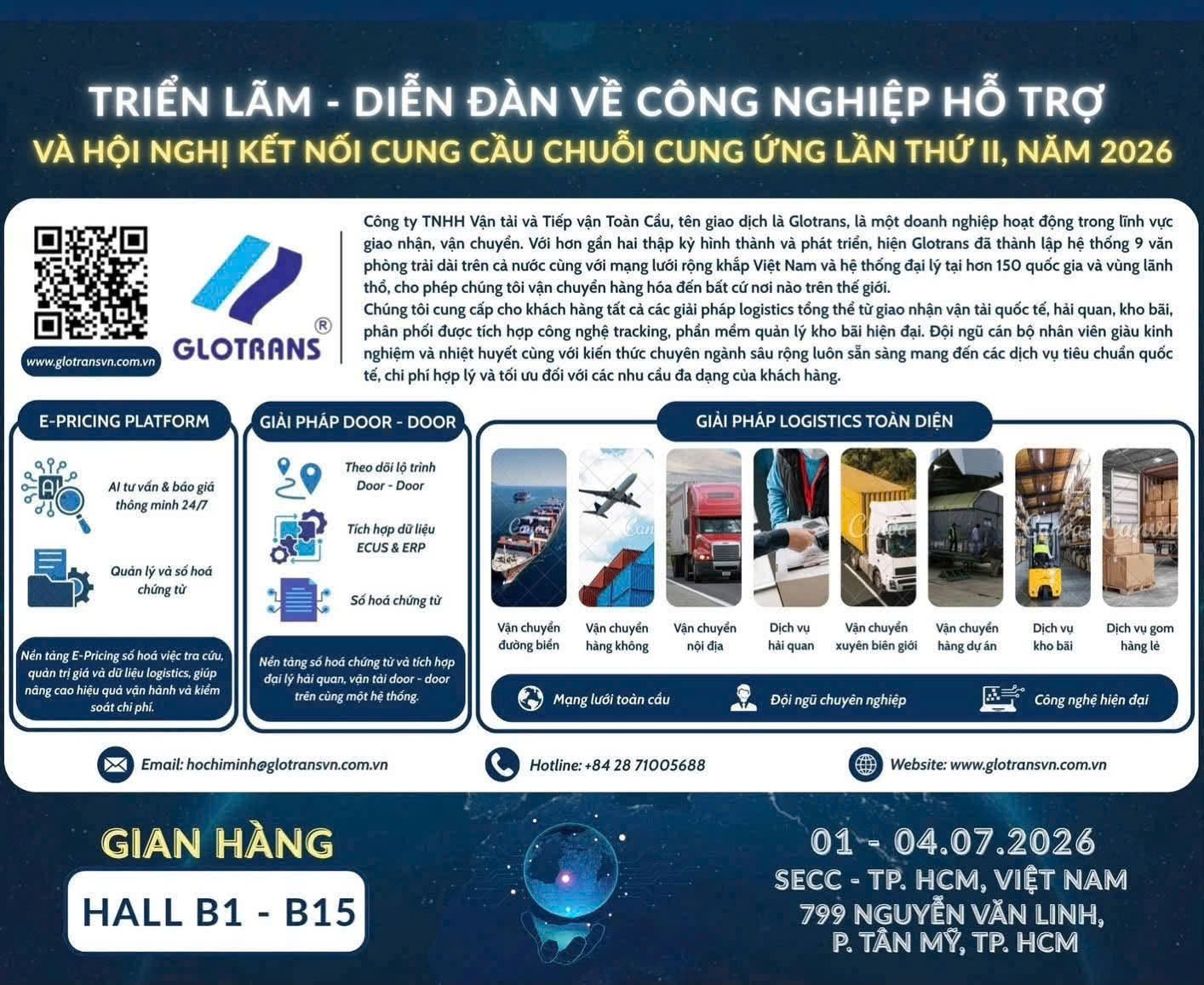
From July 1–4, 2026, Glotrans is participating in MTA Vietnam 2026, one of Vietnam's leading international exhibitions for precision engineering, manufacturing, and supporting industries, held at the Saigon Exhibition and Convention Center (SECC), Ho Chi Minh City.
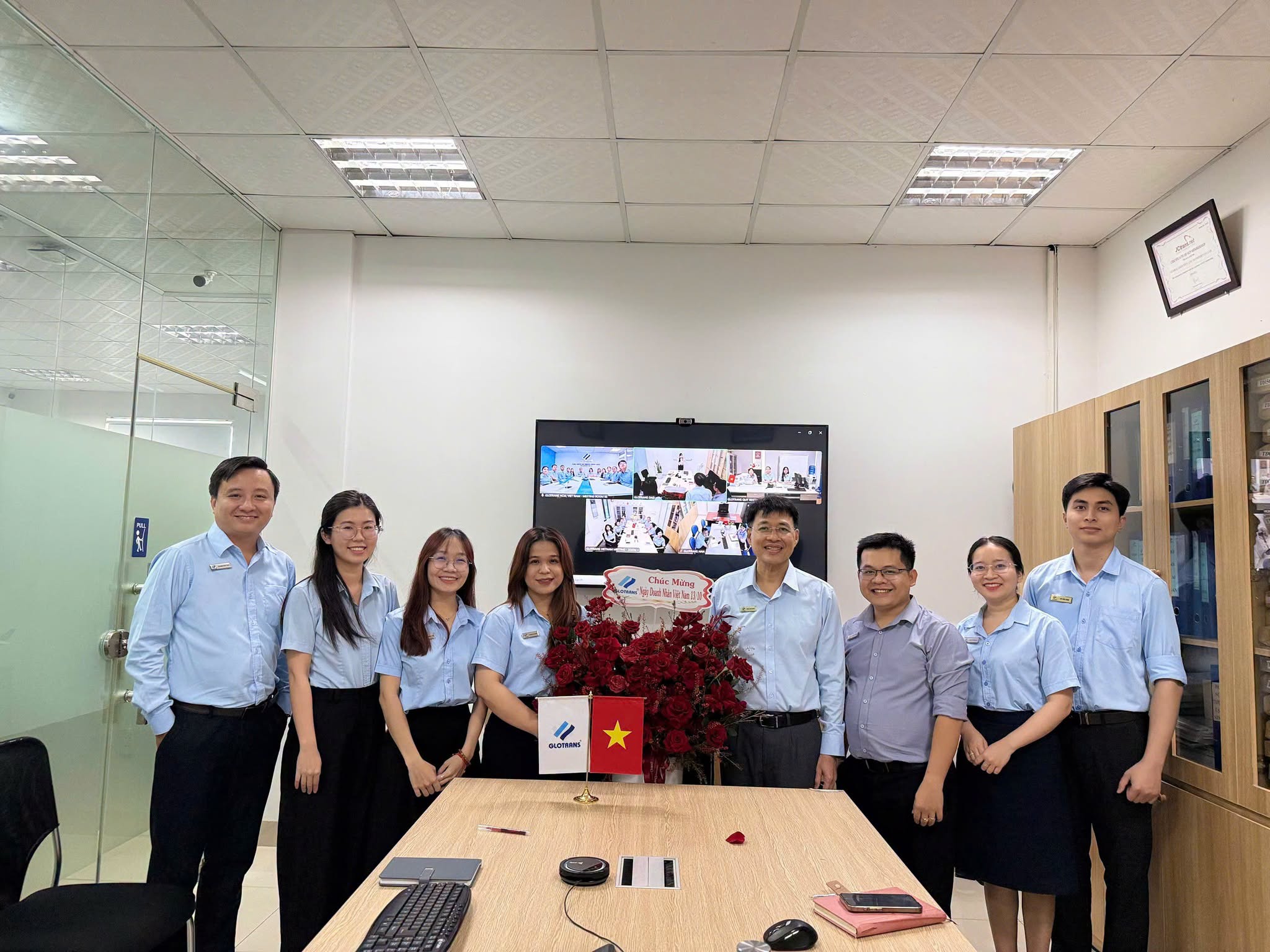
Vietnamese Entrepreneurs’ Day, celebrated on October 13, is an occasion to honor the contributions of the business community to the country’s economic development, while recognizing the resilience, innovative spirit, and ambition of those who lead businesses forward
The Mid-Autumn Festival is not only a time for family reunions, but also a special occasion to share love, send warm wishes, and enjoy meaningful moments with our beloved colleagues.
Over the past few days, GLOTRANS’s General Director has been traveling between offices, from Da Nang to Quy Nhon, to personally attend meetings reviewing the business performance of the first six months of the year, assess each office’s operations, and work with the teams to set goals for the next stage.
The shipment of food additives was transported in container No. FCIU3301688 (20’), under B/L MPRSMUM1806, on the voyage from Nhavasheva Port (India) to Dinh Vu Port (Hai Phong, Vietnam) on 29/04/2017.
Company T (Plaintiff – the Insured) entered into an insurance contract with Company B (Defendant – the Insurer). After the insured event occurred, the Insurer alleged that the Insured had violated its obligation to prevent and mitigate losses. The Arbitral Tribunal acknowledged that such an obligation exists but concluded that the Insured did not breach it.
Company Q (Plaintiff – the Insured) and Company B (Defendant – the Insurer) entered into an insurance contract. After an insured event occurred, the parties could not agree on the value of the loss and therefore conducted an assessment. The unilateral assessment conducted by the Insurer was not accepted, while the independent assessment was only partially recognized.