PANAMA CANAL TO FURTHER REDUCE DRAFT LIMIT FOR NEOPANAMAX VESSELS
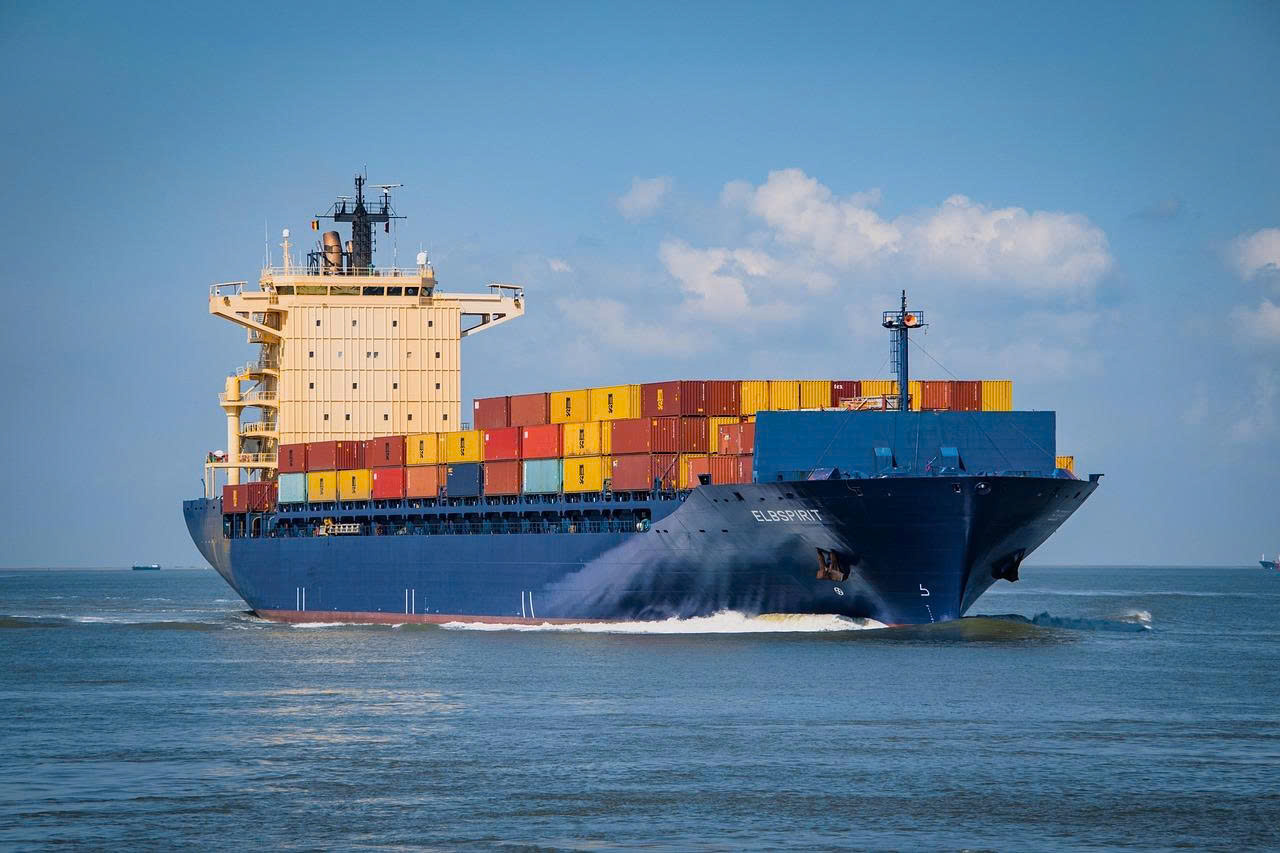
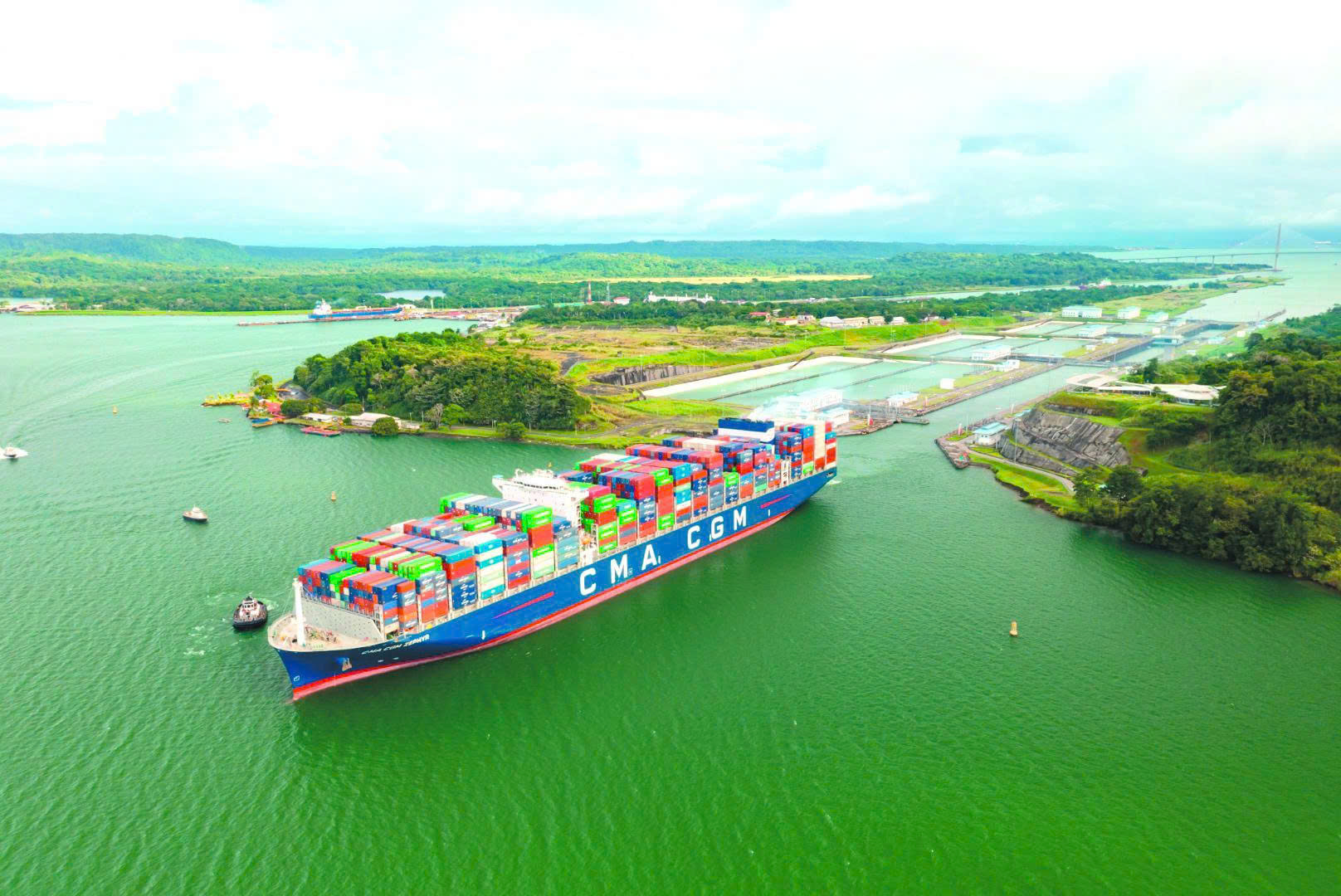
The Panama Canal will further reduce the maximum allowable draft for Neopanamax vessels from late August 2026 as water levels in Gatun Lake continue to decline.
In recent years, “logistics digital transformation” has become a familiar buzzword across industry forums. Yet inside many day-to-day operations, the reality remains mixed: different software for different functions, heavy reliance on Excel and phone calls, and data trapped within departmental silos.
Meanwhile, customers—especially FDI manufacturers and global buyers—are raising the bar for real-time connectivity, transparent reporting, and end-to-end traceability. The gap between “digital ambition” and “true digital capability” is increasingly becoming a key divider among Vietnam’s logistics providers.
Today’s reality: Many tools, limited interoperability
Vietnam hosts tens of thousands of logistics companies, most of them SMEs. Many have already invested in solutions such as TMS (transport management systems), WMS (warehouse management systems), e-customs, and basic shipment tracking—but often in separate waves and for isolated functions. Transport may run on one system, warehousing on another, while sales and customer service rely on CRM, chat tools, and spreadsheets.
This approach can solve immediate pain points, but it creates “data islands”: each department holds a different version of the truth, consolidated reporting is slow, and management lacks a full picture of chain performance. When disruptions hit—vessel delays, traffic congestion, container shortages, booking changes—teams spend valuable time collecting and reconciling information across systems, reducing their ability to respond proactively.
Global direction: From task-level digitization to platform integration
Globally, the industry is shifting from digitizing individual steps to connecting entire ecosystems. Ports, carriers, airlines, 3PL/4PL providers, and shippers increasingly exchange real-time shipment status and capacity data through shared platforms and standardized interfaces. Once data flows are structured and timely, route optimization, inventory planning, and production adjustments become far more agile than in traditional workflows.
Integration pressure is also driven by regulatory requirements: national single windows, ASEAN single window mechanisms, electronic documents, and e-invoicing. Providers that lag in digitization—or cannot align with common data standards—risk being excluded from supply chains where speed, transparency, and compliance are non-negotiable.
From standalone TMS/WMS to an end-to-end chain platform
The fundamental difference between “digitization” and “digital transformation” lies in integration depth. TMS can improve dispatching and fleet efficiency, and WMS can strengthen inventory control—but if systems cannot communicate with each other and with external partners, they remain isolated building blocks.
An end-to-end integrated platform aims to connect the full journey—from order intake and booking, transport planning and dispatch, warehousing and customs clearance, to document tracking and payment. Each shipment carries a “digital record” across the lifecycle, while status updates are automatically pushed to relevant stakeholders based on permissions. This enables providers to track margins by customer, lane, and service type; detect anomalies earlier; and make decisions based on data rather than intuition.
Implementation roadmap: No shortcuts—build step by step
For most companies, true integration cannot be achieved through a single “big bang” rollout. A practical roadmap typically includes:
- Standardize internal data and processes: unify master data (customers, lanes, item codes), enforce input rules, clean historical records, and eliminate duplicate manual entries.
- Enable connectivity via API/EDI: integrate existing systems instead of adding new tools that create new internal barriers.
- Connect outward only when internal flows are stable: once internal data is consistent, companies can confidently integrate with customers, carriers, banks, and insurers
Leading players are also building control towers—digital operation centers where transport, warehouse, order, and documentation data are consolidated in real time. Beyond monitoring, control towers help teams propose alternatives during disruptions: switching routes, ports, modes, splitting shipments, or resequencing deliveries. This is often a stepping stone toward higher-value roles such as 4PL/LLP—acting as supply chain architects rather than pure transport or warehousing vendors.
Start with business pain points—not technology for its own sake
There is no universal template for logistics digital transformation. The right starting point typically comes from a simple question: where does the business hurt the most? Lack of cost control by lane? Slow customer visibility? High empty-mile ratios? Chronic warehouse congestion or stock imbalance? Each challenge points to a different priority sequence.
For companies still relying heavily on Excel and paper, implementing a solid baseline—standard TMS/WMS, e-invoicing, and a simple but reliable customer portal—can already deliver a major leap. Once the foundation is stable and data is structured, deeper integration becomes realistic and cost-effective.
People and ecosystem: The two missing pieces
Digital transformation is not only a technology program. Many initiatives fail not because the software is weak, but because teams are not trained, processes are not redesigned, or departments are unwilling to share data. Training, data-driven culture, and incentives to adopt new workflows should be treated as essential project components—not optional add-ons.
Finally, instead of trying to build everything in-house, logistics providers should choose the right ecosystem: industry-savvy tech partners, financial partners to support cash flow, and shared platforms (port communities, booking platforms, common tracking networks). At a broader level, nationwide digital logistics initiatives—if implemented consistently and opened to private participation—can become a strong catalyst for the entire sector.
Conclusion
Logistics digital transformation is not about buying more software; it is about changing how companies operate and make decisions across the supply chain. When data is connected end-to-end—from orders to documents, from warehouses to fleets, from ports to customers—companies gain a single source of truth, faster execution, and higher transparency. In an increasingly volatile global environment, transformation is no longer optional—it is a requirement for Vietnam’s logistics providers to scale, compete, and move up the value chain regionally.
The Panama Canal will further reduce the maximum allowable draft for Neopanamax vessels from late August 2026 as water levels in Gatun Lake continue to decline.
In modern logistics, delays are no longer viewed as mere inconveniences. They can result in significant financial losses, including reduced revenue, dissatisfied customers, increased warehousing costs, disrupted production schedules, and damaged business reputation
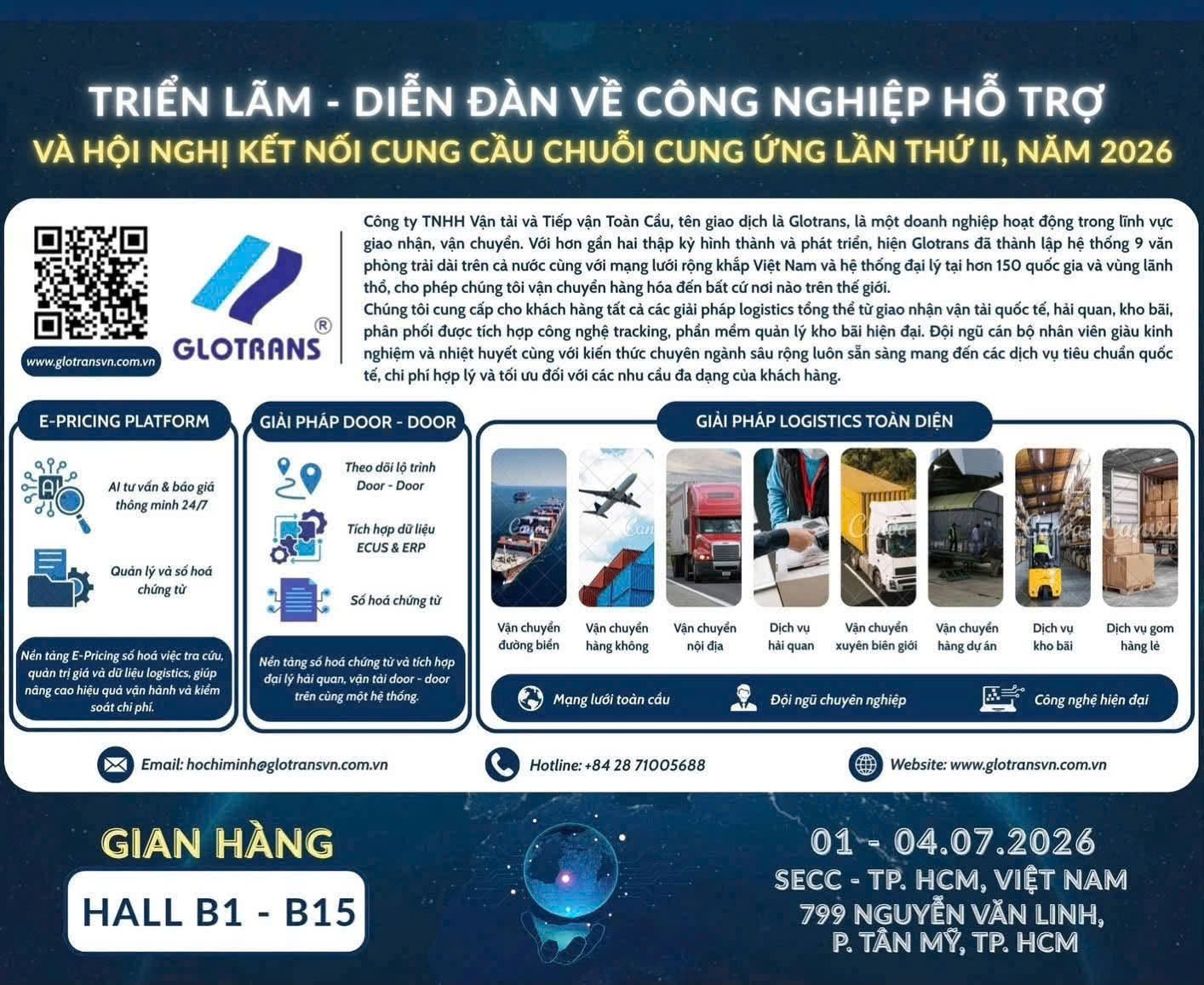
From July 1–4, 2026, Glotrans is participating in MTA Vietnam 2026, one of Vietnam's leading international exhibitions for precision engineering, manufacturing, and supporting industries, held at the Saigon Exhibition and Convention Center (SECC), Ho Chi Minh City.
In celebration of Vietnamese Women’s Day on October 20, Glotrans branches across the entire system have organized meaningful activities, creating a warm, joyful atmosphere and many memorable moments for female employees.
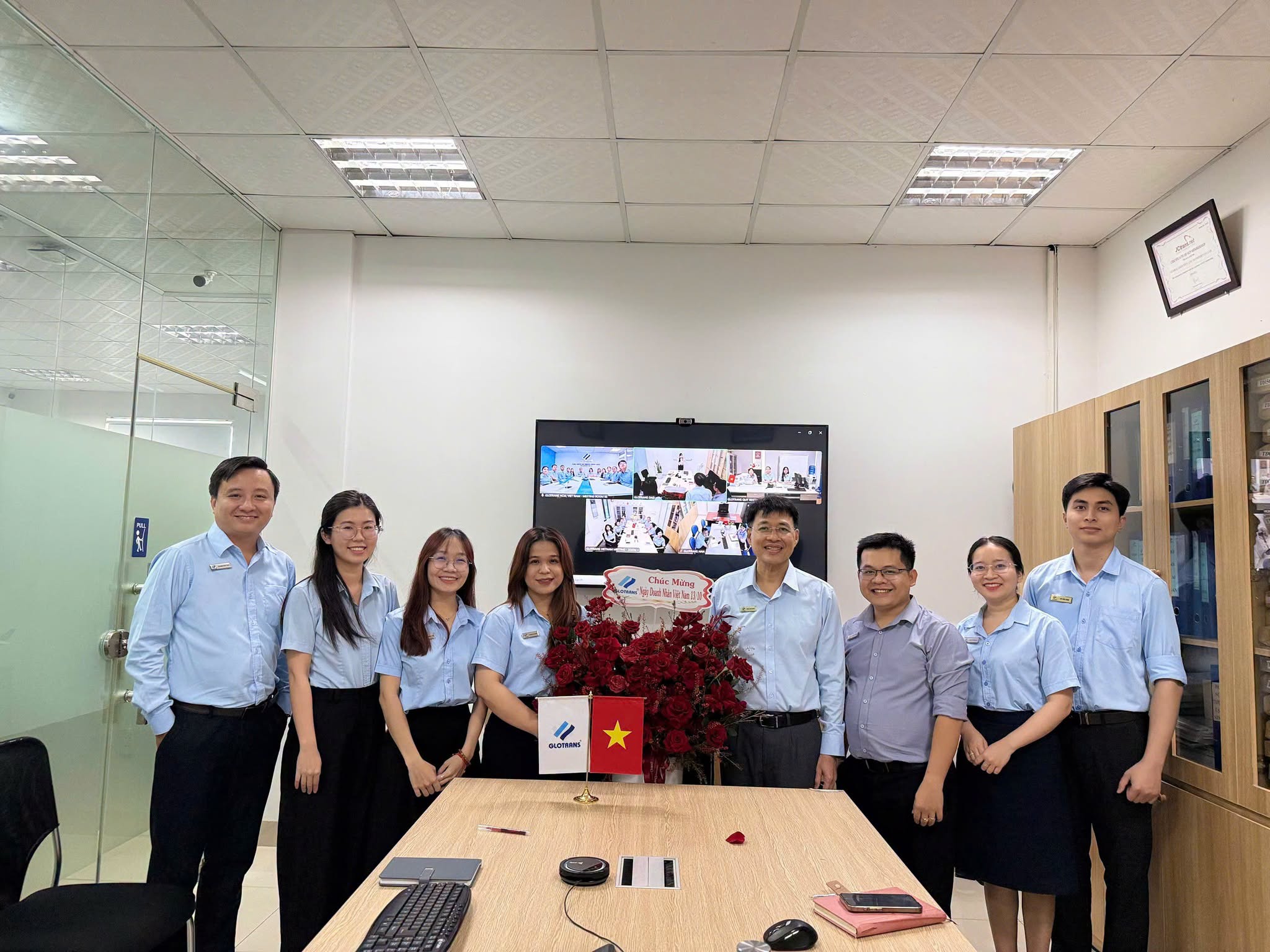
Vietnamese Entrepreneurs’ Day, celebrated on October 13, is an occasion to honor the contributions of the business community to the country’s economic development, while recognizing the resilience, innovative spirit, and ambition of those who lead businesses forward
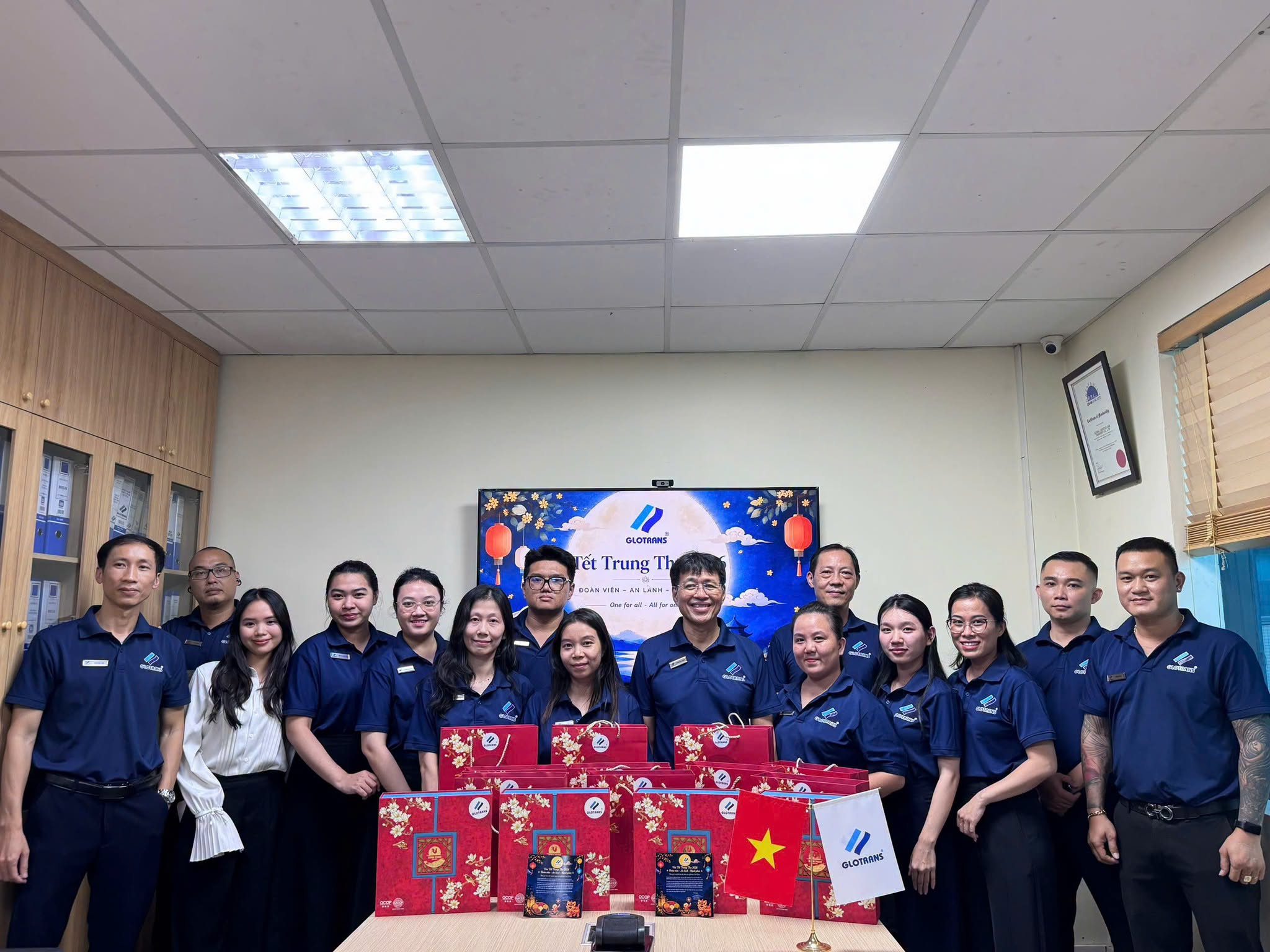
The Mid-Autumn Festival is not only a time for family reunions, but also a special occasion to share love, send warm wishes, and enjoy meaningful moments with our beloved colleagues.
The shipment of food additives was transported in container No. FCIU3301688 (20’), under B/L MPRSMUM1806, on the voyage from Nhavasheva Port (India) to Dinh Vu Port (Hai Phong, Vietnam) on 29/04/2017.
Company T (Plaintiff – the Insured) entered into an insurance contract with Company B (Defendant – the Insurer). After the insured event occurred, the Insurer alleged that the Insured had violated its obligation to prevent and mitigate losses. The Arbitral Tribunal acknowledged that such an obligation exists but concluded that the Insured did not breach it.
Under the insurance contract, the premium was to be paid in three installments, and in all three, the insured party was late in payment. When a dispute arose, the insurer (Defendant) argued that the insurance contract had terminated before the insured event occurred due to the late premium payment and therefore refused to make an insurance payout. However, the Arbitral Tribunal held a contrary view.