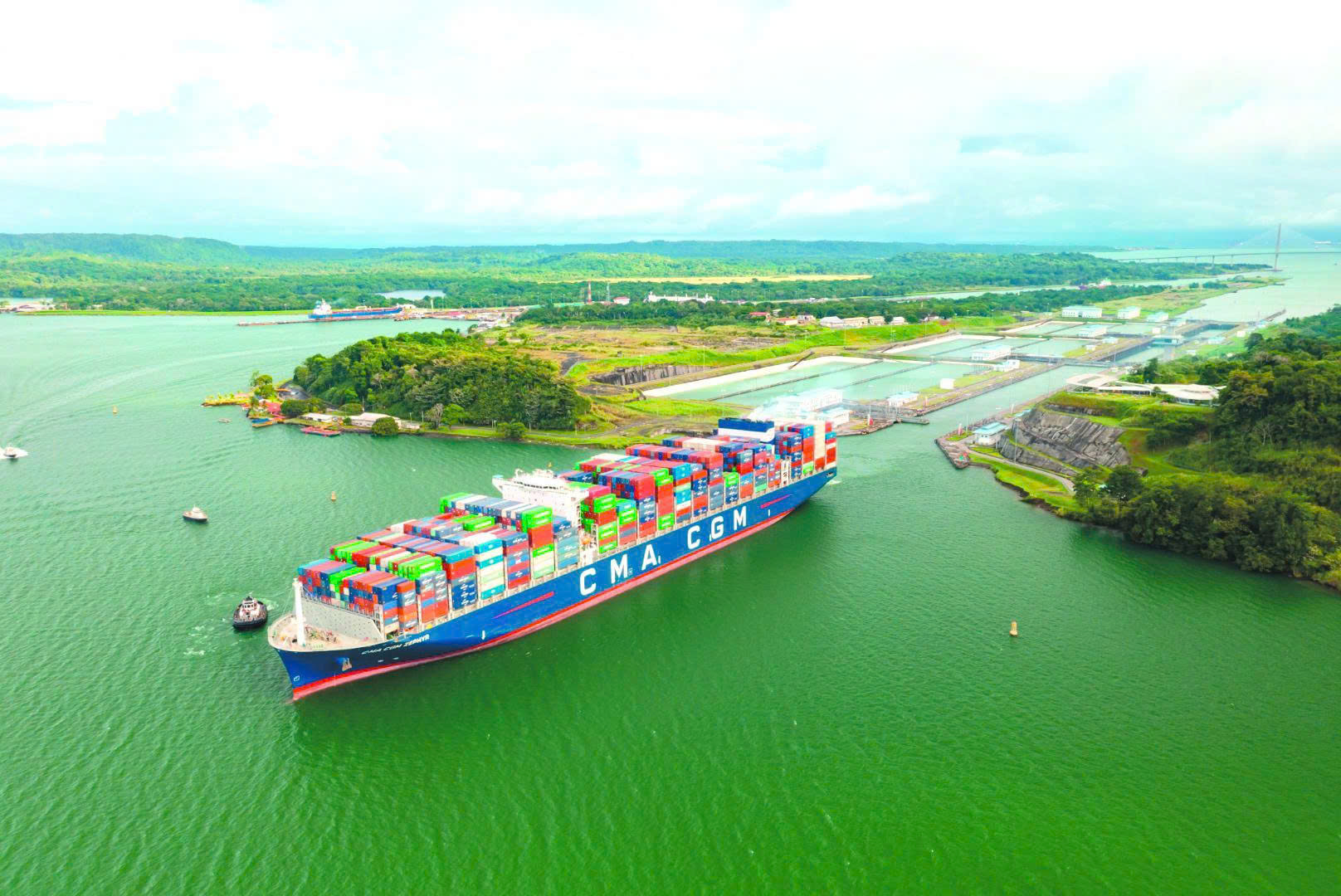
PANAMA CANAL TO FURTHER REDUCE DRAFT LIMIT FOR NEOPANAMAX VESSELS
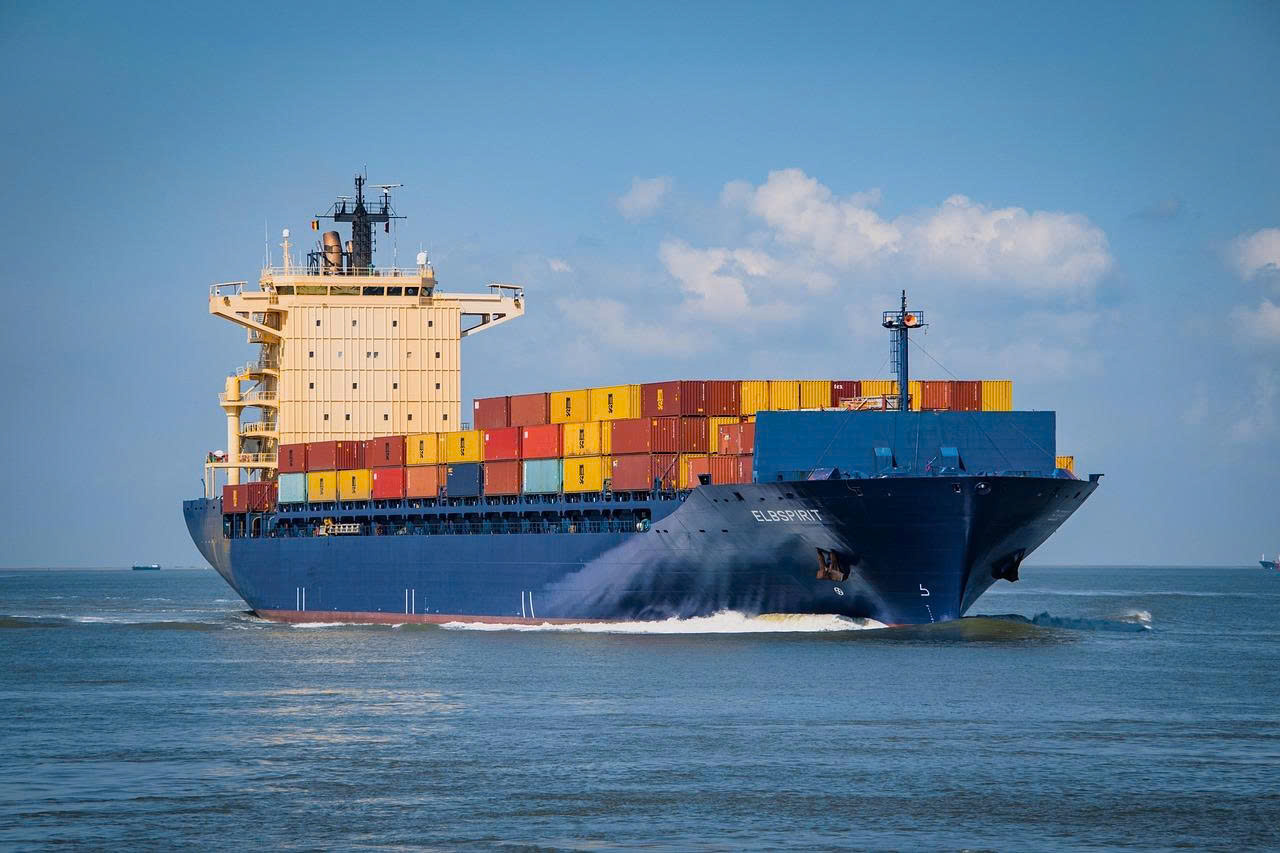
The Panama Canal will further reduce the maximum allowable draft for Neopanamax vessels from late August 2026 as water levels in Gatun Lake continue to decline.
Air cargo is heating up again in a very concrete way: speed is no longer just a company advantage—it is increasingly a national advantage. IATA recorded strong global air cargo growth and a record year in 2024, and in 2025 several months continued to set new highs in demand measured by CTK, suggesting this is not a short-lived surge.
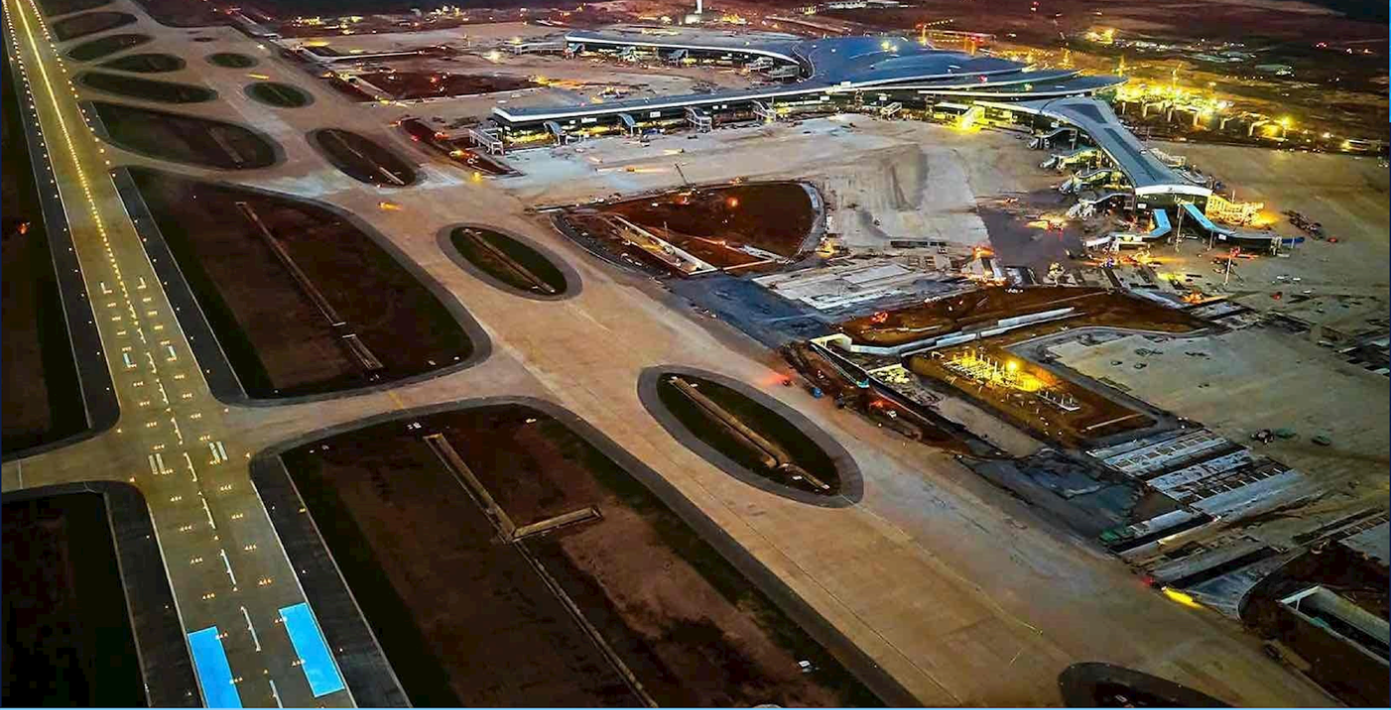
Within ASEAN, traditional hubs such as Singapore are reinforcing their role. Changi reported 1.99 million tons of airfreight throughput in 2024—an unmistakable reminder that the hub race is not about terminals alone, but about who controls time and reliability across the cargo-handling chain.
Long Thanh as an air logistics hub: what Vietnam is building
Recent official discussions increasingly position Long Thanh as an air logistics centerpiece. VietnamPlus is cited for ACV’s proposal to develop an air logistics center at Long Thanh, highlighting the integration of logistics with a bonded/free-trade (FTZ) area as a key lever toward a regional cargo hub objective.
On the “airlift capacity” layer, Vietnam News is cited saying Vietnam Airlines plans to convert some A321 aircraft for regional cargo services from Q4/2025, laying the groundwork for a dedicated cargo carrier expected in 2026. Airport infrastructure provides “static capacity”; fleets and network connectivity provide “dynamic capacity”—the factor that ultimately shapes hub rhythm and lane attraction.
On the “cargo demand” layer, cross-border e-commerce is emerging as a new volume engine with strict requirements on speed, traceability, and standardization. Vietnam News also notes the orientation to promote cross-border e-commerce so Vietnam can move toward becoming a regional e-commerce export center—“digital exports” that still depend on exceptionally fast, reliable physical logistics.
A three-layer strategy: operations, digital infrastructure, and compliance credibility
The article points to a clear lesson from modern hub models: a cargo hub cannot be separated from FTZ/bonded zones and sorting capability. But Vietnam faces an additional constraint: origin credibility and the risk of being labeled a transshipment route. Hence, a hub strategy needs a three-layer structure.
- Layer 1 – World-class operations: fast handling, stable slots for freighters, capabilities for cold chain/pharma/electronics, and time-definite performance for e-commerce. Changi’s 1.99 million tons is not just a headline—it reflects how operational excellence creates route pull.
- Layer 2 – Digital infrastructure: pre-declaration, data sharing, standardized documentation, and shipment traceability. “Smart” and “low-carbon” bonded hub designs underscore that digitization and process standardization are now core to hub competitiveness.
- Layer 3 – Compliance credibility: particularly on origin rules and anti-fraud controls. If major markets treat “origin laundering” as systemic risk, hub growth increasingly requires provable control—not as a trade-off against growth, but as the condition for sustainable expansion.
Conclusion: Building a hub is building an “operating system” for trade
Long Thanh should be seen as a platform connecting high-value cargo, cross-border e-commerce flows, and global transport networks. But for the platform to work, Vietnam must do two seemingly opposing things at once: accelerate cargo processing while tightening compliance standards. If it succeeds, Vietnam will gain more than a new airport—it will gain a new competitive edge in ASEAN’s cargo hub race.
Source: collect
The Panama Canal will further reduce the maximum allowable draft for Neopanamax vessels from late August 2026 as water levels in Gatun Lake continue to decline.
In modern logistics, delays are no longer viewed as mere inconveniences. They can result in significant financial losses, including reduced revenue, dissatisfied customers, increased warehousing costs, disrupted production schedules, and damaged business reputation
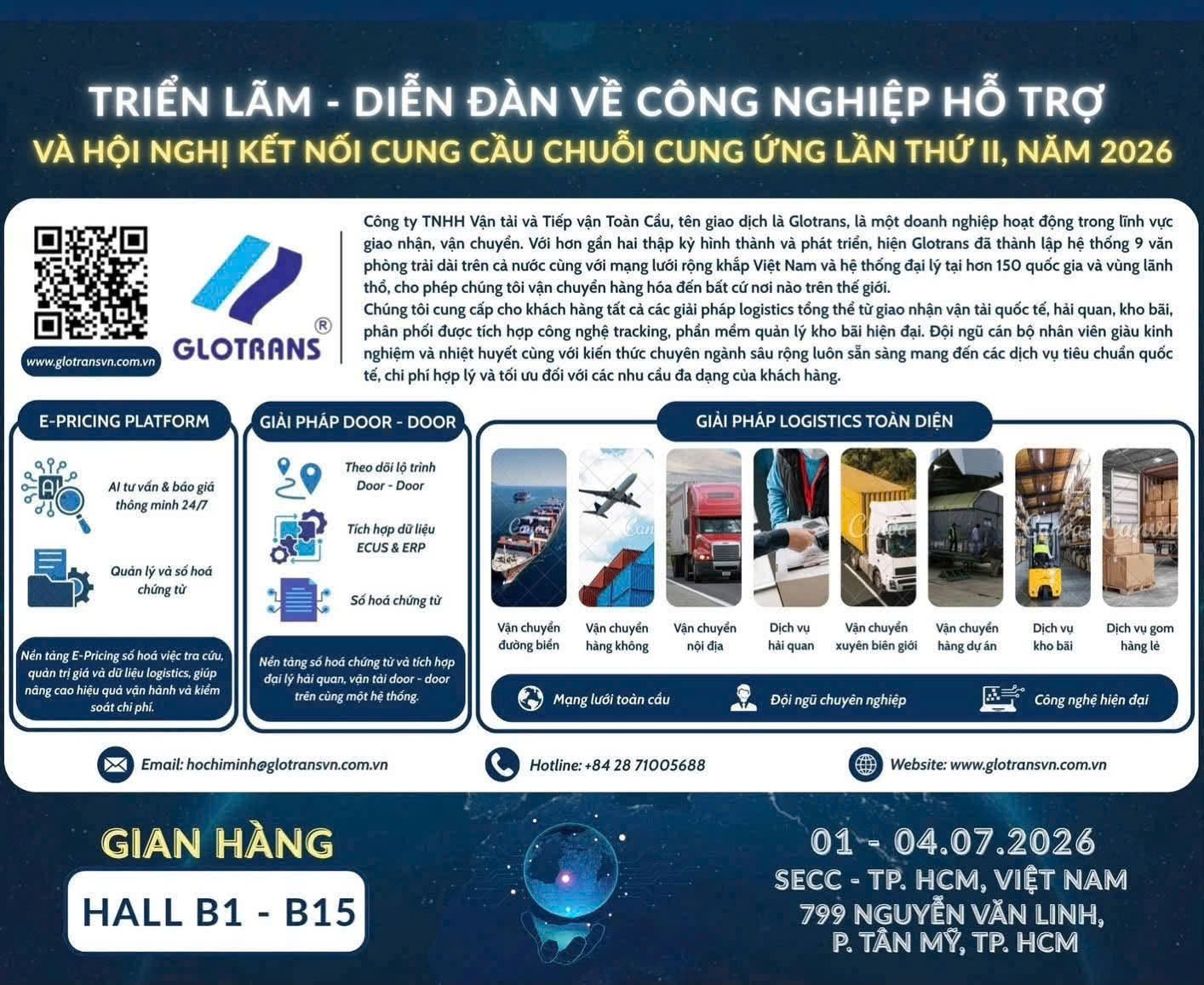
From July 1–4, 2026, Glotrans is participating in MTA Vietnam 2026, one of Vietnam's leading international exhibitions for precision engineering, manufacturing, and supporting industries, held at the Saigon Exhibition and Convention Center (SECC), Ho Chi Minh City.
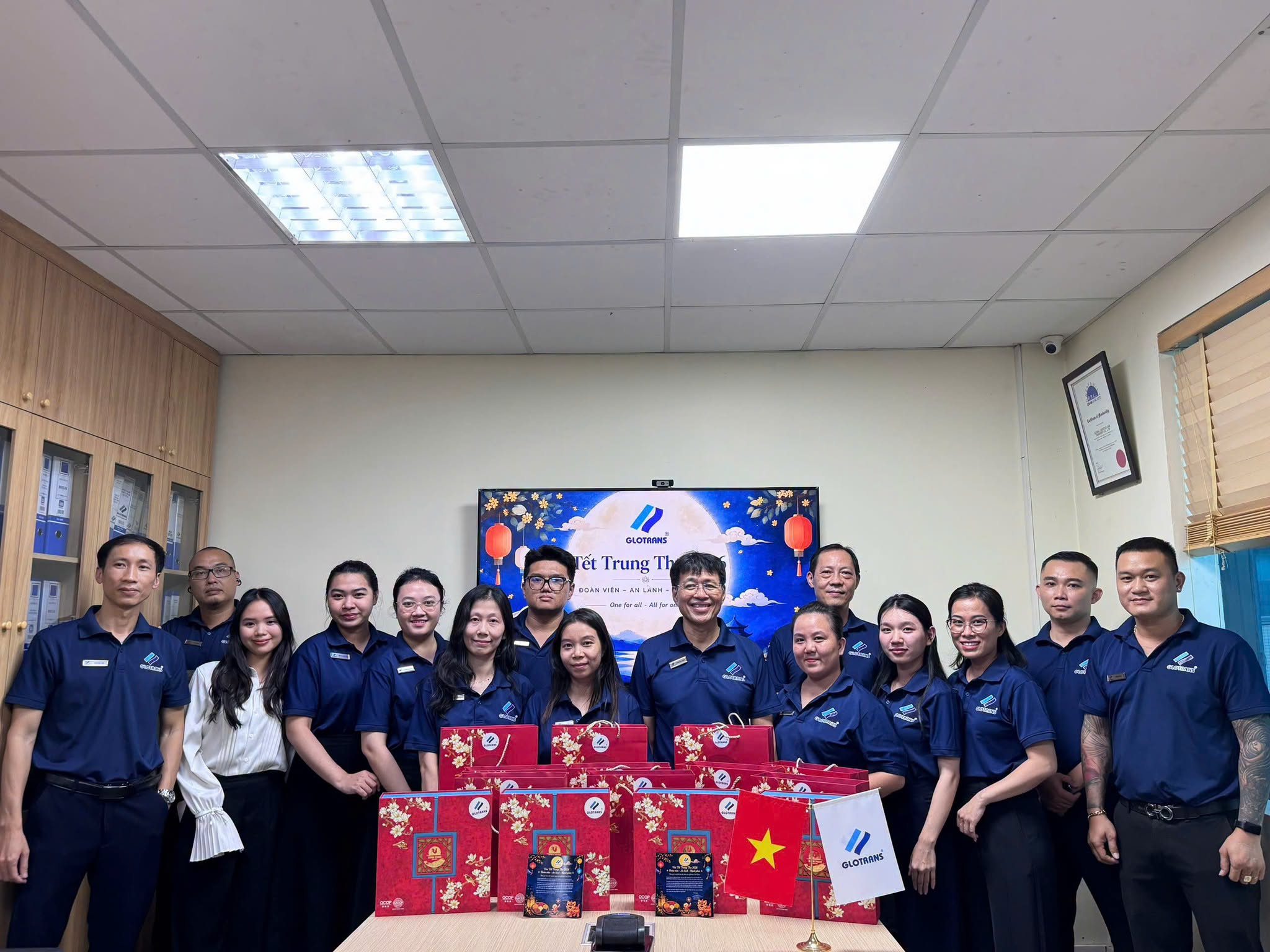
The Mid-Autumn Festival is not only a time for family reunions, but also a special occasion to share love, send warm wishes, and enjoy meaningful moments with our beloved colleagues.
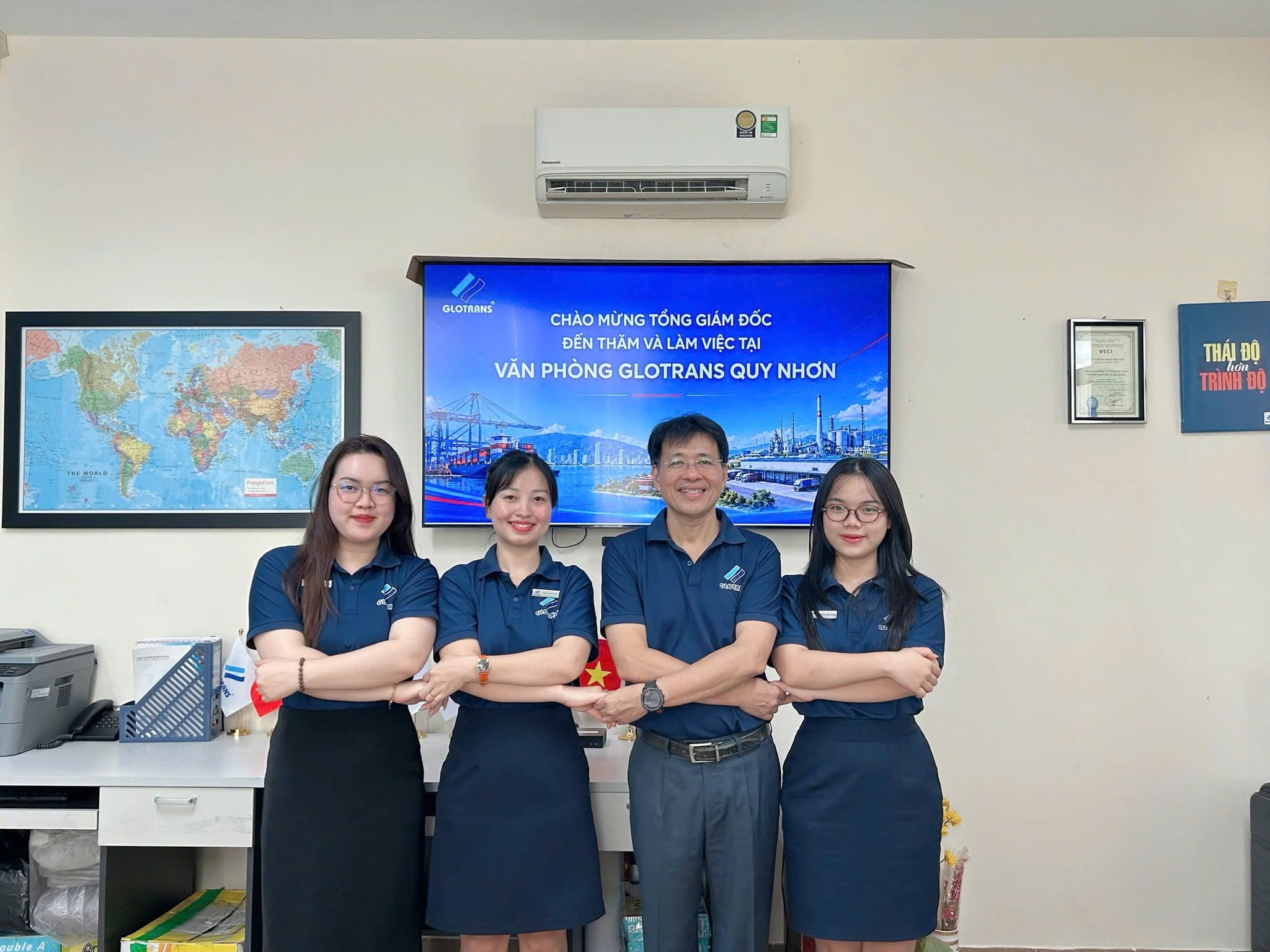
Over the past few days, GLOTRANS’s General Director has been traveling between offices, from Da Nang to Quy Nhon, to personally attend meetings reviewing the business performance of the first six months of the year, assess each office’s operations, and work with the teams to set goals for the next stage.
GLOTRANS would like to inform our Valued Customers and Partners of our holiday schedule for Vietnam’s National Day (2 September 2026) as follows:
The shipment of food additives was transported in container No. FCIU3301688 (20’), under B/L MPRSMUM1806, on the voyage from Nhavasheva Port (India) to Dinh Vu Port (Hai Phong, Vietnam) on 29/04/2017.
Company T (Plaintiff – the Insured) entered into an insurance contract with Company B (Defendant – the Insurer). After the insured event occurred, the Insurer alleged that the Insured had violated its obligation to prevent and mitigate losses. The Arbitral Tribunal acknowledged that such an obligation exists but concluded that the Insured did not breach it.
Under the insurance contract, the premium was to be paid in three installments, and in all three, the insured party was late in payment. When a dispute arose, the insurer (Defendant) argued that the insurance contract had terminated before the insured event occurred due to the late premium payment and therefore refused to make an insurance payout. However, the Arbitral Tribunal held a contrary view.