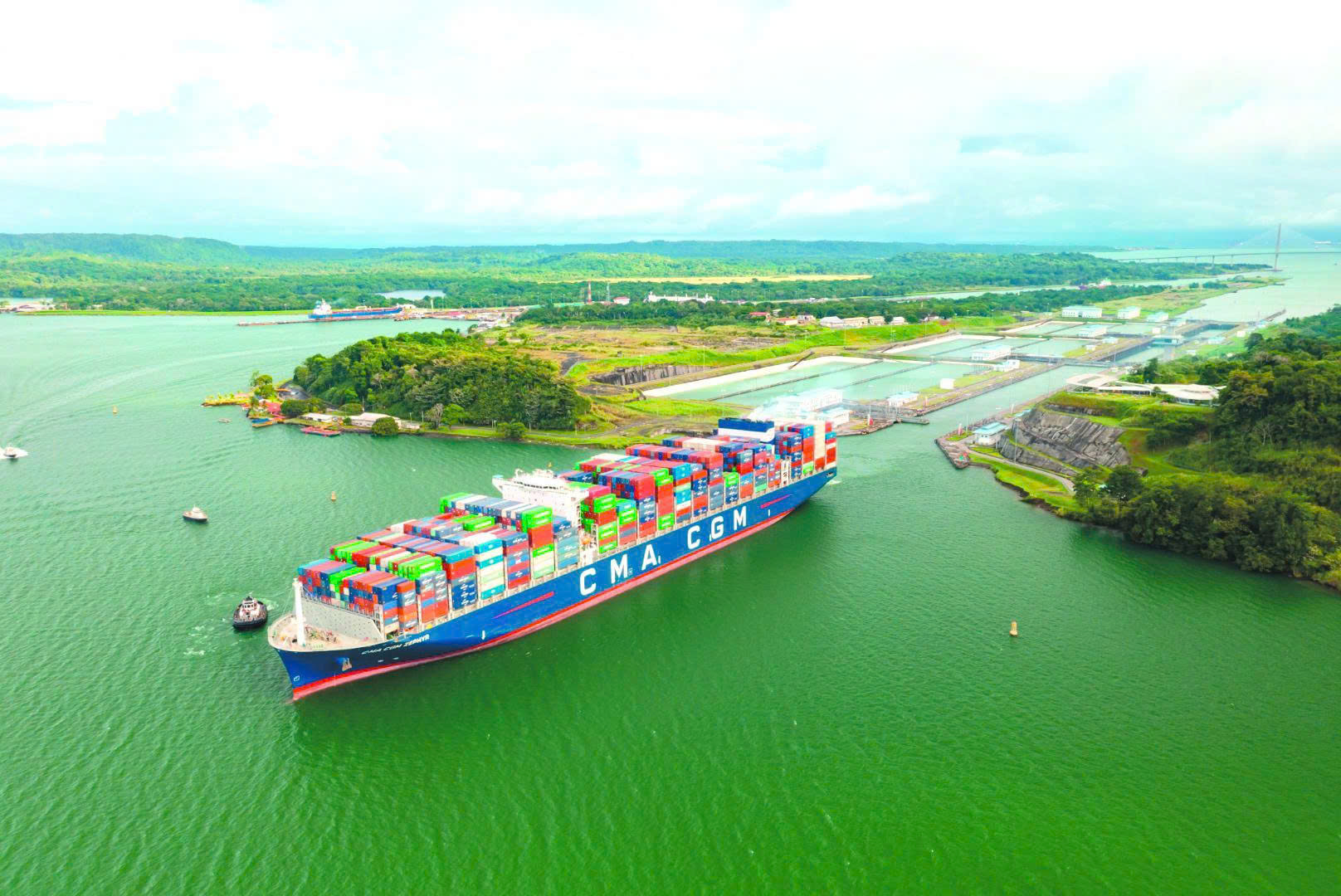
PANAMA CANAL TO FURTHER REDUCE DRAFT LIMIT FOR NEOPANAMAX VESSELS
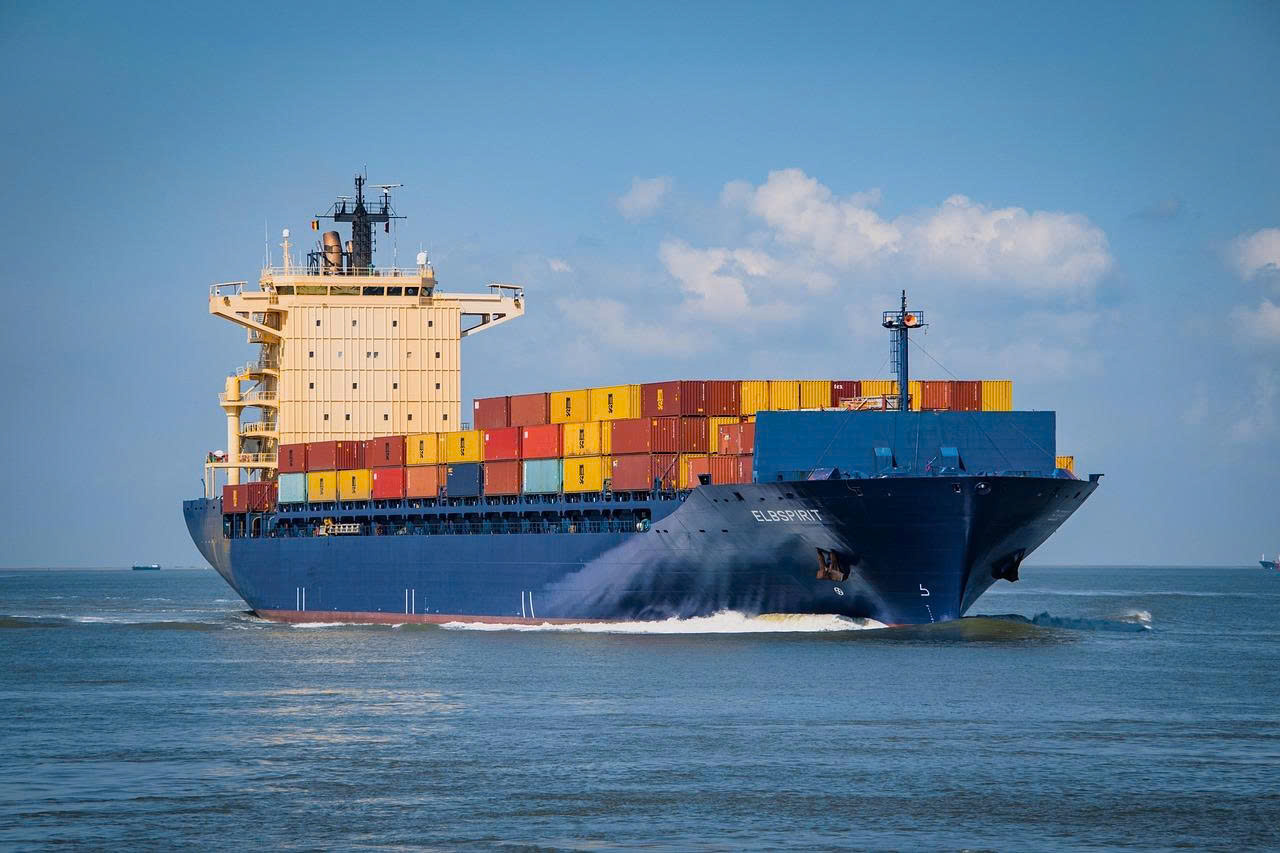
The Panama Canal will further reduce the maximum allowable draft for Neopanamax vessels from late August 2026 as water levels in Gatun Lake continue to decline.
With its advantageous geographical location and favorable natural conditions, Da Nang has long been recognized as one of the most livable cities in Vietnam. Beyond its strong development in tourism and high quality of life, Da Nang is also an attractive destination for domestic and international investors. With a deep-water seaport, an international airport, and its position as the terminal point of the East-West Economic Corridor, Da Nang possesses unique advantages to become a leading commercial and logistics hub in the region. In the context of economic integration, the establishment of a Free Trade Zone (FTZ) in Da Nang will serve as a powerful catalyst, driving the city's growth, attracting investment, andaccelerating the development of the logistics sector.
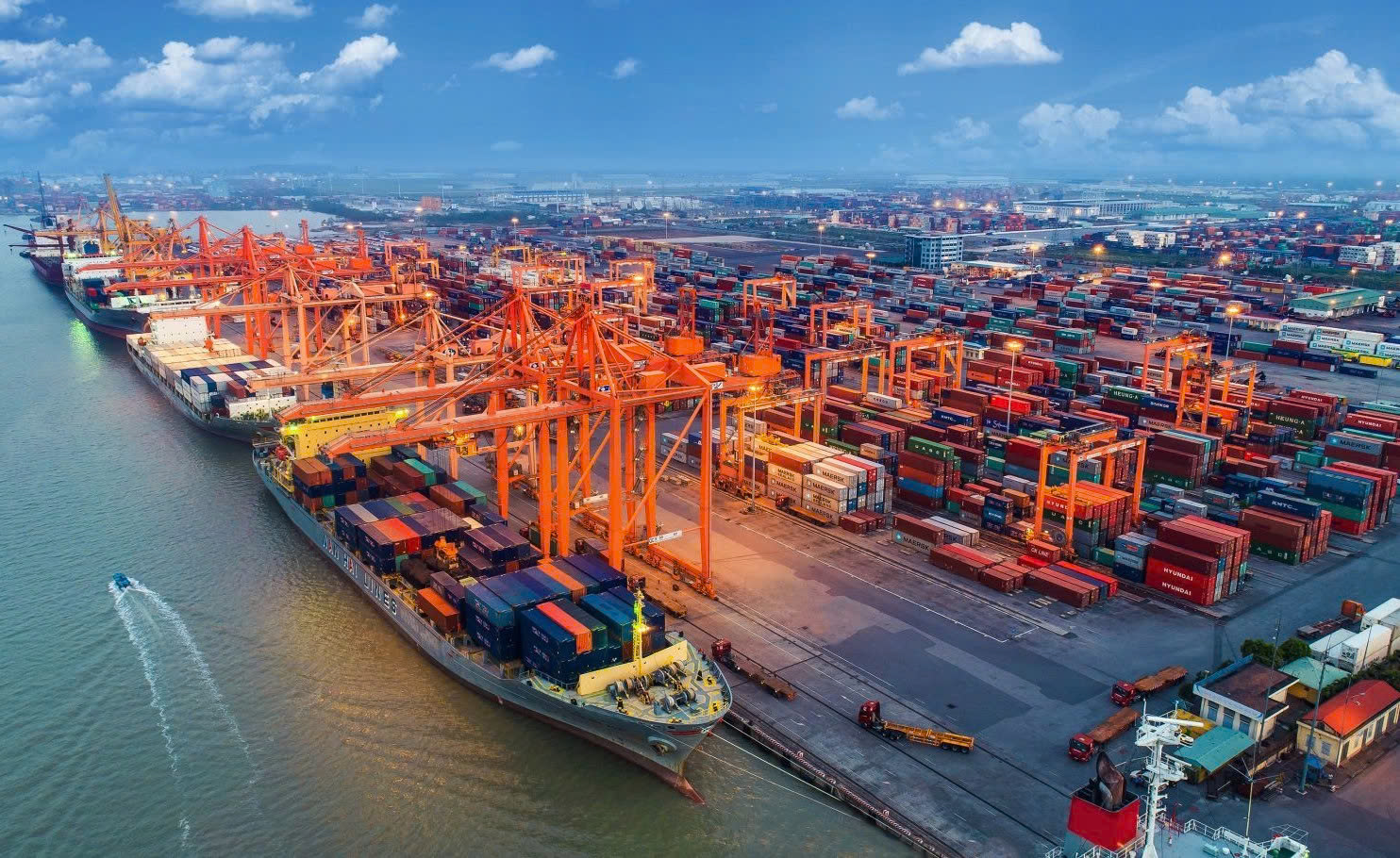 According to the "General Master Plan Adjustment for Da Nang City until 2030, with a Vision to 2045" and the "Da Nang City Planning for the 2021-2030 Period, with a Vision to 2050," the proposed FTZ in Da Nang is expected to be located in the northwestern part of the city. This strategic location is closely linked to Lien Chieu Port – one of the most crucial deep-water ports in Central Vietnam. Additionally, the area is already home to industrial parks and high-tech zones, providing a favorable environment for logistics and manufacturing activities.
The development of an FTZ in this area would transform northwest Da Nang into a modern transshipment and processing hub. Goods can be imported and stored without immediate tax obligations, allowing for further processing, assembly, or redistribution to other markets. This model has proven successful in many countries worldwide and is expected to bring significant benefits to Da Nang’s economy, including:
The Free Trade Zone (FTZ) in Da Nang will not only provide substantial benefits to logistics enterprises but also act as a key driver for the city’s economic development. The planning and implementation of the FTZ will be a crucial step in helping Da Nang attract investment, optimize supply chains, and solidify its position in international trade. This is a golden opportunity for the city to rise as one of Vietnam’s and the region’s leading logistics and trade hubs.
The Panama Canal will further reduce the maximum allowable draft for Neopanamax vessels from late August 2026 as water levels in Gatun Lake continue to decline.
In modern logistics, delays are no longer viewed as mere inconveniences. They can result in significant financial losses, including reduced revenue, dissatisfied customers, increased warehousing costs, disrupted production schedules, and damaged business reputation
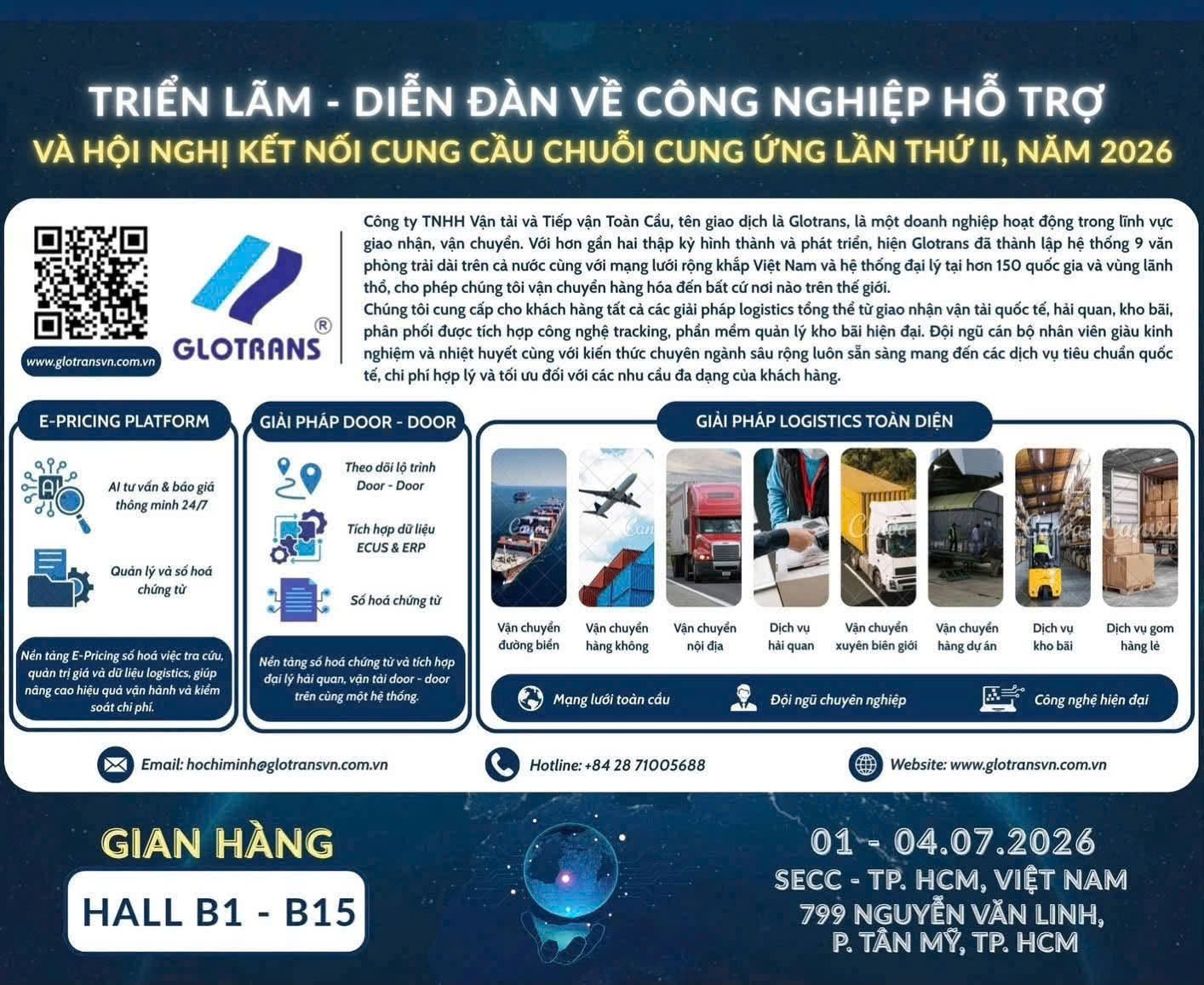
From July 1–4, 2026, Glotrans is participating in MTA Vietnam 2026, one of Vietnam's leading international exhibitions for precision engineering, manufacturing, and supporting industries, held at the Saigon Exhibition and Convention Center (SECC), Ho Chi Minh City.
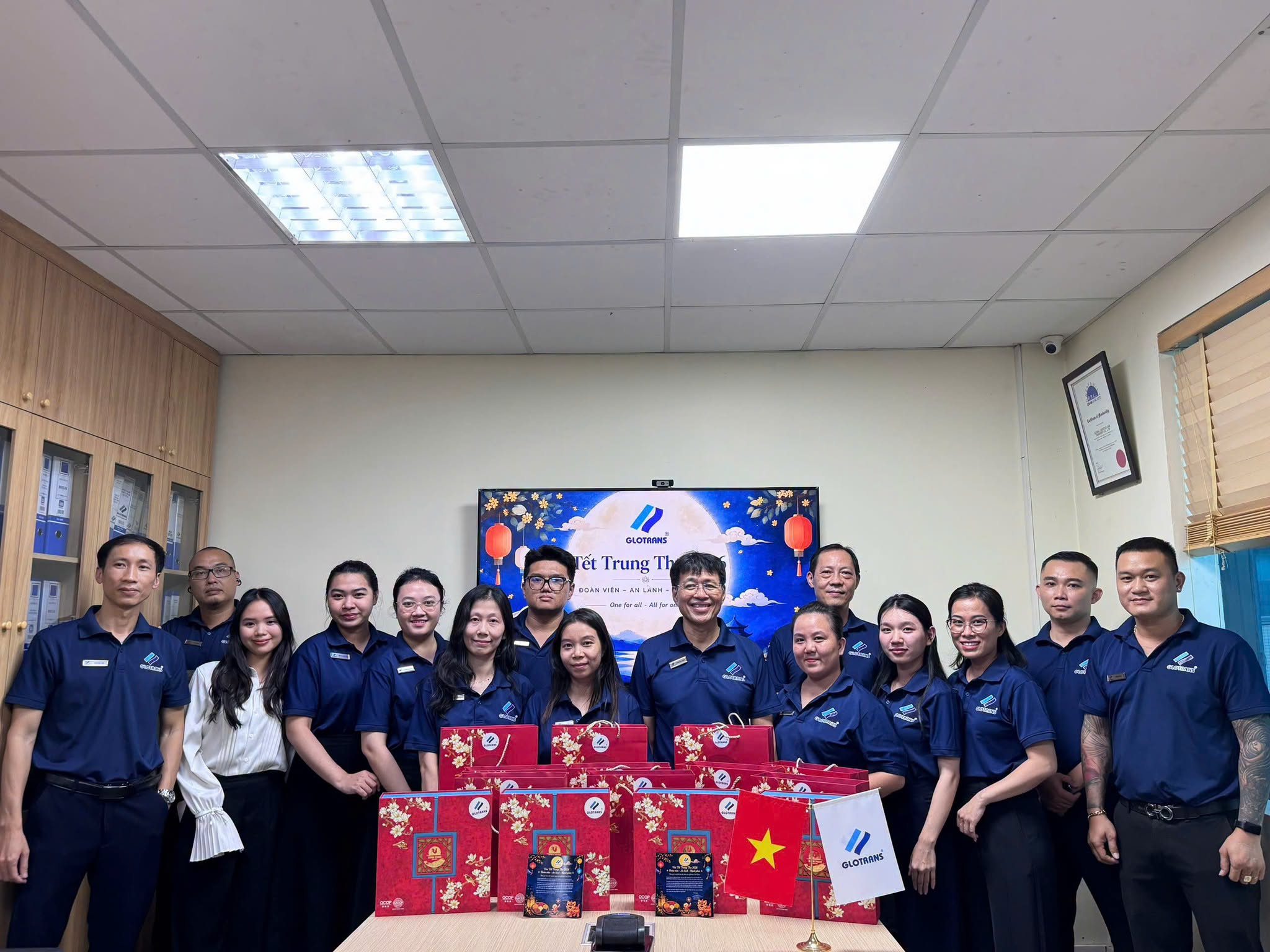
The Mid-Autumn Festival is not only a time for family reunions, but also a special occasion to share love, send warm wishes, and enjoy meaningful moments with our beloved colleagues.
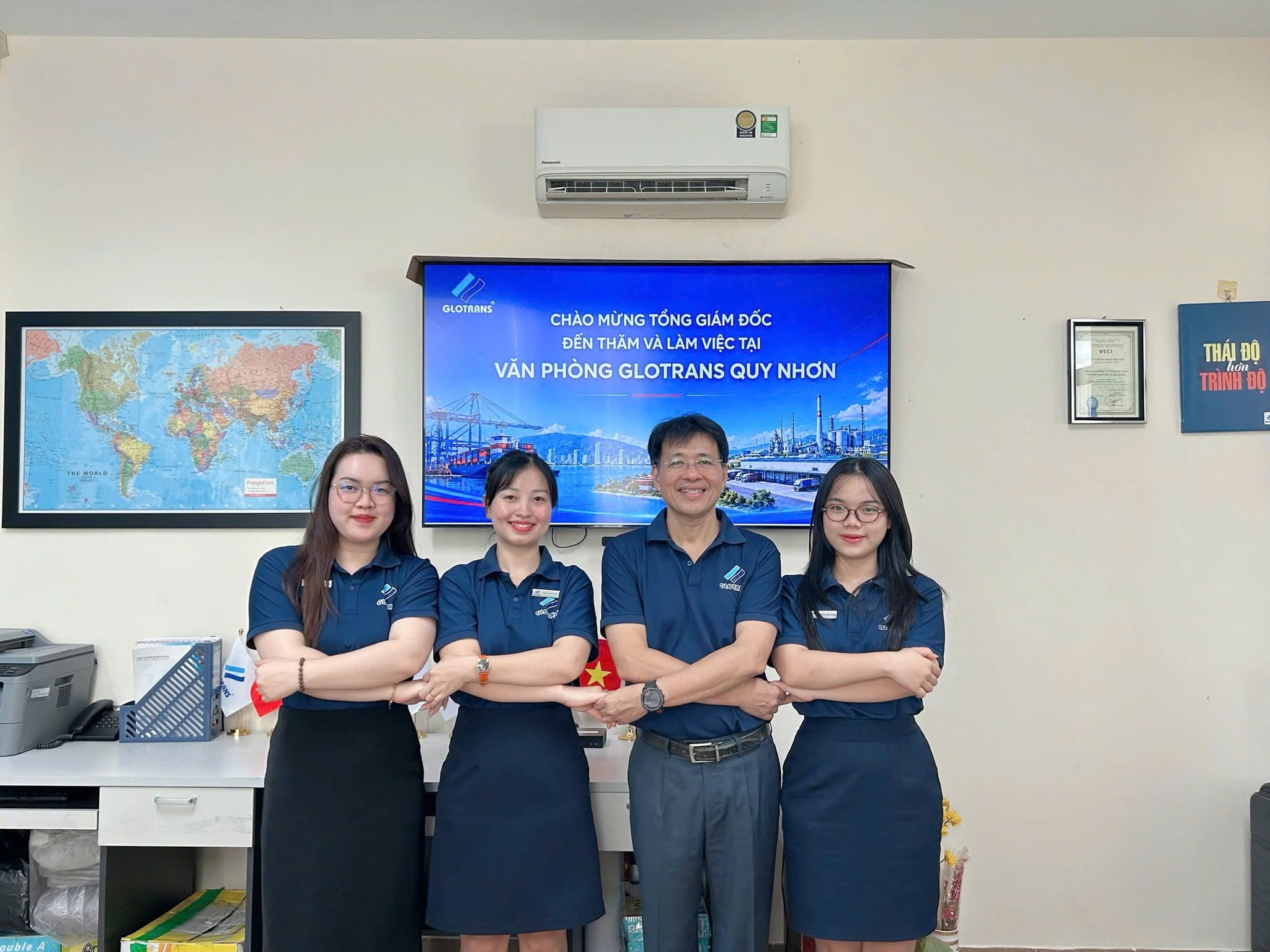
Over the past few days, GLOTRANS’s General Director has been traveling between offices, from Da Nang to Quy Nhon, to personally attend meetings reviewing the business performance of the first six months of the year, assess each office’s operations, and work with the teams to set goals for the next stage.
GLOTRANS would like to inform our Valued Customers and Partners of our holiday schedule for Vietnam’s National Day (2 September 2026) as follows:
The shipment of food additives was transported in container No. FCIU3301688 (20’), under B/L MPRSMUM1806, on the voyage from Nhavasheva Port (India) to Dinh Vu Port (Hai Phong, Vietnam) on 29/04/2017.
Company T (Plaintiff – the Insured) entered into an insurance contract with Company B (Defendant – the Insurer). After the insured event occurred, the Insurer alleged that the Insured had violated its obligation to prevent and mitigate losses. The Arbitral Tribunal acknowledged that such an obligation exists but concluded that the Insured did not breach it.
Under the insurance contract, the premium was to be paid in three installments, and in all three, the insured party was late in payment. When a dispute arose, the insurer (Defendant) argued that the insurance contract had terminated before the insured event occurred due to the late premium payment and therefore refused to make an insurance payout. However, the Arbitral Tribunal held a contrary view.