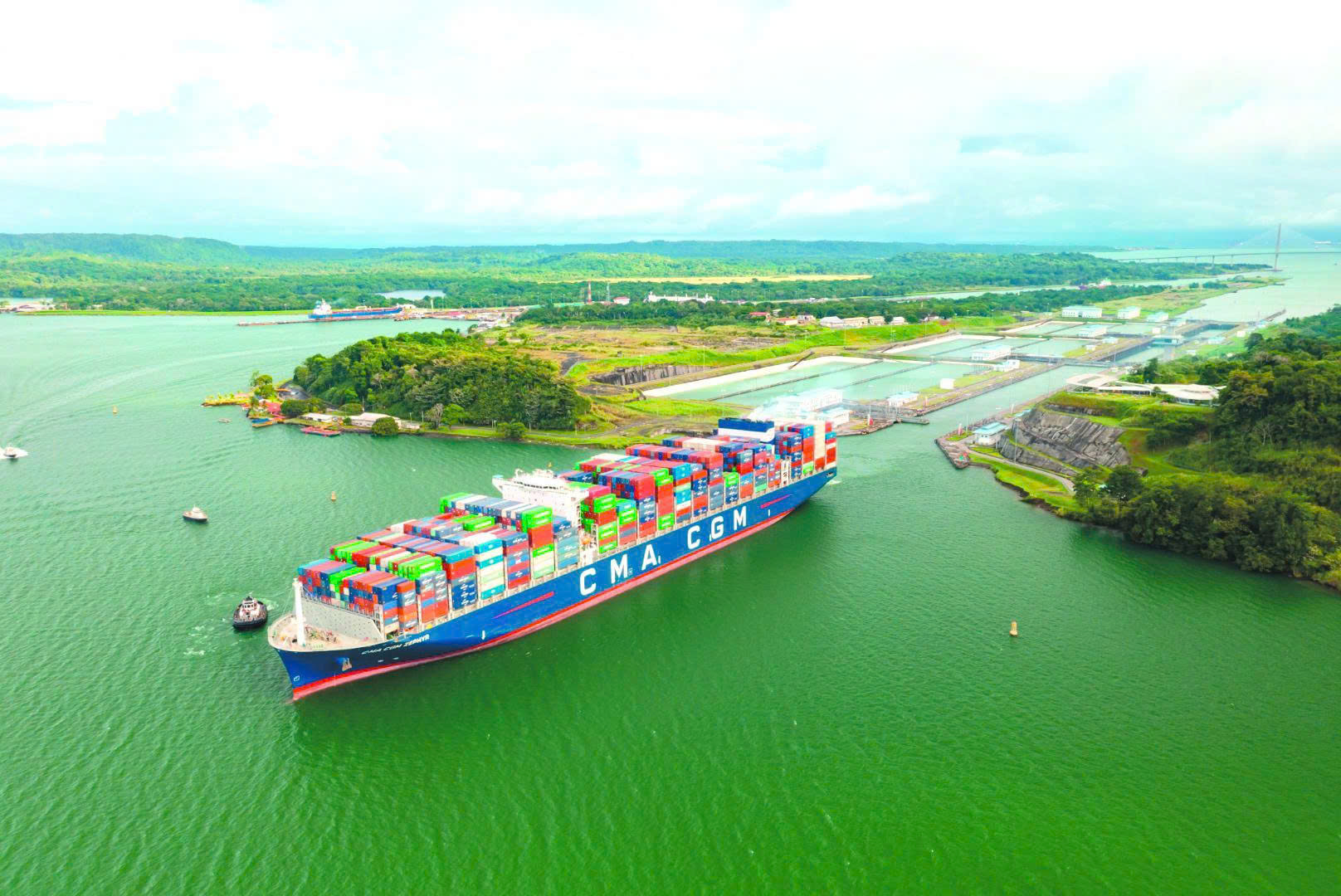
PANAMA CANAL TO FURTHER REDUCE DRAFT LIMIT FOR NEOPANAMAX VESSELS
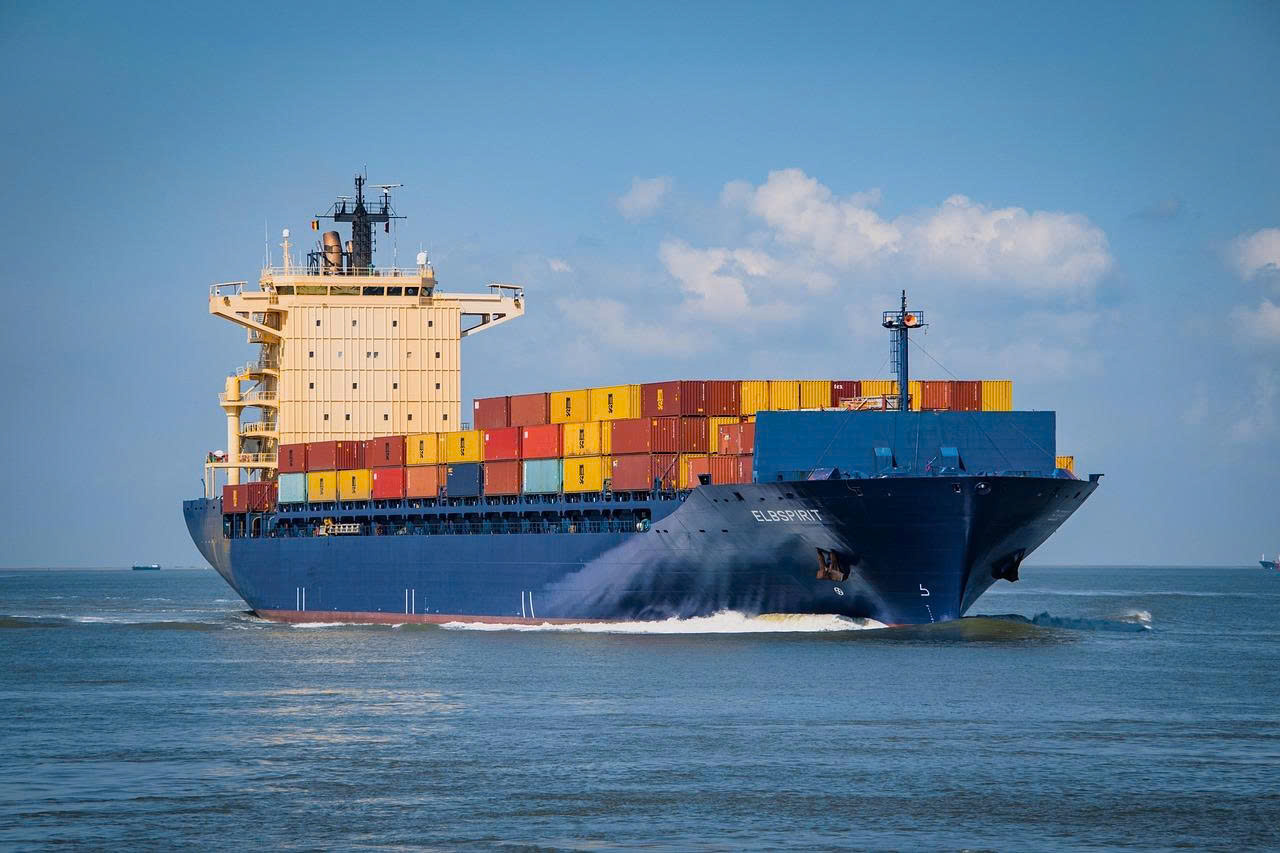
The Panama Canal will further reduce the maximum allowable draft for Neopanamax vessels from late August 2026 as water levels in Gatun Lake continue to decline.
From January 1, 2025, the FuelEU Maritime regulation officially takes effect, requiring ships to reduce their “well-to-wake” greenhouse gas intensity by 2% compared to the 2020 baseline, with targets rising progressively until 2050. As a result, “green” costs—including scarce alternative fuels, compliance fees, verification expenses, and carbon-related surcharges—are now clearly reflected in the invoices issued by carriers and shippers.
FuelEU does not mandate the use of any specific fuel. Instead, it allows operators to choose the optimal combination of solutions—such as blended biofuels, LNG/bio-LNG, wind-assisted propulsion, or operational optimization—as long as the required emission intensity is achieved. In practice, on major European trade lanes, many carriers have already begun introducing separate “Green Compliance Surcharges” rather than incorporating all environmental costs into traditional bunker surcharges.
At the same time, the EU ETS for maritime shipping continues to add financial pressure. By September 30, 2025, carriers must purchase EUA allowances covering 40% of their 2024 emissions. This will rise to 70% for 2025 emissions (reported in 2026) and 100% from 2027 onward. This means shippers using services calling at EU ports will face a dual cost burden: green fuel premiums plus carbon compliance costs.
Against this backdrop, the “pooling” mechanism is viewed as a potential relief measure. In essence, pooling allows a fleet—or a group of carriers—to combine compliance scores: vessels with surplus performance (emissions below the required threshold) can compensate for vessels with deficits, as long as the system remains transparent and third-party verified. This creates flexibility for companies with large fleets or early investments in green technologies to balance risks across their operations and avoid penalties.
However, pooling is not a magic solution. Its effectiveness depends heavily on the quality of emissions data for each vessel, the contractual allocation of rights and liabilities between pool members, and the seasonal or port-specific availability of green fuels. Any disruption affecting a well-performing vessel may drag the entire pool below compliance and trigger collective penalties. Therefore, clear exit rights, “make-good” clauses, and third-party auditing are essential components of any pooling arrangement.
For international shipping contracts, shippers and carriers should consider three key elements: a transparent green surcharge formula, a well-defined carbon risk-sharing mechanism, and detailed pooling provisions. For example, green surcharges should be calculated separately based on the actual price gap between conventional and green fuels on the relevant trade lane; a “cap & collar” model can help prevent extreme price swings. A carbon risk-sharing clause should specify how FuelEU and ETS costs are allocated and whether renegotiation is triggered when EUA prices exceed a certain threshold. Pooling terms should clarify whether the pool is internal or joint, how surplus/deficit points are distributed, penalties for non-performance, data verification standards, and rights to withdraw from the pool.
For Vietnamese shippers, the implication is clear: you should prepare three cost scenarios (conservative – base – optimistic) for EU-related trade lanes, including variables such as blending ratios of green fuels, EUA price ranges, and risks of pool underperformance. Securing a portion of green fuel supply through collective procurement agreements or Green Fuel Purchase Agreements, combined with pooling, may help stabilize compliance points over a 12–24-month cycle.
In conclusion, FuelEU 2025 has transformed “green costs” from a concept into a line item on shipping invoices. The strategic balance between “buying compliance” (investing in green fuels and efficient vessels) and “creating compliance” (through pooling, surcharges, or flexible contract terms) will determine each shipper’s cost competitiveness in the coming years. Pooling is a powerful tool—but only when supported by accurate data, strong contract design, and disciplined execution. Shippers should begin preparing now by standardizing operational data, developing cost models, and negotiating clear surcharge and risk-sharing clauses to stay in control at the negotiating table.
Source: collect
The Panama Canal will further reduce the maximum allowable draft for Neopanamax vessels from late August 2026 as water levels in Gatun Lake continue to decline.
In modern logistics, delays are no longer viewed as mere inconveniences. They can result in significant financial losses, including reduced revenue, dissatisfied customers, increased warehousing costs, disrupted production schedules, and damaged business reputation
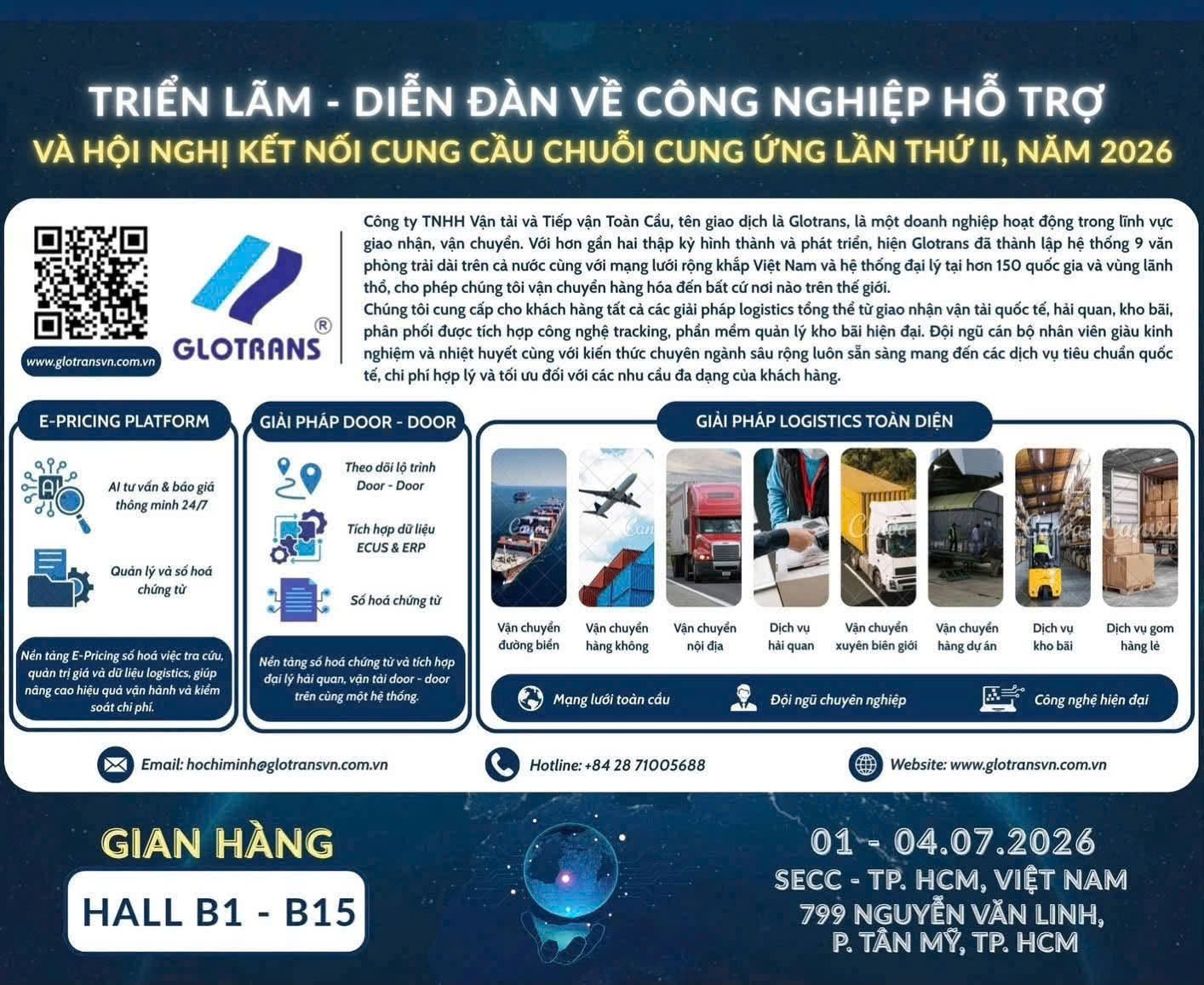
From July 1–4, 2026, Glotrans is participating in MTA Vietnam 2026, one of Vietnam's leading international exhibitions for precision engineering, manufacturing, and supporting industries, held at the Saigon Exhibition and Convention Center (SECC), Ho Chi Minh City.
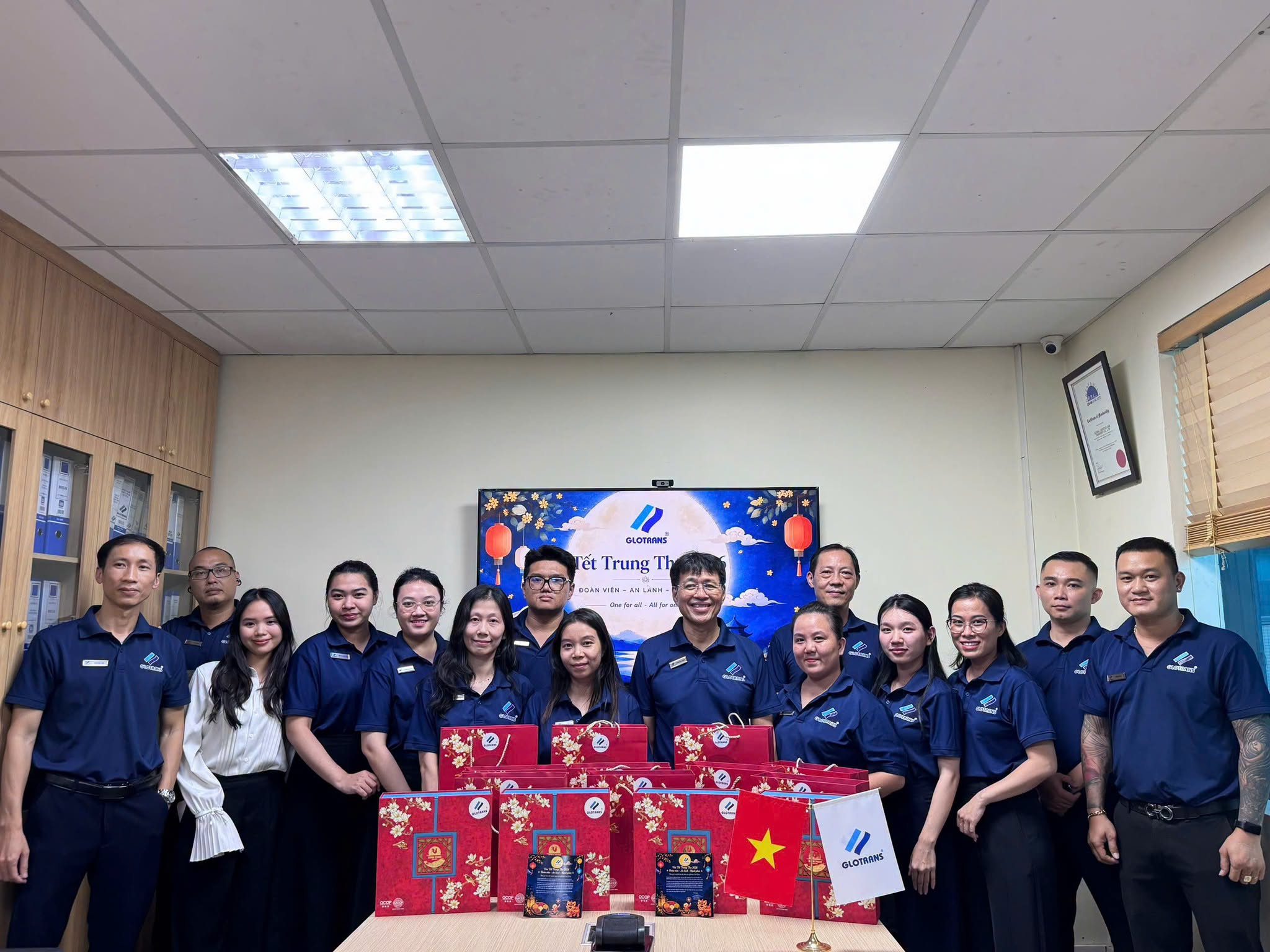
The Mid-Autumn Festival is not only a time for family reunions, but also a special occasion to share love, send warm wishes, and enjoy meaningful moments with our beloved colleagues.
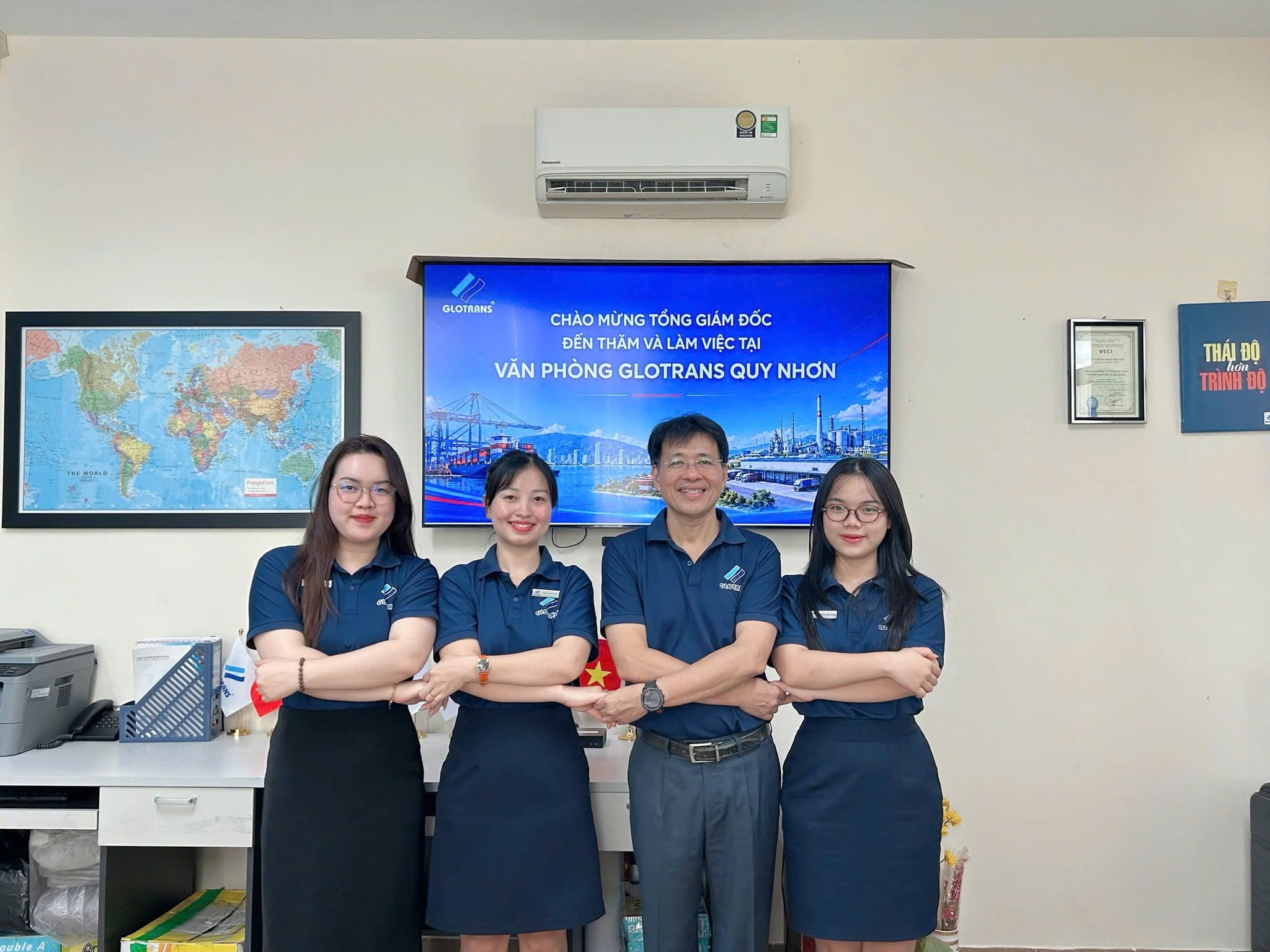
Over the past few days, GLOTRANS’s General Director has been traveling between offices, from Da Nang to Quy Nhon, to personally attend meetings reviewing the business performance of the first six months of the year, assess each office’s operations, and work with the teams to set goals for the next stage.
GLOTRANS would like to inform our Valued Customers and Partners of our holiday schedule for Vietnam’s National Day (2 September 2026) as follows:
The shipment of food additives was transported in container No. FCIU3301688 (20’), under B/L MPRSMUM1806, on the voyage from Nhavasheva Port (India) to Dinh Vu Port (Hai Phong, Vietnam) on 29/04/2017.
Company T (Plaintiff – the Insured) entered into an insurance contract with Company B (Defendant – the Insurer). After the insured event occurred, the Insurer alleged that the Insured had violated its obligation to prevent and mitigate losses. The Arbitral Tribunal acknowledged that such an obligation exists but concluded that the Insured did not breach it.
Under the insurance contract, the premium was to be paid in three installments, and in all three, the insured party was late in payment. When a dispute arose, the insurer (Defendant) argued that the insurance contract had terminated before the insured event occurred due to the late premium payment and therefore refused to make an insurance payout. However, the Arbitral Tribunal held a contrary view.