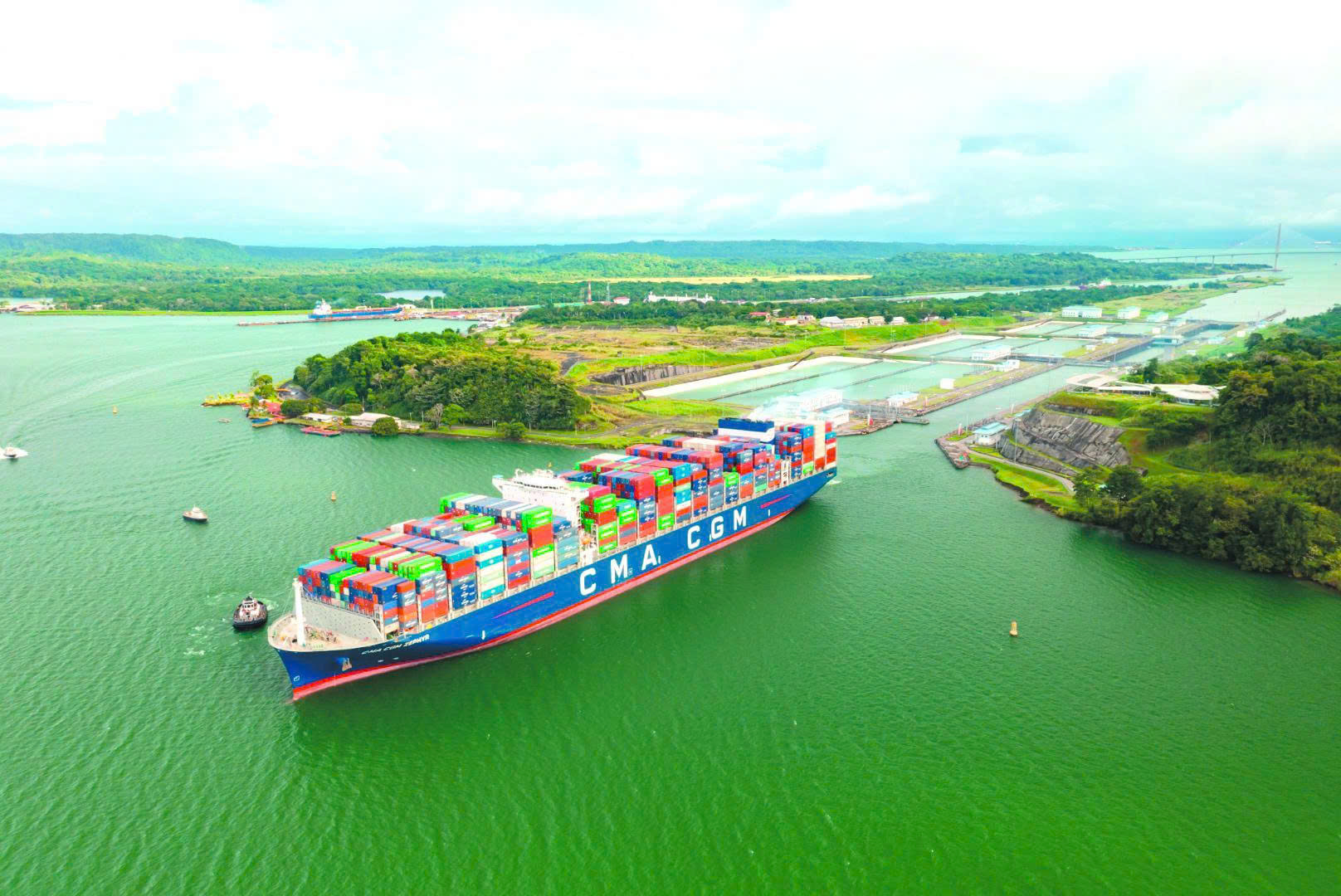
PANAMA CANAL TO FURTHER REDUCE DRAFT LIMIT FOR NEOPANAMAX VESSELS
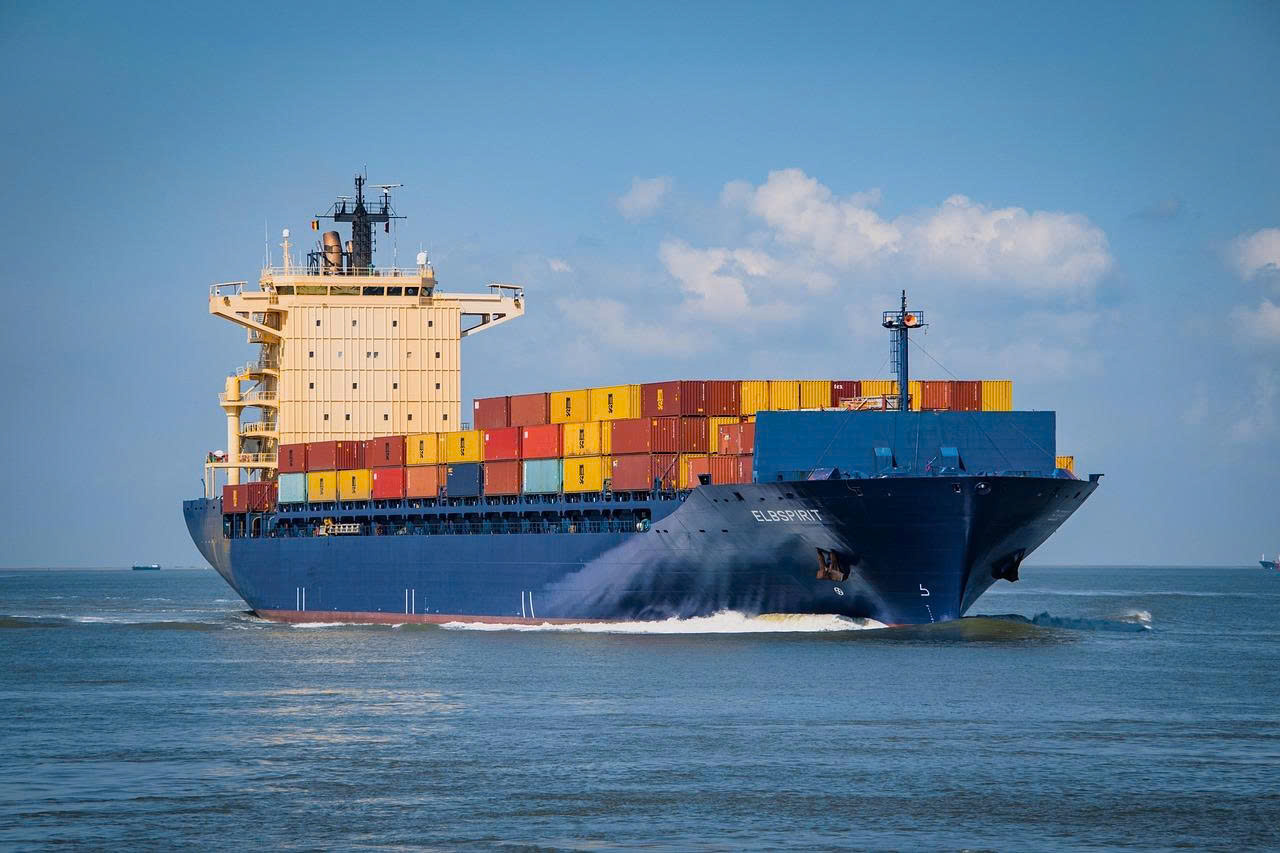
The Panama Canal will further reduce the maximum allowable draft for Neopanamax vessels from late August 2026 as water levels in Gatun Lake continue to decline.
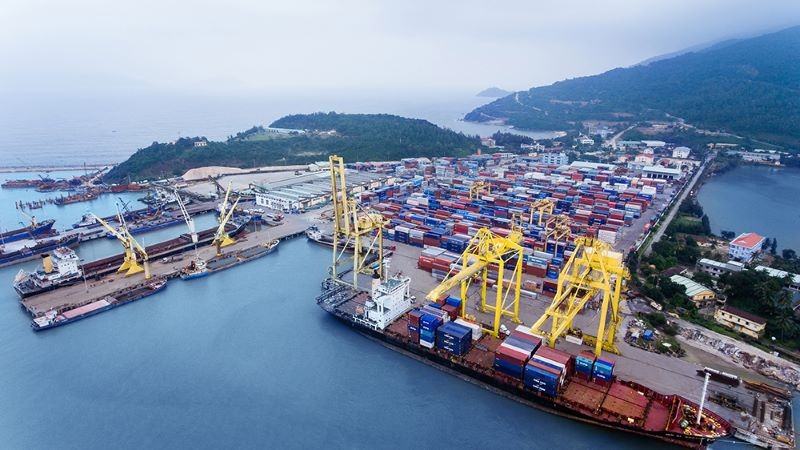
Deputy Prime Minister Tran Hong Ha has just signed Decision No. 886 approving the plan, policies, solutions and resources for the implementation of the master plan on development of Vietnam's seaport system in the period of 2021 - 2030 with a vision to 2050.
According to Decision No. 886/QD-TTg dated July 24, 2023, the objective of the Plan is to raise awareness and action in the implementation of Decision No. 1579 dated September 22, 2021 of the Prime Minister. approved the Master plan on development of Vietnam's seaport system in the period of 2021-2030, with a vision to 2050;
Identify tasks, solutions, list of specific projects to be implemented in each period from now to 2030 in accordance with the conditions of ministries, branches and localities;
Clearly define methods, resources, coordination mechanism among ministries, departments, branches and People's Committees of provinces and centrally run cities in implementation.
At the same time, orient ministries, agencies and People's Committees of provinces and centrally-run cities in developing plans, and coordinate with the Ministry of Transport and related units in the implementation of the objectives. , tasks and solutions to implement the plan in each stage.
Completing legal documents on prices and charges at seaports.
The Decision sets out three tasks to implement the Master Plan, including: Tasks of carrying out procedures in accordance with the law on planning; The task of completing legal documents on maritime; Infrastructure development tasks.
In which, research and propose amendments to the 2015 Maritime Code according to the roadmap and according to the order and procedures prescribed in the Law on Promulgation of Legal Documents; Review and amend relevant decrees and circulars to facilitate the development, management and effective use of maritime infrastructure;
Focus on completing legal documents on prices and fees at seaports to improve the efficiency of seaport investment, increase the attractiveness of shipping lines, attract international transshipment container cargo, and ensure customer satisfaction. harmonize national interests and stakeholders.
At the same time, review and amend legal documents related to mechanisms and policies to implement feasible and effectively the objectives of the seaport planning, ensuring consistency and synchronization with the implementation of the plan. The 10-year socio-economic development strategy 2021-2030, the socio-economic development plan of the whole country and each locality
Organize the adjustment of the master plan on development of Vietnam's seaport system in the period of 2021-2030, with a vision to 2050 in line with the national master plan for the period of 2021-2030, with a vision to 2050.
Implement the formulation of specialized maritime technical plans, concretize the master plan on seaport development to deploy the development of seaport infrastructure and other related maritime infrastructure in practice.. .
Regarding policies, solutions to implement the Plan include: Attracting capital for infrastructure development; Human resource development; Science and technology development; Ensuring social security; Environmental protection; Secure financial resources; National defense and security assurance; Breakthrough mechanisms and policies in mobilizing resources to organize the implementation of the master plans.
The Panama Canal will further reduce the maximum allowable draft for Neopanamax vessels from late August 2026 as water levels in Gatun Lake continue to decline.
In modern logistics, delays are no longer viewed as mere inconveniences. They can result in significant financial losses, including reduced revenue, dissatisfied customers, increased warehousing costs, disrupted production schedules, and damaged business reputation
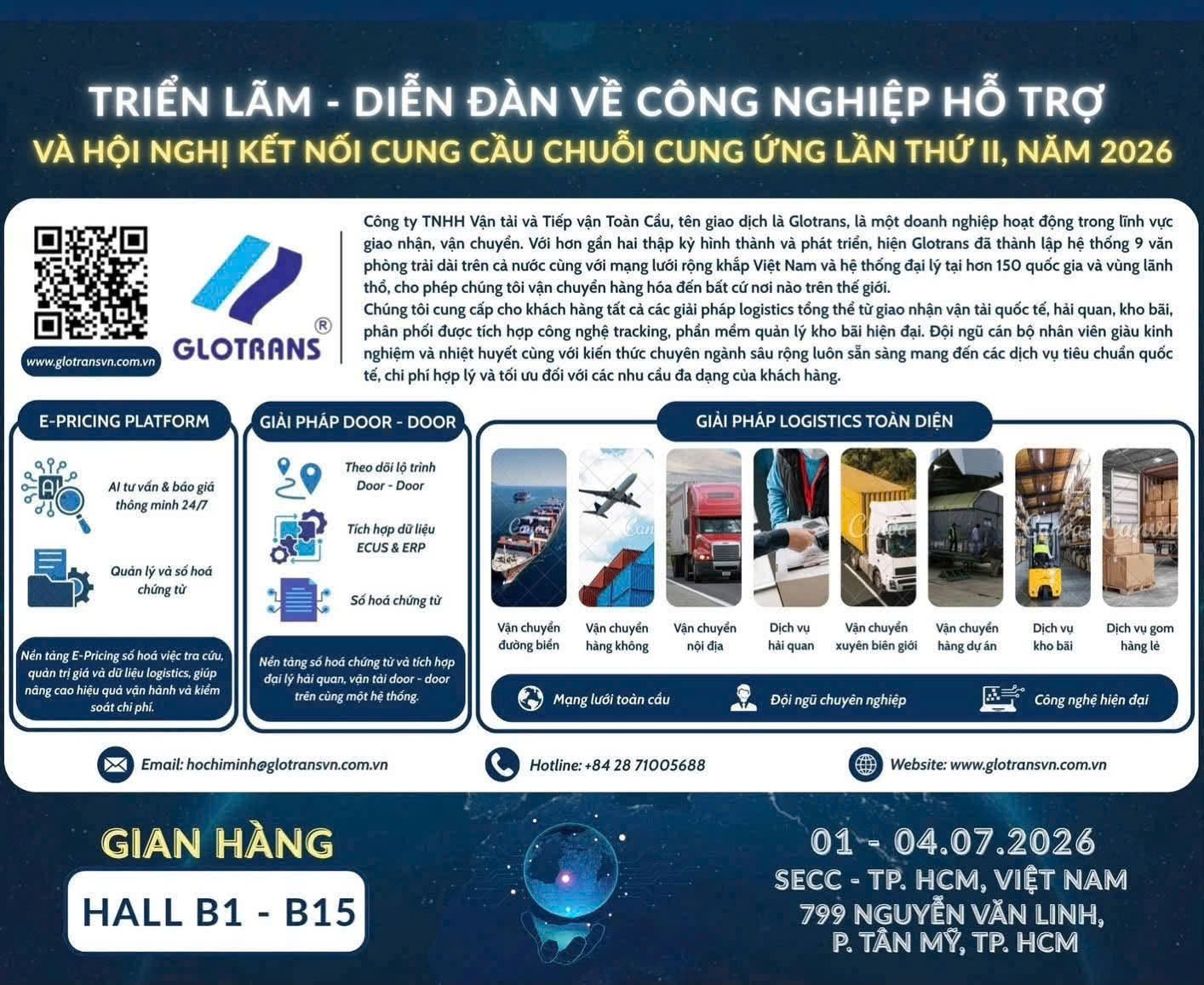
From July 1–4, 2026, Glotrans is participating in MTA Vietnam 2026, one of Vietnam's leading international exhibitions for precision engineering, manufacturing, and supporting industries, held at the Saigon Exhibition and Convention Center (SECC), Ho Chi Minh City.
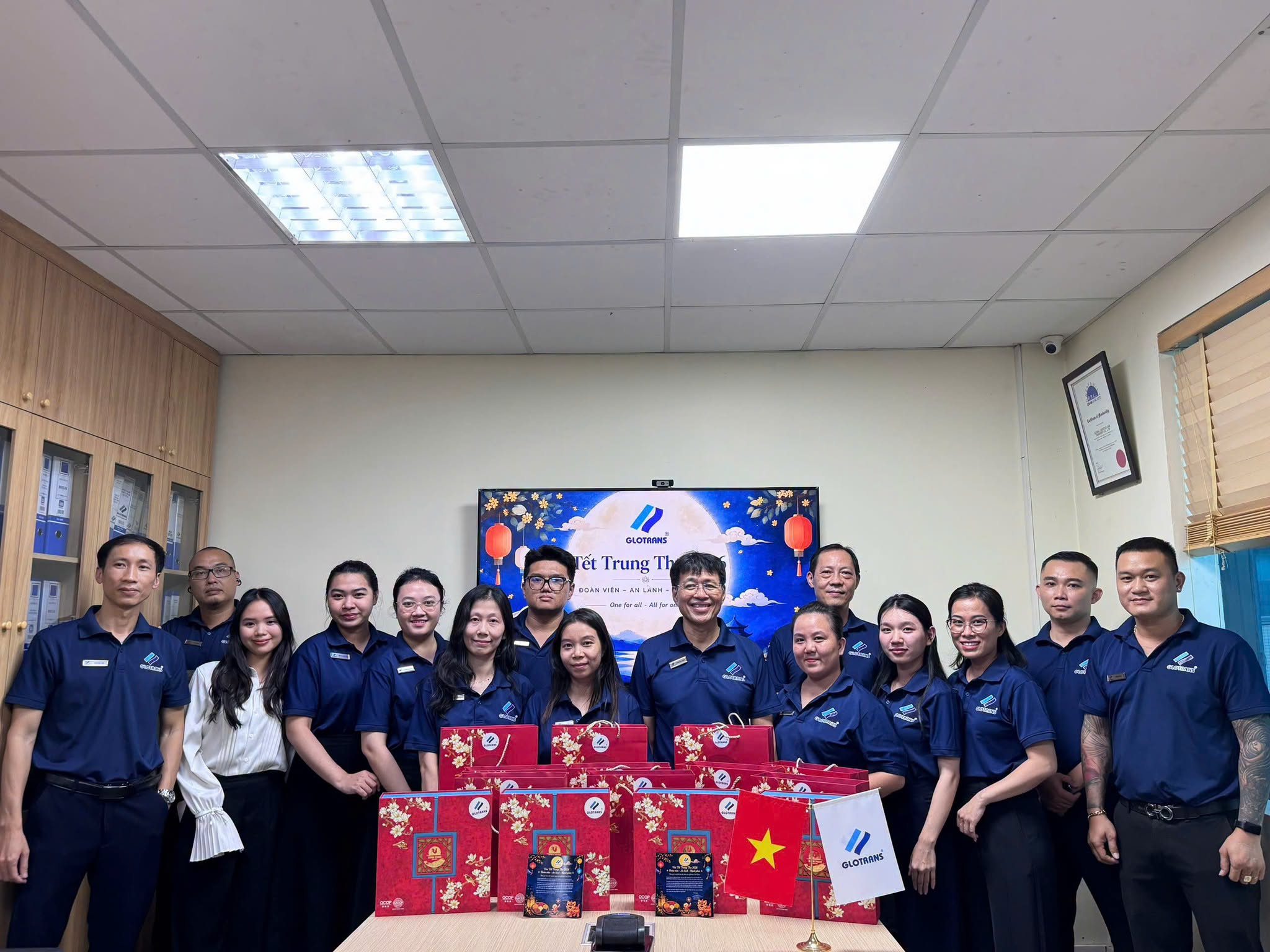
The Mid-Autumn Festival is not only a time for family reunions, but also a special occasion to share love, send warm wishes, and enjoy meaningful moments with our beloved colleagues.
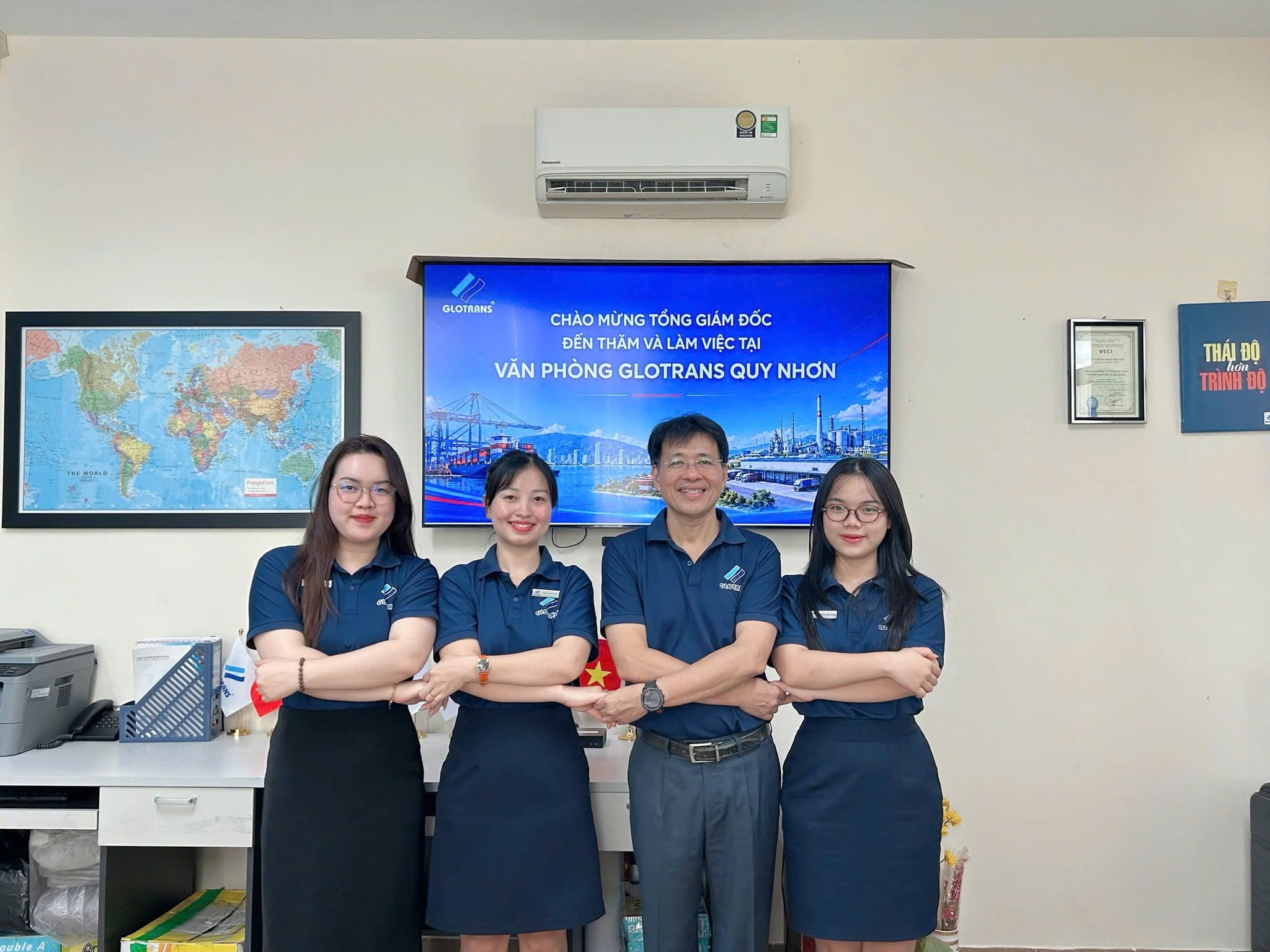
Over the past few days, GLOTRANS’s General Director has been traveling between offices, from Da Nang to Quy Nhon, to personally attend meetings reviewing the business performance of the first six months of the year, assess each office’s operations, and work with the teams to set goals for the next stage.
GLOTRANS would like to inform our Valued Customers and Partners of our holiday schedule for Vietnam’s National Day (2 September 2026) as follows:
The shipment of food additives was transported in container No. FCIU3301688 (20’), under B/L MPRSMUM1806, on the voyage from Nhavasheva Port (India) to Dinh Vu Port (Hai Phong, Vietnam) on 29/04/2017.
Company T (Plaintiff – the Insured) entered into an insurance contract with Company B (Defendant – the Insurer). After the insured event occurred, the Insurer alleged that the Insured had violated its obligation to prevent and mitigate losses. The Arbitral Tribunal acknowledged that such an obligation exists but concluded that the Insured did not breach it.
Under the insurance contract, the premium was to be paid in three installments, and in all three, the insured party was late in payment. When a dispute arose, the insurer (Defendant) argued that the insurance contract had terminated before the insured event occurred due to the late premium payment and therefore refused to make an insurance payout. However, the Arbitral Tribunal held a contrary view.