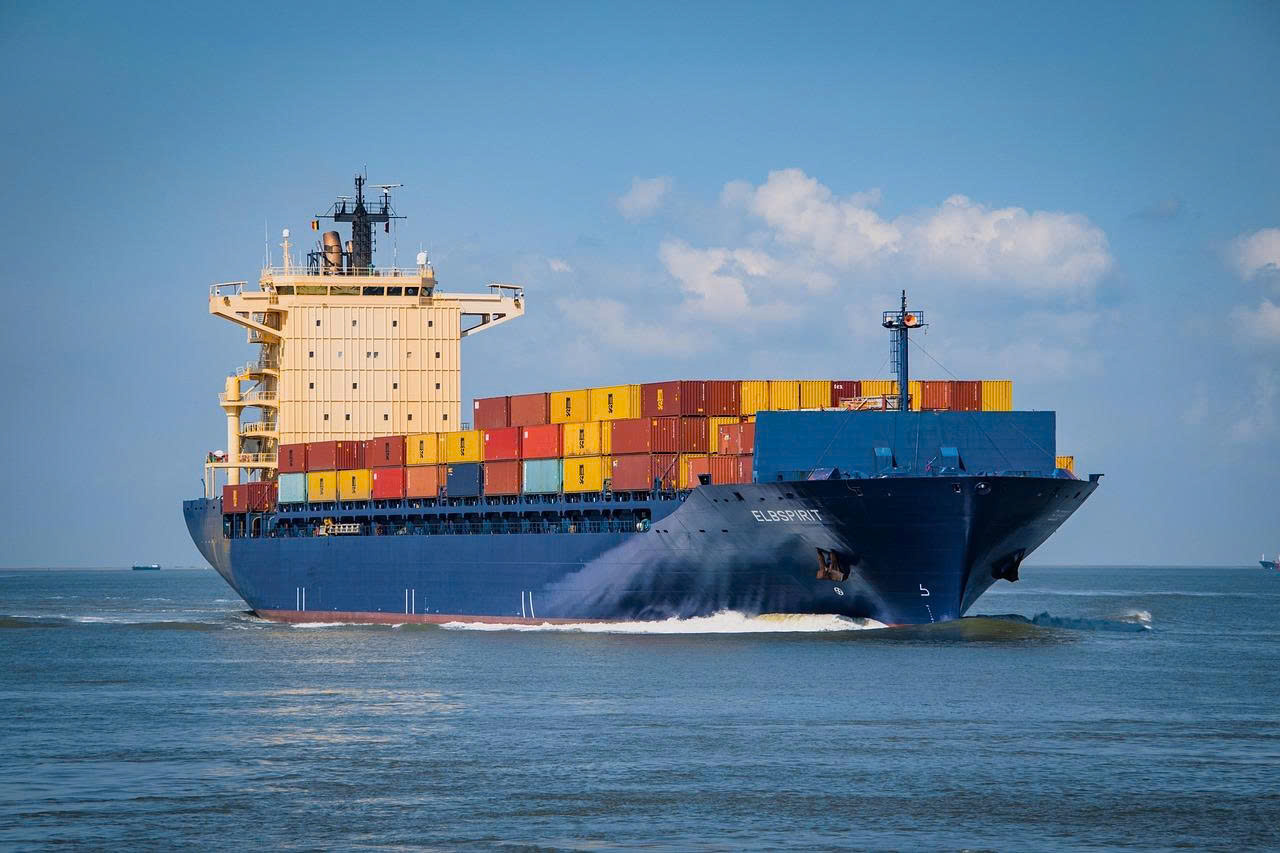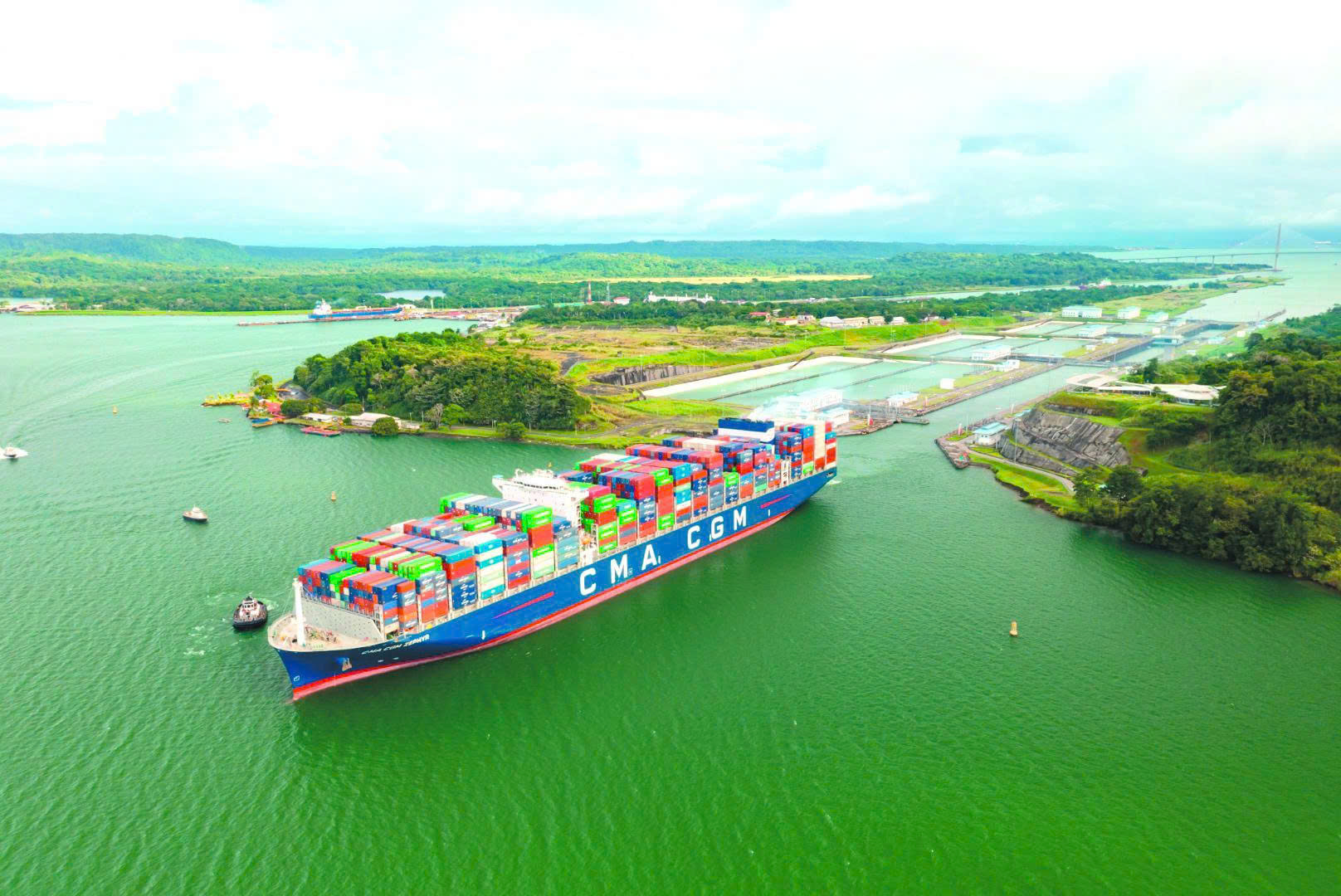
PANAMA CANAL TO FURTHER REDUCE DRAFT LIMIT FOR NEOPANAMAX VESSELS
The Panama Canal will further reduce the maximum allowable draft for Neopanamax vessels from late August 2026 as water levels in Gatun Lake continue to decline.
Glotrans would like to send to customers, partners of the company useful market information: "Screen a scenario to cope with Hai Phong port congestion if it is blocked because of Covid-19".
* Inventory ratio remains at an ideal level
As of August 6, 2021, the number of containers in use in the warehouses and yards of the ports of the Gemadept port group remained stable.
Specifically, at Nam Hai Dinh Vu port, which holds about 60% of the port's capacity, Nam Dinh Vu port is about 40%, and Nam Hai port is about 60%.
Gemadept port group is also cooperating with Nam Hai ICD with a yard of about 21ha, capacity of about 14,000 TEUs (currently using about 36% of capacity) and links with other ports such as: Vip Green Port, Green Port, Doan Xa, Mipec, and Tan Cang 128 to be ready to have a rotation plan when the ports are full.
Ports belonging to Hai Phong Port Joint Stock Company such as Tan Vu are holding about 60% of the yard's capacity, at Chua Ve port 40%, Hoang Dieu 10% and Dinh Vu about 70%.

For Viconship port group, the warehouse area is also maintained stably for exploitation, in which, Vip Green Port is holding 80% of yard capacity, Green Port is about 80% and PTSC port is about 60%.
“The group of ports of Saigon Newport, including: HICT Lach Huyen has just used over 35% of the yard's capacity; Tan Cang 128 and Tan Cang 189 storage yards are also used about 60% of the time. This group of ports also has a great support of ICDs behind the port, which makes the movement of goods flexible in all situations," said the leader of Hai Phong CVHH.
* Update the pick-up plan, create a scenario for each situation
Mr. Nguyen Anh Vu said that although the capacity of port yards in Hai Phong is still "excess" capacity, but, following the direction of the Vietnam Maritime Administration, Hai Phong CVHH has worked with port enterprises and authorities. Local authorities have prepared a plan to coordinate cargo ships in case the port has to be partially or completely closed due to Covid-19.
Regarding the general plan, the port authority requires port enterprises to continuously update the epidemic situation to soon notify ship owners and goods owners; regularly review the current status of exploitation capacity of ports and warehouses, assess the capacity of warehouses and yards outside ports; Develop response scenarios in case workers and seafarers are infected with Covid-19; Moving less empty containers out of the port for ports with high cargo volume,...
In particular, port enterprises must review the withdrawal status of import and export enterprises, regularly work with large shippers, grasp the withdrawal plan at the port to promptly take urgent measures in case enterprises take goods. slow.
“Port enterprises are suggested to report the number of road vehicles entering and leaving the port before 10 am daily to the port authority via email; Report the actual amount of goods at the port, the plan to receive the next week's goods (both import and export goods) before 10:00 a.m. every Friday; At the same time, arrange a contact point to monitor and coordinate with functional agencies to analyze and assess the risk of cargo congestion at the port.
In case the cargo is in danger of being overloaded, the port enterprise must notify the shipping line/shipping agent to quickly move the ship to other ports, avoiding the concentration at one port, causing congestion and time. wait for the train.
It is the responsibility of the goods owner and ship owner to notify the import and export plan early to the port enterprises; proactively grasp the capacity of cargo storage at warehouses and yards, soon withdraw goods at ports to serve production and business, and proactively adjust the unloading port when there are signs of congestion," Mr. Vu informed.
* Update truck routes, smooth vehicle flow
Phan Thi Thu Hien, Deputy Director of the General Department of Roads of Vietnam, said that in order to have a plan to maintain a stable "flow" of goods to the seaport, the Hai Phong Department of Transport needs to evaluate the following aspects. have done or not done well on issues such as: traffic organization, channeling for container trucks; Transport organizations issue badges, QR codes, logistics for drivers (loading yards, gathering places), organize a quick Covid-19 test for drivers at the port, etc. to have an objective assessment, from there have a more optimal organizational solution.
Hoang Hong Giang, Deputy Director of the Vietnam Maritime Administration, said that over the past time, this unit has directed all port authorities to develop a plan to prevent congestion at seaports in the case of provinces and cities. The city implements distance according to Directive 16 or applies stronger disease control measures, affecting the picking of goods by production facilities.
“In the coming time, Hai Phong CVHH should continue to require ports to regularly report on the percentage of goods in container yards, assess the traffic flow in and out of the port; Coordinate with local authorities to review and evaluate more specifically the capacity at depots and ICDs; Encourage port enterprises to develop preferential financial policies for shippers to withdraw goods early.
Glotrans will update customers with the latest market information to help customers and partners come up with solutions to overcome difficulties.
The Panama Canal will further reduce the maximum allowable draft for Neopanamax vessels from late August 2026 as water levels in Gatun Lake continue to decline.
In modern logistics, delays are no longer viewed as mere inconveniences. They can result in significant financial losses, including reduced revenue, dissatisfied customers, increased warehousing costs, disrupted production schedules, and damaged business reputation
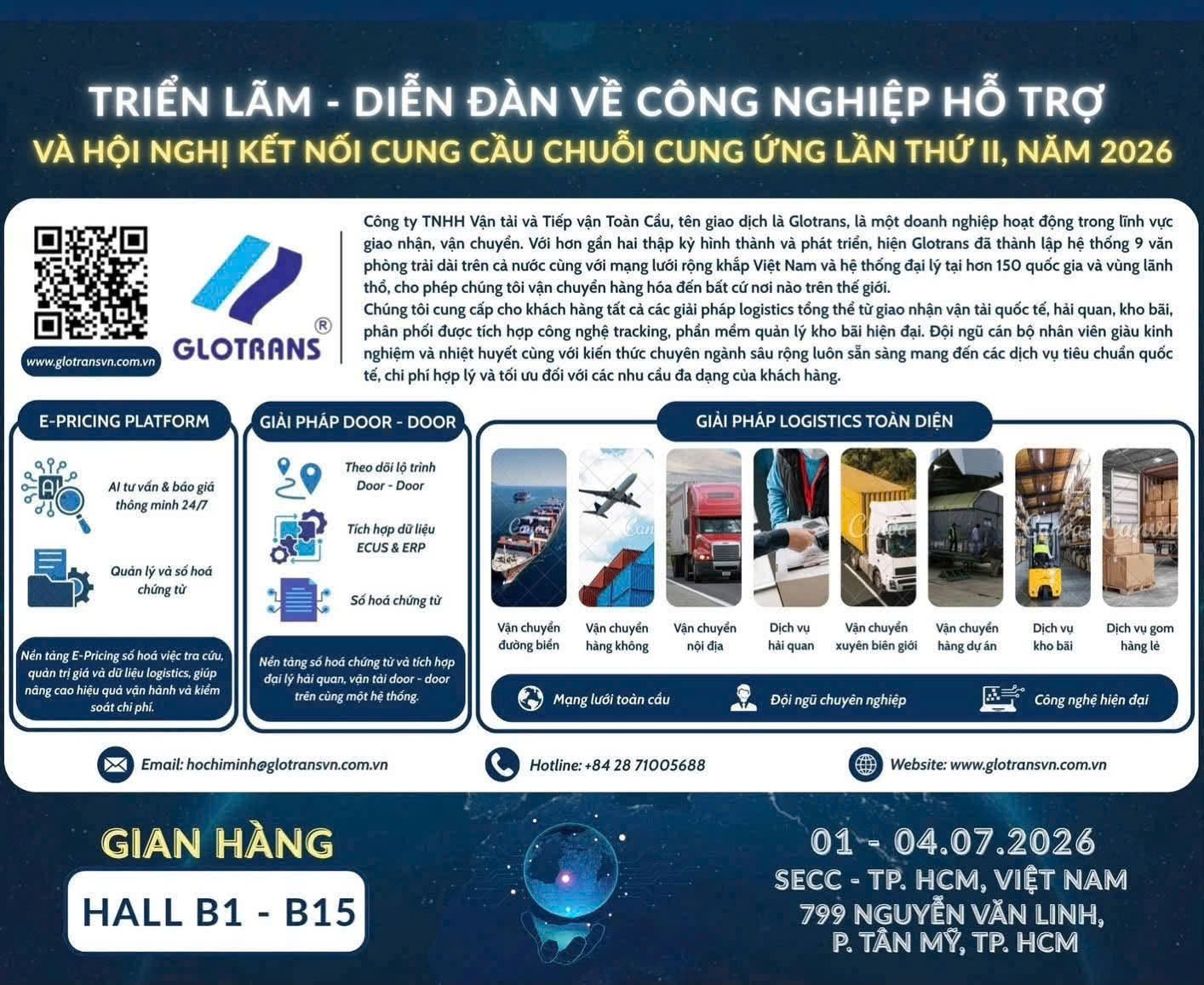
From July 1–4, 2026, Glotrans is participating in MTA Vietnam 2026, one of Vietnam's leading international exhibitions for precision engineering, manufacturing, and supporting industries, held at the Saigon Exhibition and Convention Center (SECC), Ho Chi Minh City.
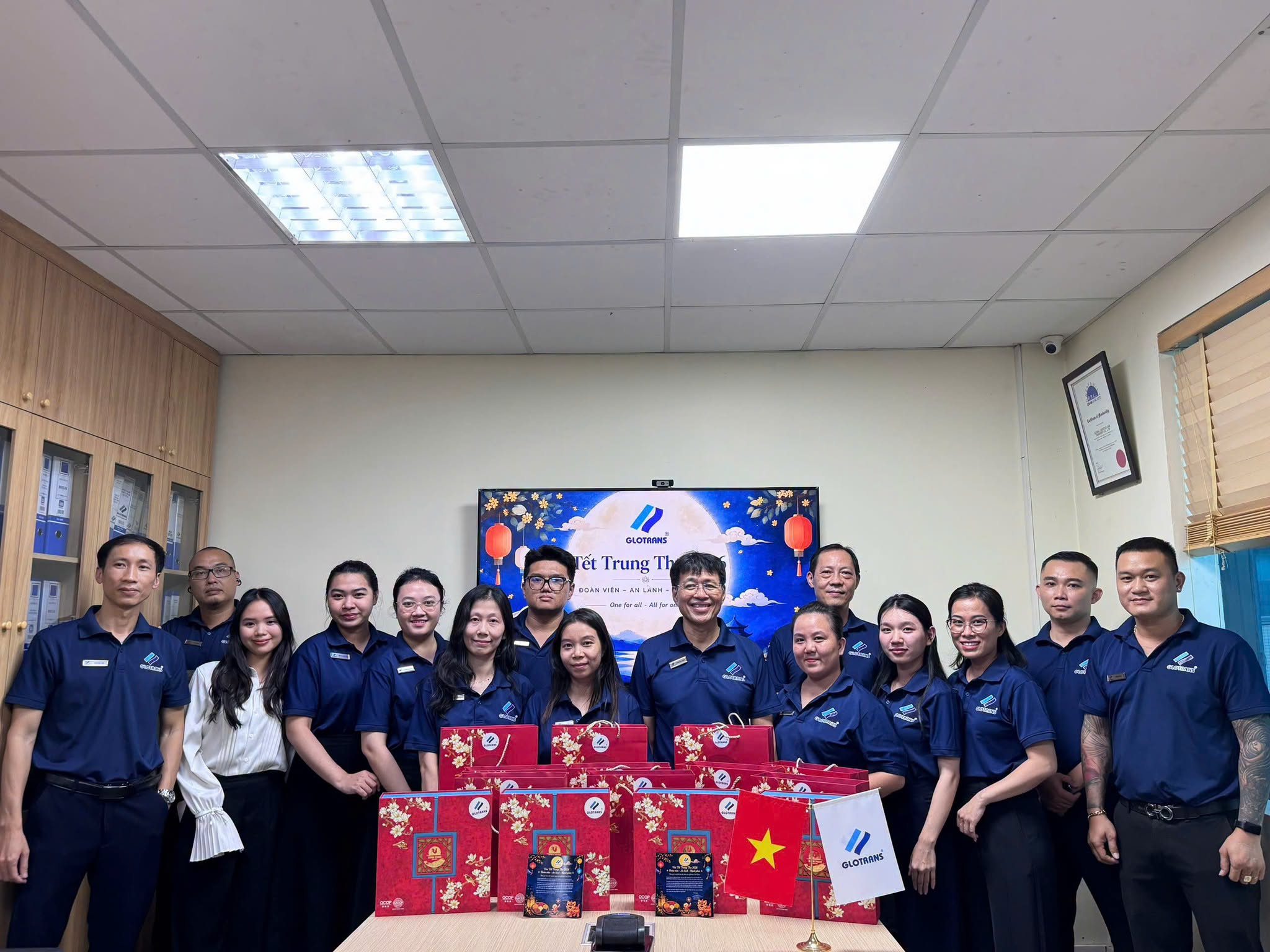
The Mid-Autumn Festival is not only a time for family reunions, but also a special occasion to share love, send warm wishes, and enjoy meaningful moments with our beloved colleagues.
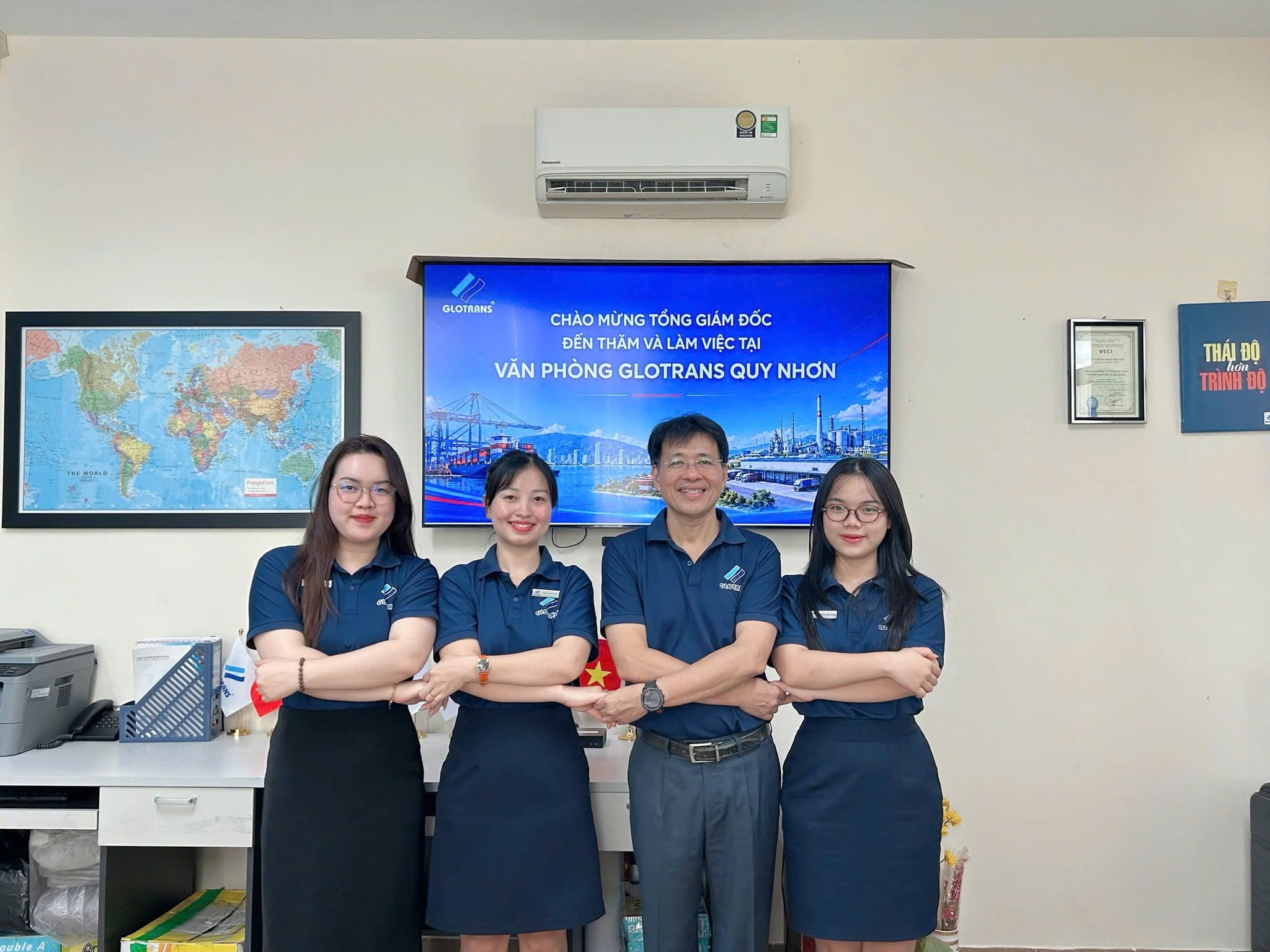
Over the past few days, GLOTRANS’s General Director has been traveling between offices, from Da Nang to Quy Nhon, to personally attend meetings reviewing the business performance of the first six months of the year, assess each office’s operations, and work with the teams to set goals for the next stage.
GLOTRANS would like to inform our Valued Customers and Partners of our holiday schedule for Vietnam’s National Day (2 September 2026) as follows:
The shipment of food additives was transported in container No. FCIU3301688 (20’), under B/L MPRSMUM1806, on the voyage from Nhavasheva Port (India) to Dinh Vu Port (Hai Phong, Vietnam) on 29/04/2017.
Company T (Plaintiff – the Insured) entered into an insurance contract with Company B (Defendant – the Insurer). After the insured event occurred, the Insurer alleged that the Insured had violated its obligation to prevent and mitigate losses. The Arbitral Tribunal acknowledged that such an obligation exists but concluded that the Insured did not breach it.
Under the insurance contract, the premium was to be paid in three installments, and in all three, the insured party was late in payment. When a dispute arose, the insurer (Defendant) argued that the insurance contract had terminated before the insured event occurred due to the late premium payment and therefore refused to make an insurance payout. However, the Arbitral Tribunal held a contrary view.