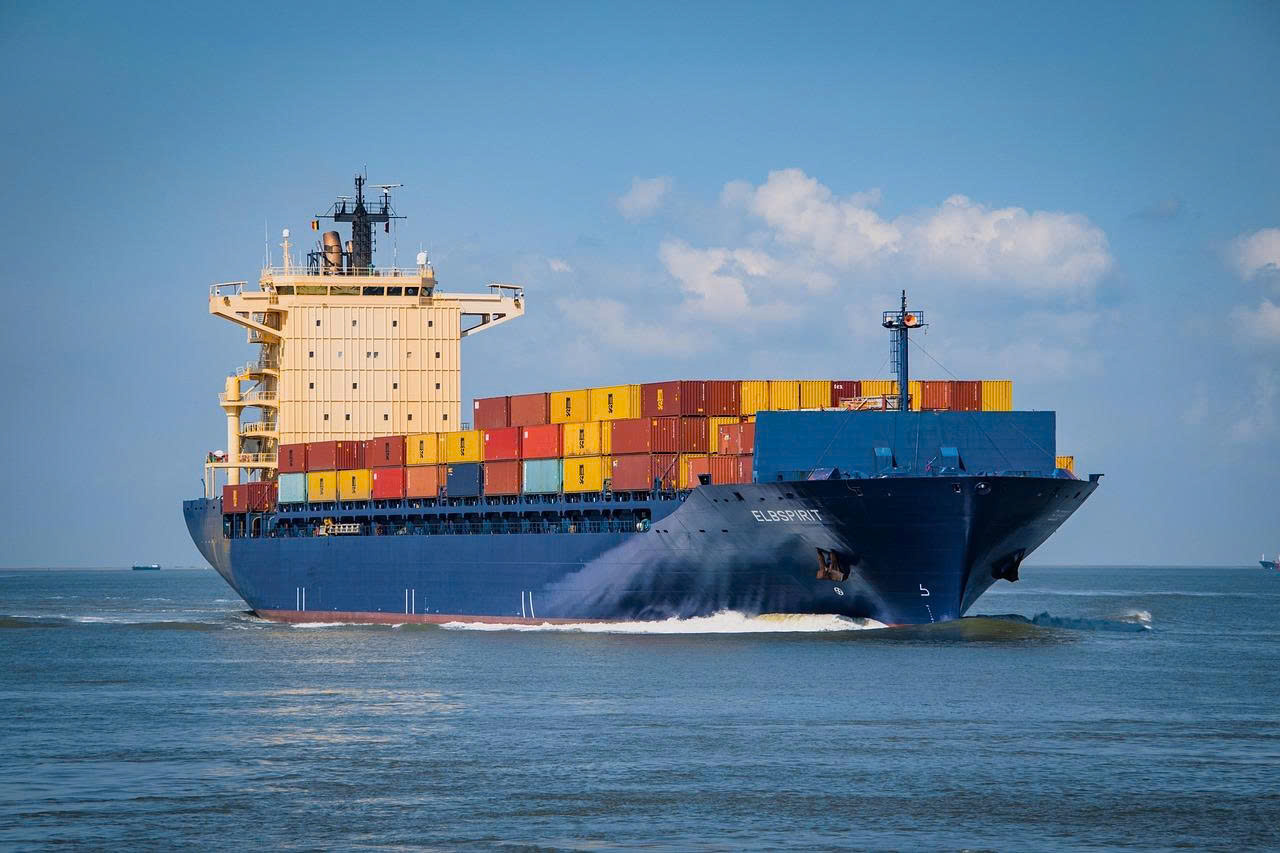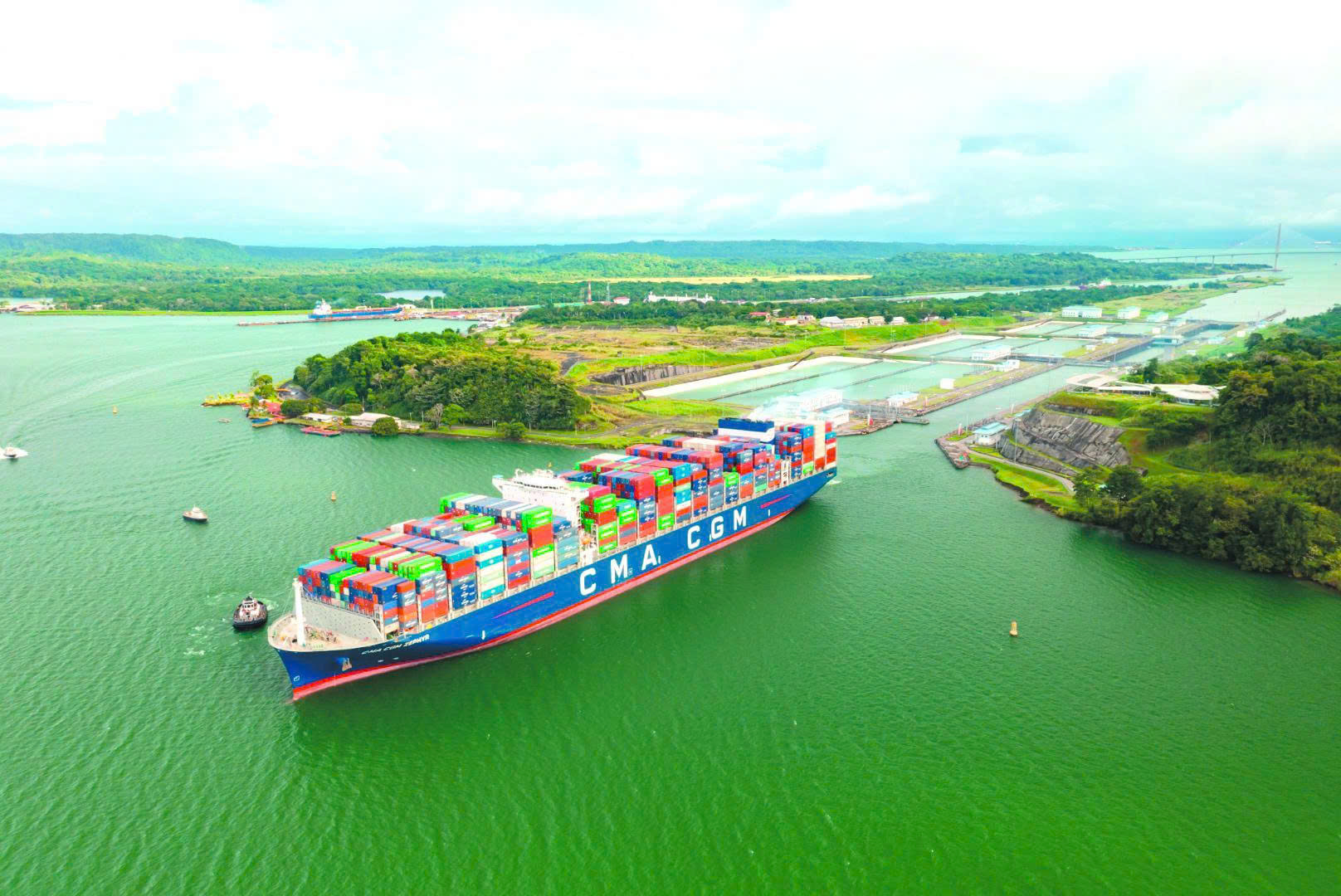
PANAMA CANAL TO FURTHER REDUCE DRAFT LIMIT FOR NEOPANAMAX VESSELS
The Panama Canal will further reduce the maximum allowable draft for Neopanamax vessels from late August 2026 as water levels in Gatun Lake continue to decline.
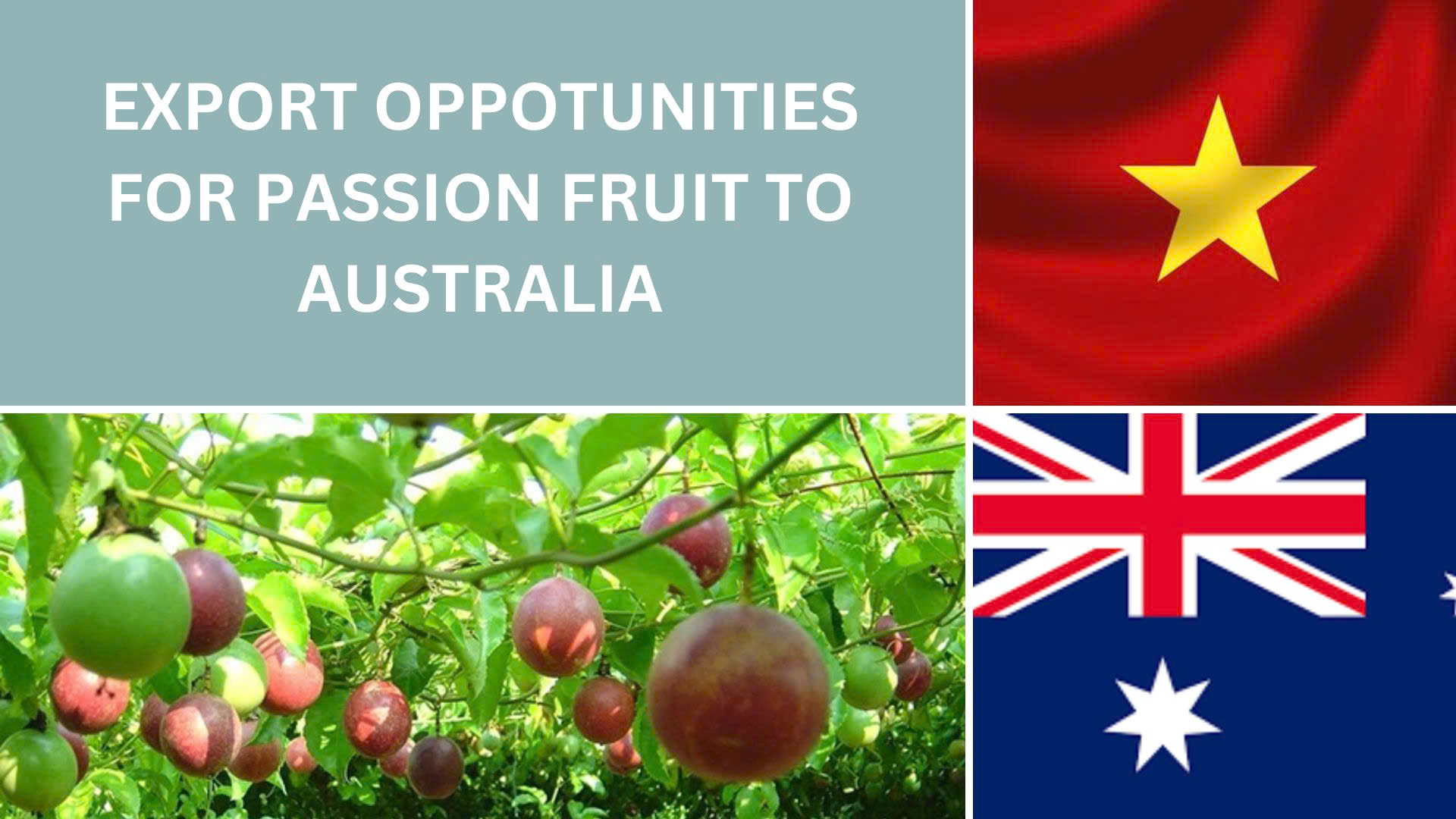
Australia has made another stride in its agriculture sector by announcing an agreement to export plums to Vietnam in the near future, in addition to the current exports of peaches and nectarines. This project is part of a two-way agricultural market access agreement aimed at providing Australian plums to Vietnam and Vietnamese passion fruit to Australia.
Australia’s exports of agricultural, seafood, and forestry products to Vietnam reached AUD 3.7 billion (approximately USD 2.5 billion) in the 2023-2024 period, with an increasing trade in nuts, further strengthening Australia's trade relationship with Vietnam, which is the sixth largest export market for this Oceanian country.
Earlier, the Plant Protection Department under the Ministry of Agriculture and Rural Development, in collaboration with the Australian Embassy in Vietnam, held a ceremony to announce the export of Vietnamese passion fruit to Australia and Australian plums to Vietnam. Passion fruit became the fifth fruit to be officially exported to Australia, following mangoes, longans, lychees, and dragon fruit.
Mr. Huỳnh Tấn Đạt, Director of the Plant Protection Department, said that Vietnam has great potential and advantages in tropical fruits. Currently, Vietnamese fruits are exported to more than 60 countries and territories. Passion fruit alone is exported to 20 countries, in various forms such as fresh fruit, frozen fruit, and juice.
The area of passion fruit cultivation has surpassed 12,000 hectares and continues to expand, mainly concentrated in the northern mountainous regions. Passion fruit cultivation is also receiving significant attention from several provinces in the Central Highlands, where the area under cultivation is increasing.
In recent years, Vietnam has focused on improving quality, producing according to supply chains, and ensuring traceability for passion fruit; specifically focusing on two main varieties: yellow and purple passion fruit.
In the near future, the Plant Protection Department will guide farmers and local authorities to produce in accordance with the requirements of importing countries, further enhancing the advantages of passion fruit products.
Mr. Andrew Goledzinowski, Australian Ambassador to Vietnam, noted that agricultural trade relations, including fruit trade, between the two countries have been continuously developing. High-quality fruits from both countries have been present in each other's markets. The achievements of today are based on mutual trust and joint efforts.
In the future, both countries will continue to finalize the remaining steps for Vietnamese pomelos and Australian blueberries to enter their respective partner markets.
The Panama Canal will further reduce the maximum allowable draft for Neopanamax vessels from late August 2026 as water levels in Gatun Lake continue to decline.
In modern logistics, delays are no longer viewed as mere inconveniences. They can result in significant financial losses, including reduced revenue, dissatisfied customers, increased warehousing costs, disrupted production schedules, and damaged business reputation
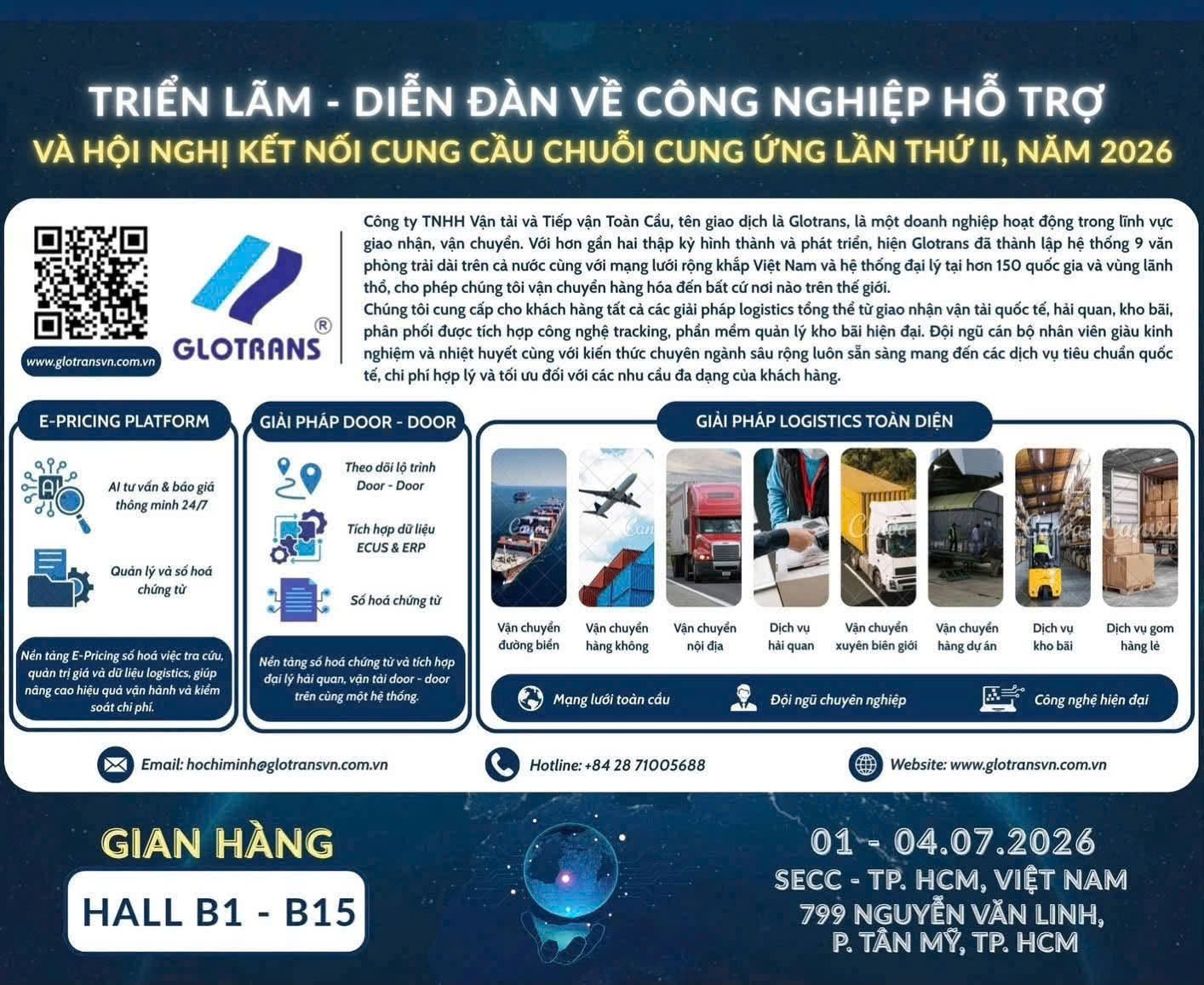
From July 1–4, 2026, Glotrans is participating in MTA Vietnam 2026, one of Vietnam's leading international exhibitions for precision engineering, manufacturing, and supporting industries, held at the Saigon Exhibition and Convention Center (SECC), Ho Chi Minh City.
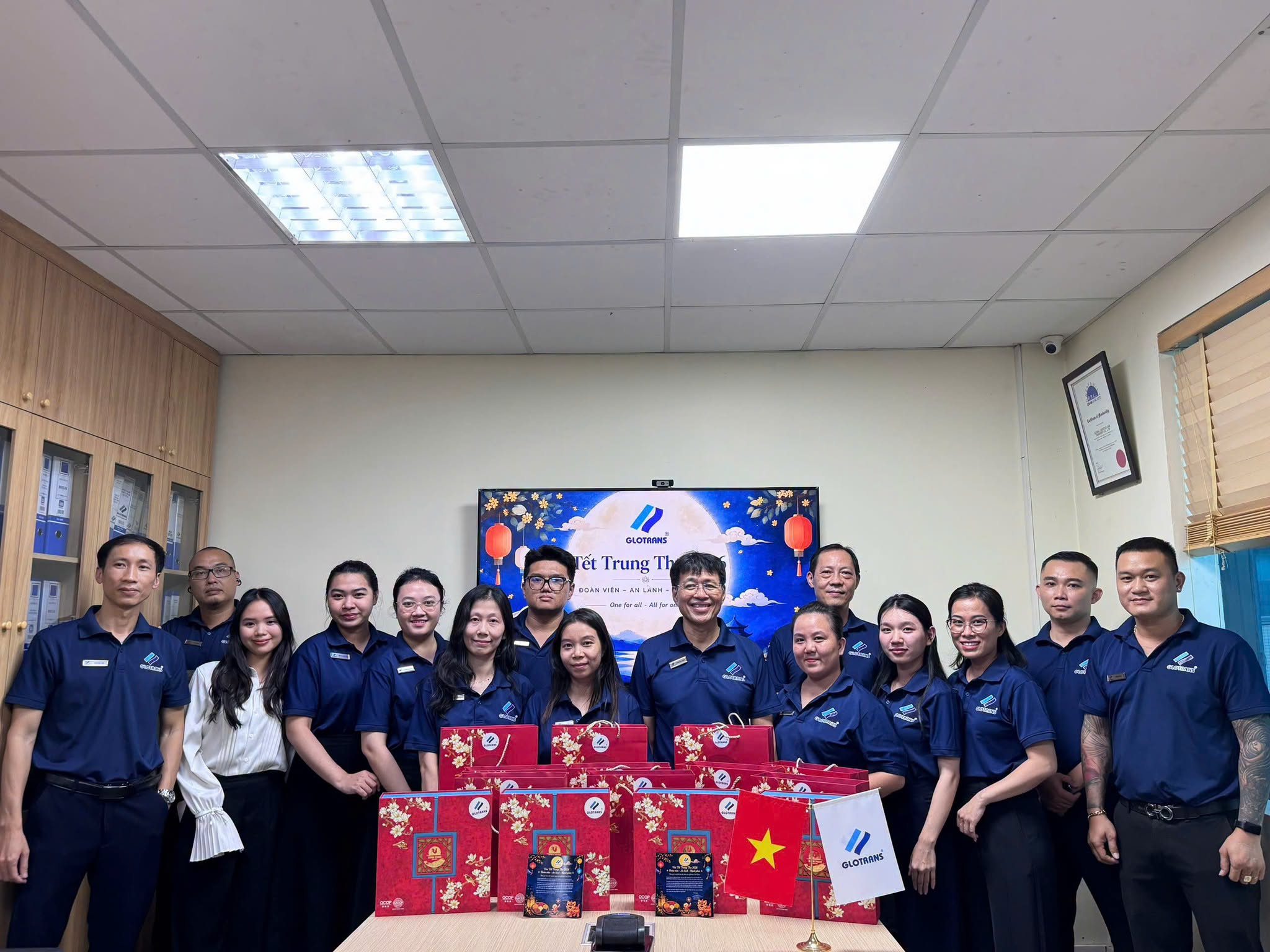
The Mid-Autumn Festival is not only a time for family reunions, but also a special occasion to share love, send warm wishes, and enjoy meaningful moments with our beloved colleagues.
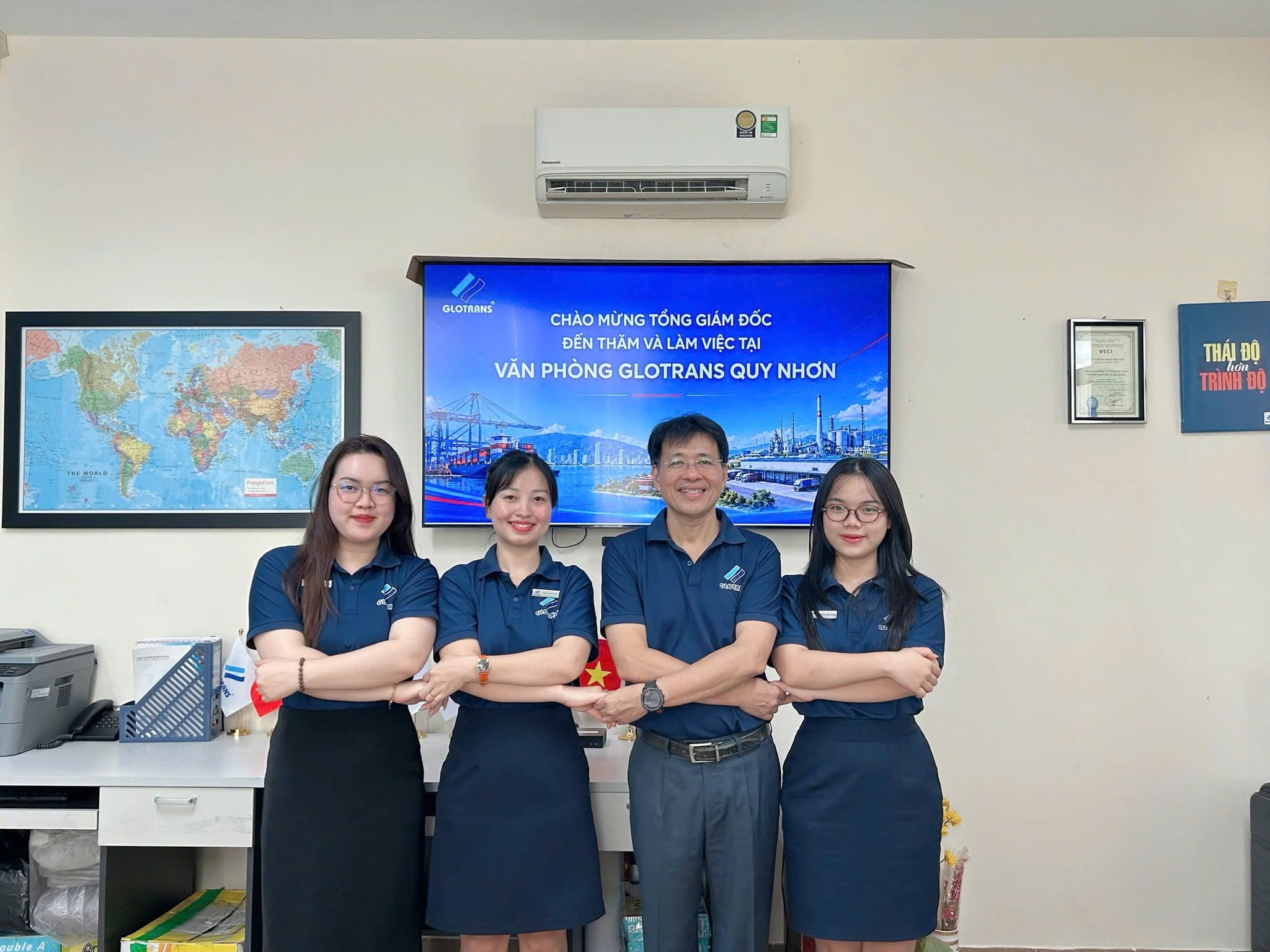
Over the past few days, GLOTRANS’s General Director has been traveling between offices, from Da Nang to Quy Nhon, to personally attend meetings reviewing the business performance of the first six months of the year, assess each office’s operations, and work with the teams to set goals for the next stage.
GLOTRANS would like to inform our Valued Customers and Partners of our holiday schedule for Vietnam’s National Day (2 September 2026) as follows:
The shipment of food additives was transported in container No. FCIU3301688 (20’), under B/L MPRSMUM1806, on the voyage from Nhavasheva Port (India) to Dinh Vu Port (Hai Phong, Vietnam) on 29/04/2017.
Company T (Plaintiff – the Insured) entered into an insurance contract with Company B (Defendant – the Insurer). After the insured event occurred, the Insurer alleged that the Insured had violated its obligation to prevent and mitigate losses. The Arbitral Tribunal acknowledged that such an obligation exists but concluded that the Insured did not breach it.
Under the insurance contract, the premium was to be paid in three installments, and in all three, the insured party was late in payment. When a dispute arose, the insurer (Defendant) argued that the insurance contract had terminated before the insured event occurred due to the late premium payment and therefore refused to make an insurance payout. However, the Arbitral Tribunal held a contrary view.