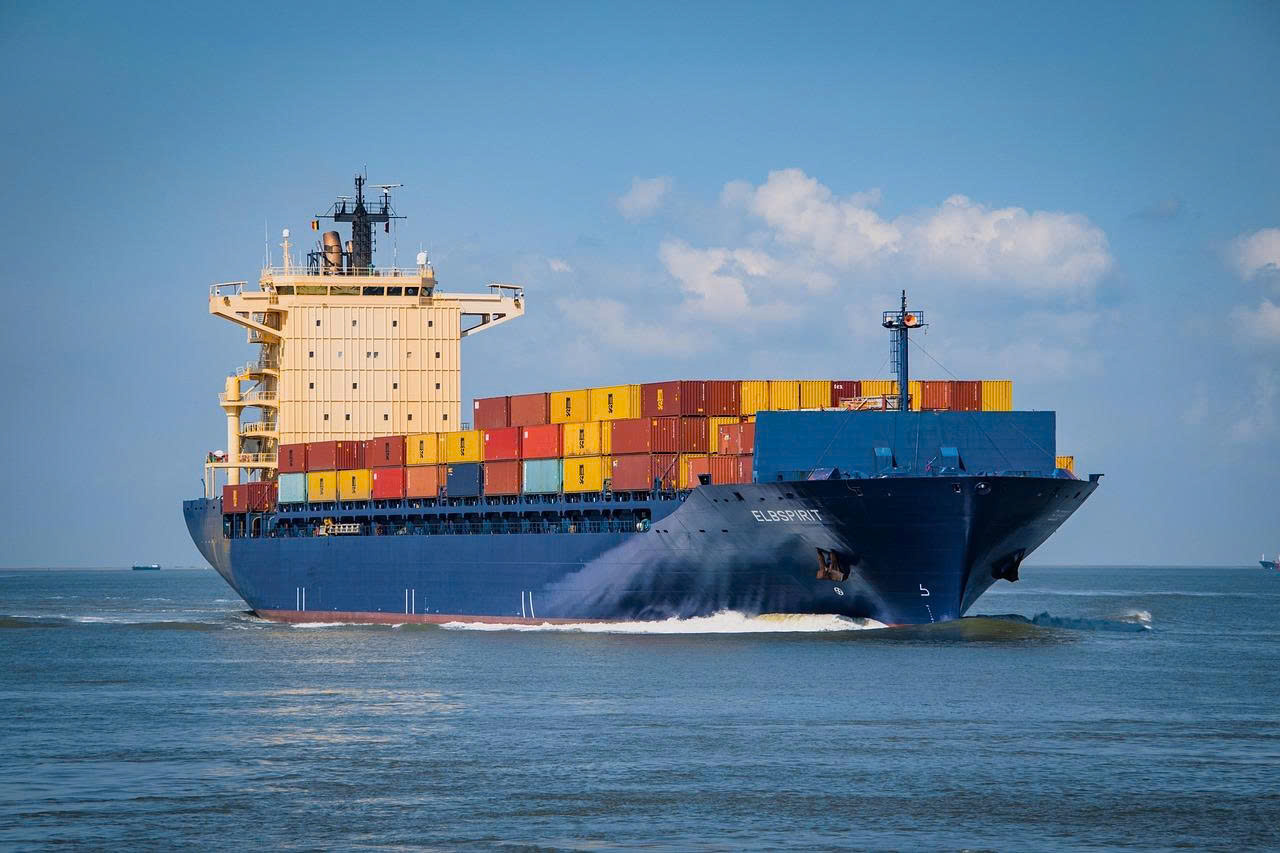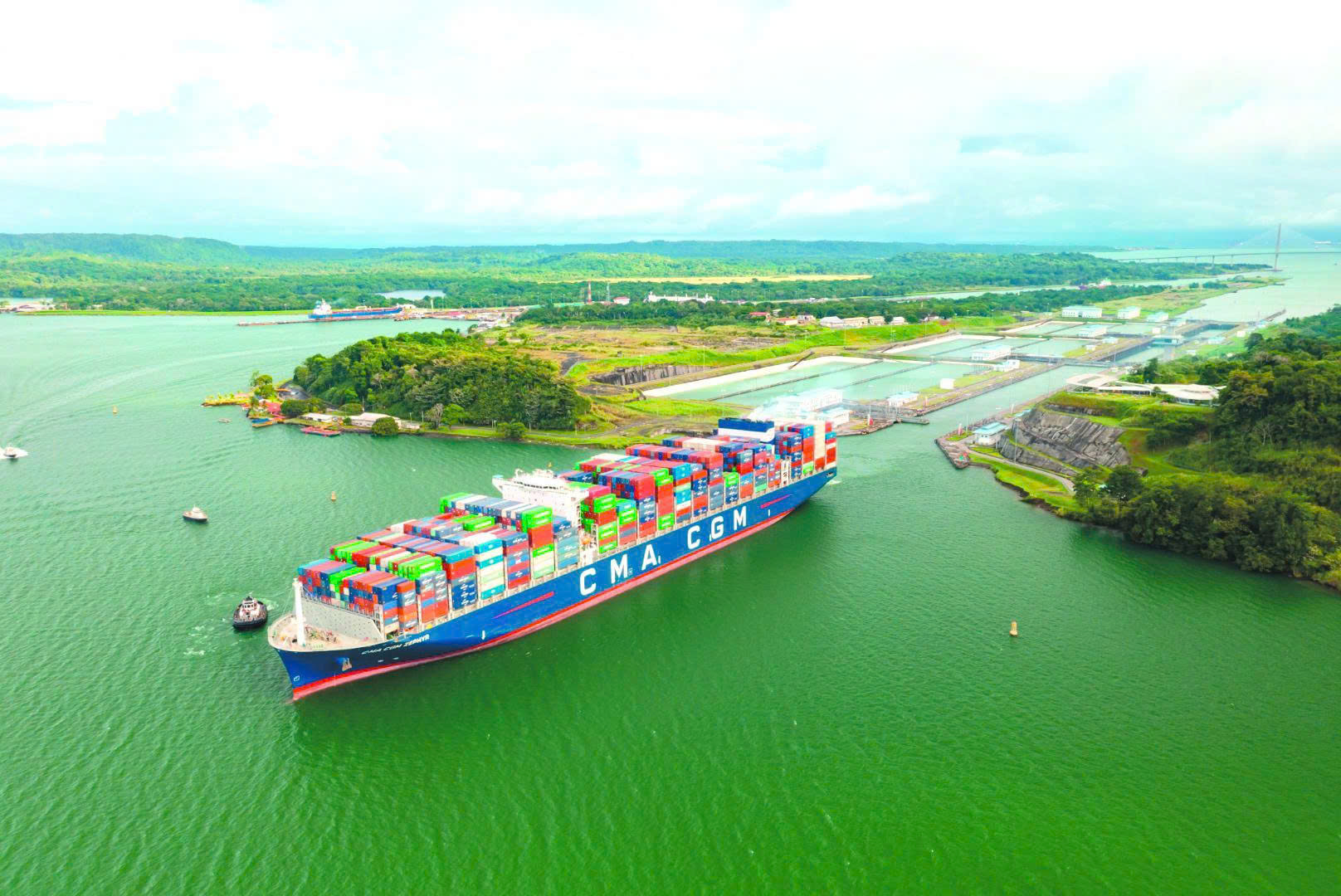
PANAMA CANAL TO FURTHER REDUCE DRAFT LIMIT FOR NEOPANAMAX VESSELS
The Panama Canal will further reduce the maximum allowable draft for Neopanamax vessels from late August 2026 as water levels in Gatun Lake continue to decline.
As global supply chains continue to shift and the air cargo industry enters a new phase of post-pandemic restructuring, Southeast Asia is increasingly positioned as a strategic air logistics hub on the global map. Benefiting from its geographic location between Asia, Europe, and the Americas, the region is also riding strong tailwinds from manufacturing relocation, cross-border e-commerce growth, and rising demand for high-value cargo transportation. At the center of this competition are five key airports: Singapore Changi (SIN), Bangkok Suvarnabhumi (BKK), Kuala Lumpur (KUL), Jakarta Soekarno–Hatta (CGK), and Tan Son Nhat (SGN).
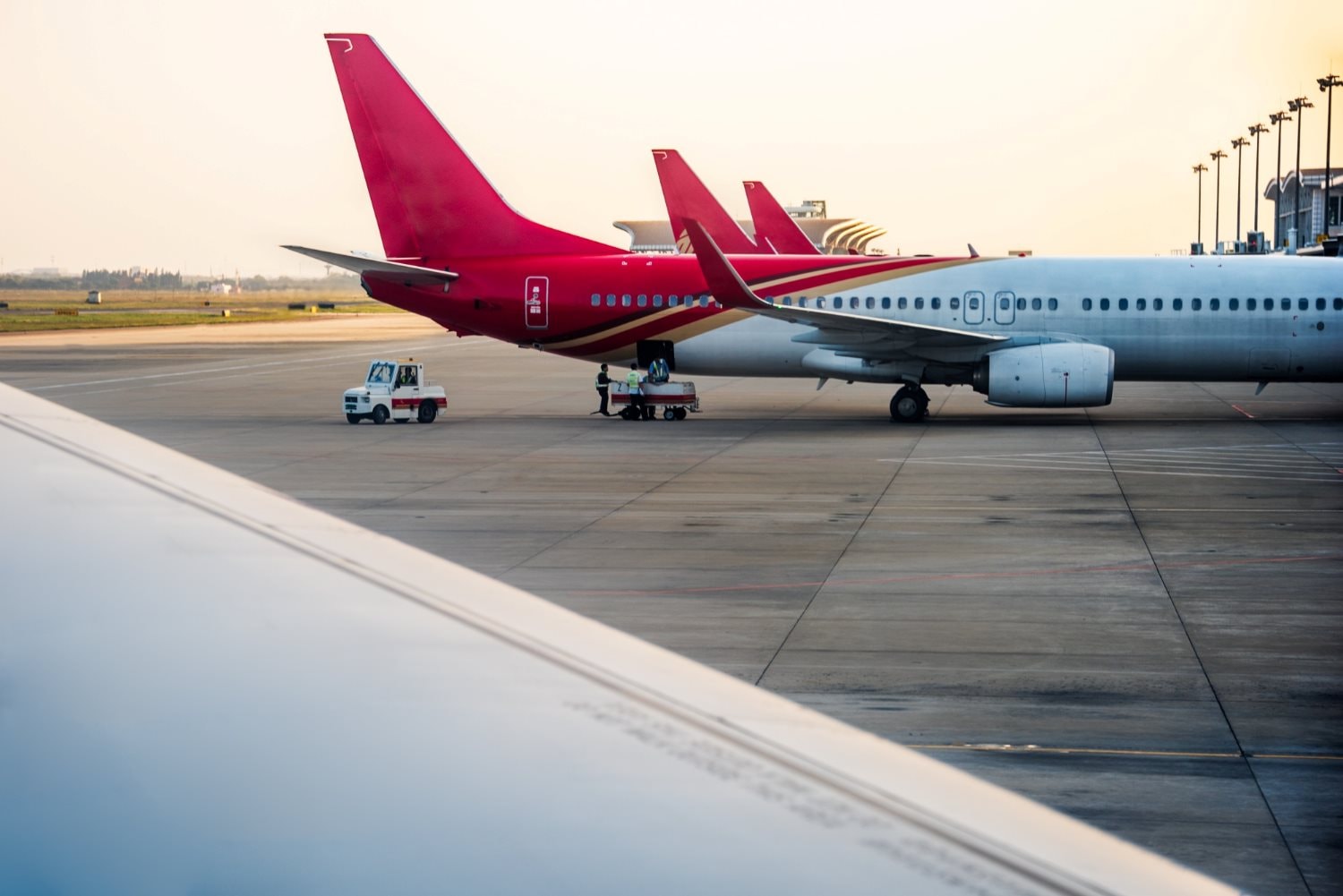
Among them, Singapore Changi remains the undisputed regional leader. Handling close to 2 million tonnes of air cargo annually, supported by a highly integrated logistics ecosystem and extensive global connectivity, Changi serves not only as Singapore’s primary cargo gateway but also as a major international transshipment hub for Southeast Asia. Large-scale expansion projects such as Changi East and Terminal 5 are expected to significantly enhance long-term cargo handling capacity, further strengthening Singapore’s competitive advantage against emerging regional hubs.
Meanwhile, Bangkok and Kuala Lumpur are positioning themselves as strong regional challengers. Suvarnabhumi Airport (BKK) leverages Thailand’s large domestic market, competitive operating costs, and its role as a regional manufacturing base to attract international cargo carriers and logistics providers. Similarly, Kuala Lumpur International Airport (KUL) continues to invest in cargo facilities, bonded warehouses, and value-added logistics services, aiming to become a key distribution hub for ASEAN and South Asia.
Jakarta Soekarno–Hatta (CGK), supported by the largest domestic market in Southeast Asia, plays a crucial role as Indonesia’s primary air cargo gateway. While it has yet to match Singapore’s transshipment capabilities, CGK holds significant growth potential driven by rising import-export volumes, expanding manufacturing activities, and the rapid growth of e-commerce and consumer markets.
In Vietnam, Tan Son Nhat Airport (SGN) remains the country’s largest air cargo hub and a critical gateway for the southern economic region. Despite constraints related to land availability, infrastructure, and capacity, SGN still handles over half a million tonnes of cargo annually, serving key export sectors such as electronics, textiles, footwear, and seafood. Increasing foreign direct investment inflows, particularly under “China +1” supply chain strategies, are placing additional pressure on Vietnam’s air logistics infrastructure while simultaneously creating opportunities to enhance air cargo capabilities and integrate more deeply into the regional hub network.
Ultimately, the competition among Southeast Asia’s air cargo hubs goes beyond cargo volumes and rankings. It reflects broader national strategies within the global supply chain landscape. In the coming years, investments in infrastructure, digitalization, multimodal connectivity, and integrated logistics ecosystems will be decisive factors in determining each hub’s position in the regional and global air cargo arena.
Source: collect
The Panama Canal will further reduce the maximum allowable draft for Neopanamax vessels from late August 2026 as water levels in Gatun Lake continue to decline.
In modern logistics, delays are no longer viewed as mere inconveniences. They can result in significant financial losses, including reduced revenue, dissatisfied customers, increased warehousing costs, disrupted production schedules, and damaged business reputation
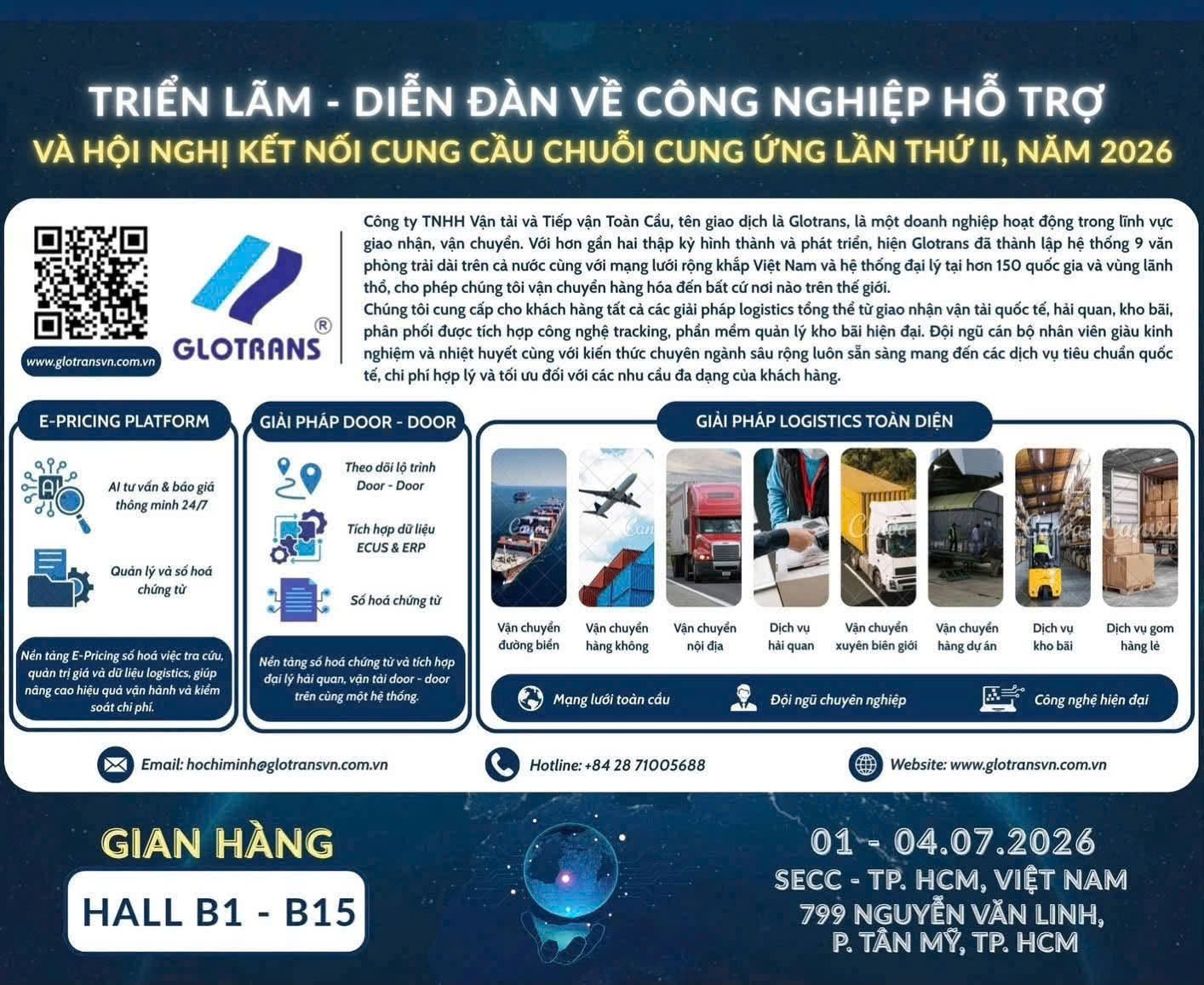
From July 1–4, 2026, Glotrans is participating in MTA Vietnam 2026, one of Vietnam's leading international exhibitions for precision engineering, manufacturing, and supporting industries, held at the Saigon Exhibition and Convention Center (SECC), Ho Chi Minh City.
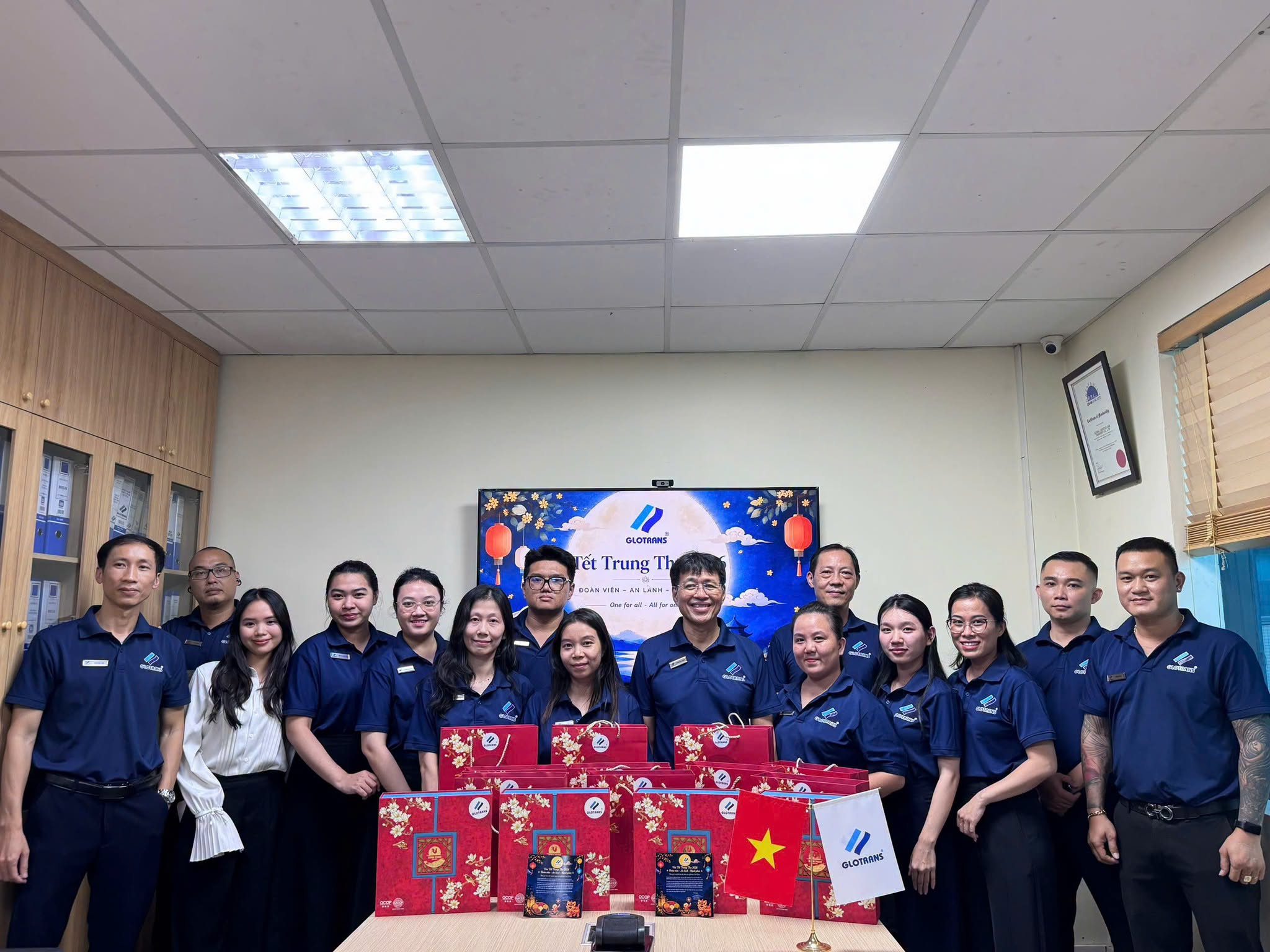
The Mid-Autumn Festival is not only a time for family reunions, but also a special occasion to share love, send warm wishes, and enjoy meaningful moments with our beloved colleagues.
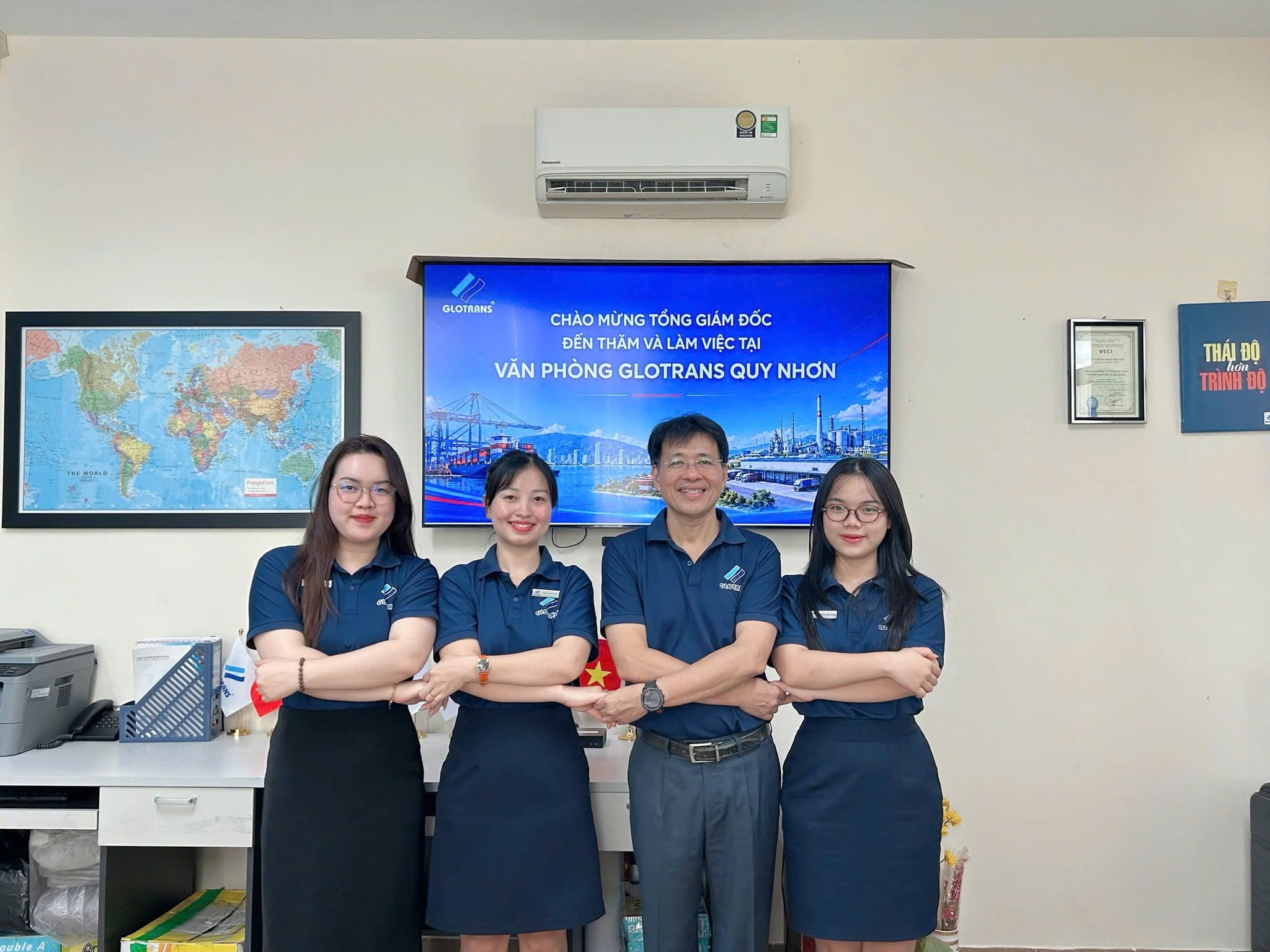
Over the past few days, GLOTRANS’s General Director has been traveling between offices, from Da Nang to Quy Nhon, to personally attend meetings reviewing the business performance of the first six months of the year, assess each office’s operations, and work with the teams to set goals for the next stage.
GLOTRANS would like to inform our Valued Customers and Partners of our holiday schedule for Vietnam’s National Day (2 September 2026) as follows:
The shipment of food additives was transported in container No. FCIU3301688 (20’), under B/L MPRSMUM1806, on the voyage from Nhavasheva Port (India) to Dinh Vu Port (Hai Phong, Vietnam) on 29/04/2017.
Company T (Plaintiff – the Insured) entered into an insurance contract with Company B (Defendant – the Insurer). After the insured event occurred, the Insurer alleged that the Insured had violated its obligation to prevent and mitigate losses. The Arbitral Tribunal acknowledged that such an obligation exists but concluded that the Insured did not breach it.
Under the insurance contract, the premium was to be paid in three installments, and in all three, the insured party was late in payment. When a dispute arose, the insurer (Defendant) argued that the insurance contract had terminated before the insured event occurred due to the late premium payment and therefore refused to make an insurance payout. However, the Arbitral Tribunal held a contrary view.