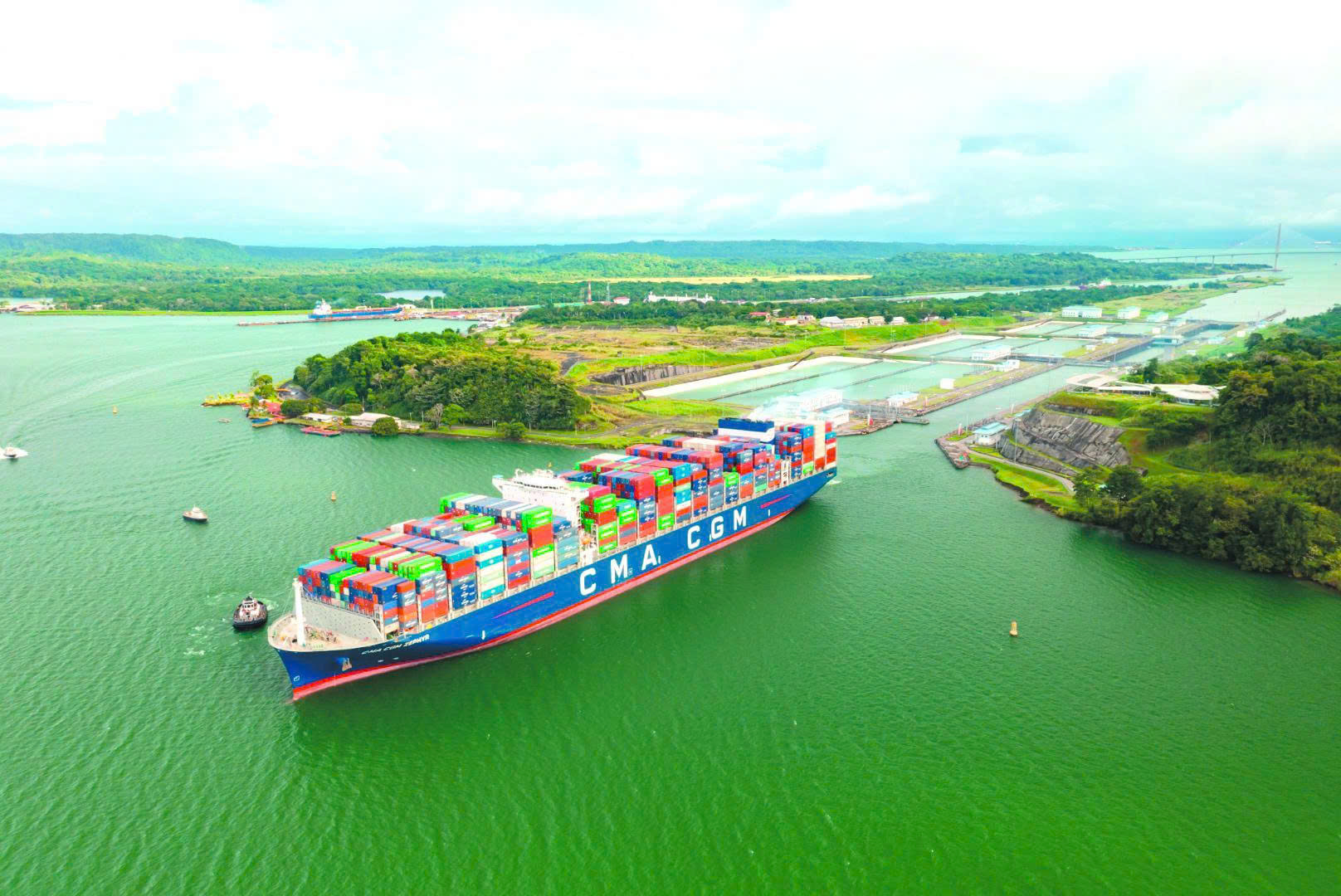
PANAMA CANAL TO FURTHER REDUCE DRAFT LIMIT FOR NEOPANAMAX VESSELS
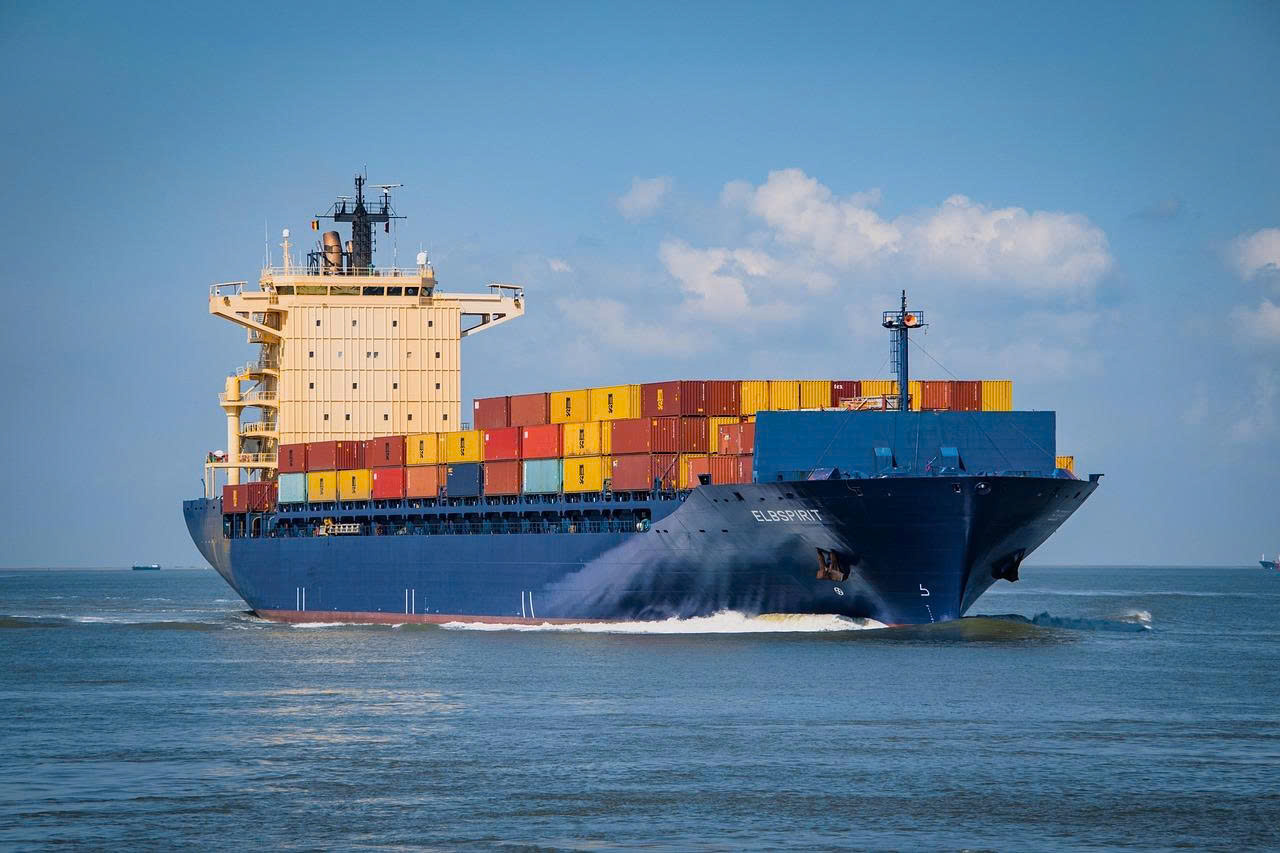
The Panama Canal will further reduce the maximum allowable draft for Neopanamax vessels from late August 2026 as water levels in Gatun Lake continue to decline.
Vietnamese food and spice producers are making steady progress in international markets by focusing on “real quality.” By combining authentic local flavors with strict international certifications, they are strengthening their competitiveness and building trust among global buyers.
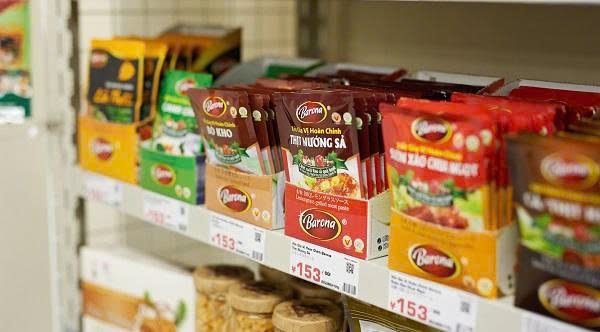
At the Vietnam International Sourcing Expo (VIS 2025), international partners noted that Vietnamese products are no longer competing solely on price but on quality and compliance. Fish sauce, coffee, and spices are emerging as the key drivers of export growth.
In Southeast Asia, distributors see strong potential for traditional Vietnamese fish sauce, which they described as offering superior taste compared with other regional varieties. Coffee also remains a major attraction thanks to its diversity and ability to meet different consumer needs.
In South Asia, importers confirmed that Vietnam is the leading source of black pepper for their markets, supplying a large share of national demand. Encouraged by strong sales, they are now looking to expand into cashews and coffee, highlighting a rising confidence in Vietnamese agriculture.
Beyond Asia, international retailers have also shown increasing interest. Following recent tariff changes, many Vietnamese exporters are shifting more focus to Southeast Asia — a market with growing purchasing power. Meanwhile, in the U.S., importers reported that Vietnamese products “exceeded expectations” in both quality and packaging, signaling greater potential for penetration into one of the world’s toughest markets.
Industry experts point to two key pillars behind this progress: authentic flavor and global standards. Vietnamese companies are preserving traditional taste while aligning with certifications such as ISO, HACCP, FDA, and GACC. This dual focus ensures that products not only stand out but also meet the compliance standards required for repeat orders and wider distribution.
The bigger picture shows that quality is becoming Vietnam’s “new passport” to global trade in food and spices. Products are gaining recognition, importers are actively seeking to expand portfolios with Vietnamese goods, and retailers are adding new distribution channels.
The challenge ahead is for Vietnamese businesses to maintain consistency and reputation — standardizing production, responding quickly to market demands, and positioning products strategically in each channel. If these pieces come together, “the flavor of Vietnam” will not only be recognized but firmly trusted on the world’s most competitive shelves.
Source: collect
The Panama Canal will further reduce the maximum allowable draft for Neopanamax vessels from late August 2026 as water levels in Gatun Lake continue to decline.
In modern logistics, delays are no longer viewed as mere inconveniences. They can result in significant financial losses, including reduced revenue, dissatisfied customers, increased warehousing costs, disrupted production schedules, and damaged business reputation
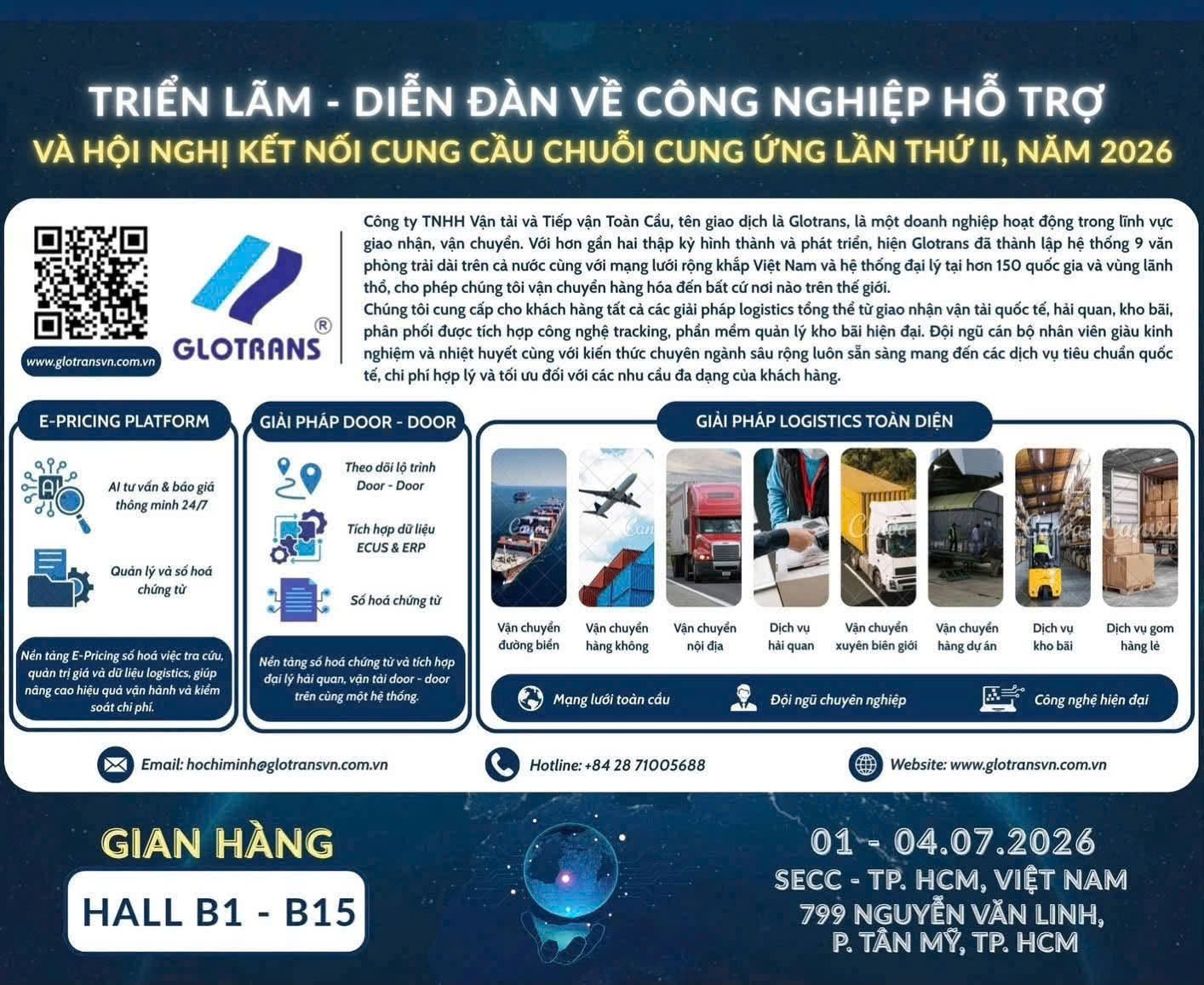
From July 1–4, 2026, Glotrans is participating in MTA Vietnam 2026, one of Vietnam's leading international exhibitions for precision engineering, manufacturing, and supporting industries, held at the Saigon Exhibition and Convention Center (SECC), Ho Chi Minh City.
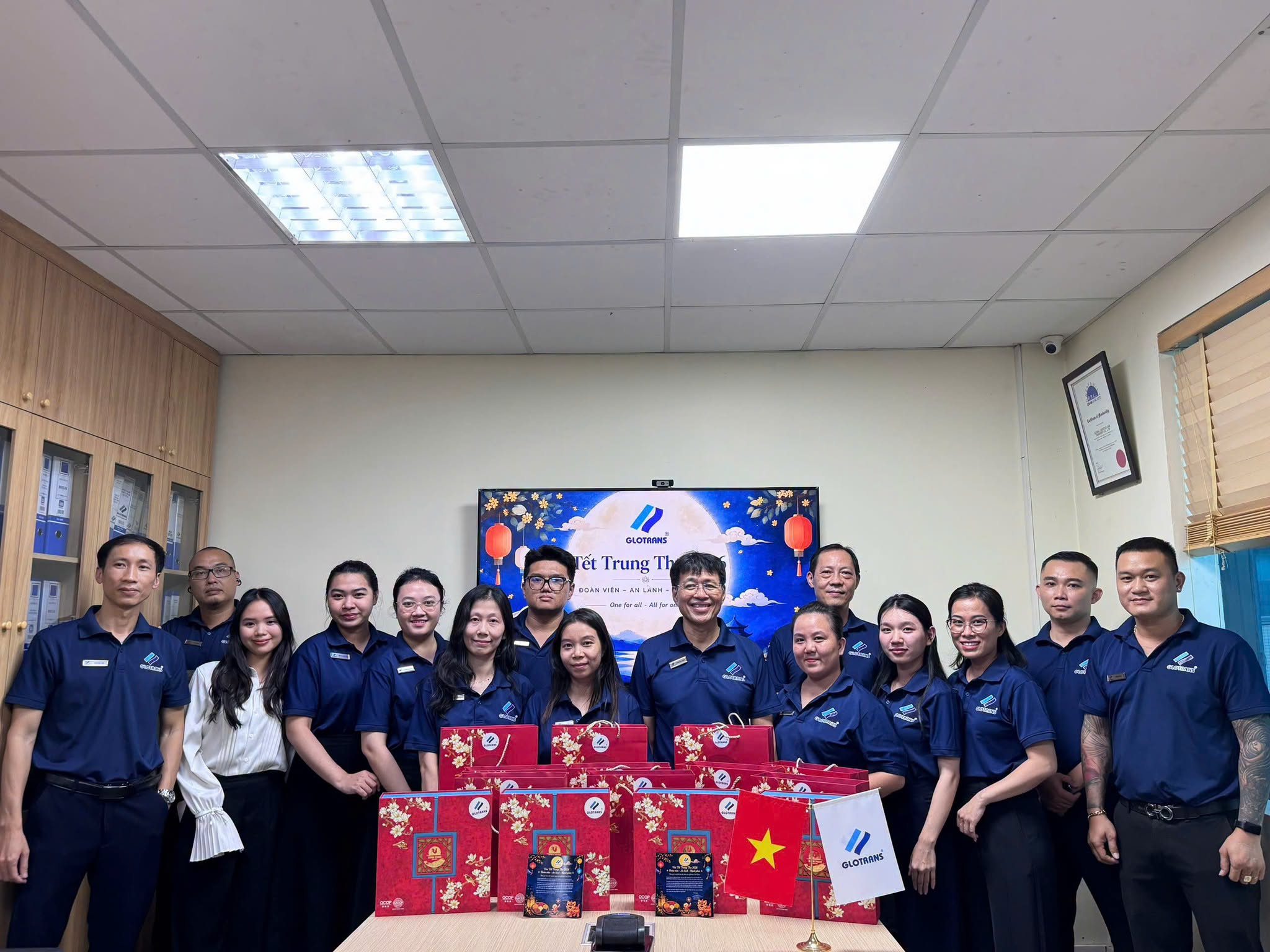
The Mid-Autumn Festival is not only a time for family reunions, but also a special occasion to share love, send warm wishes, and enjoy meaningful moments with our beloved colleagues.
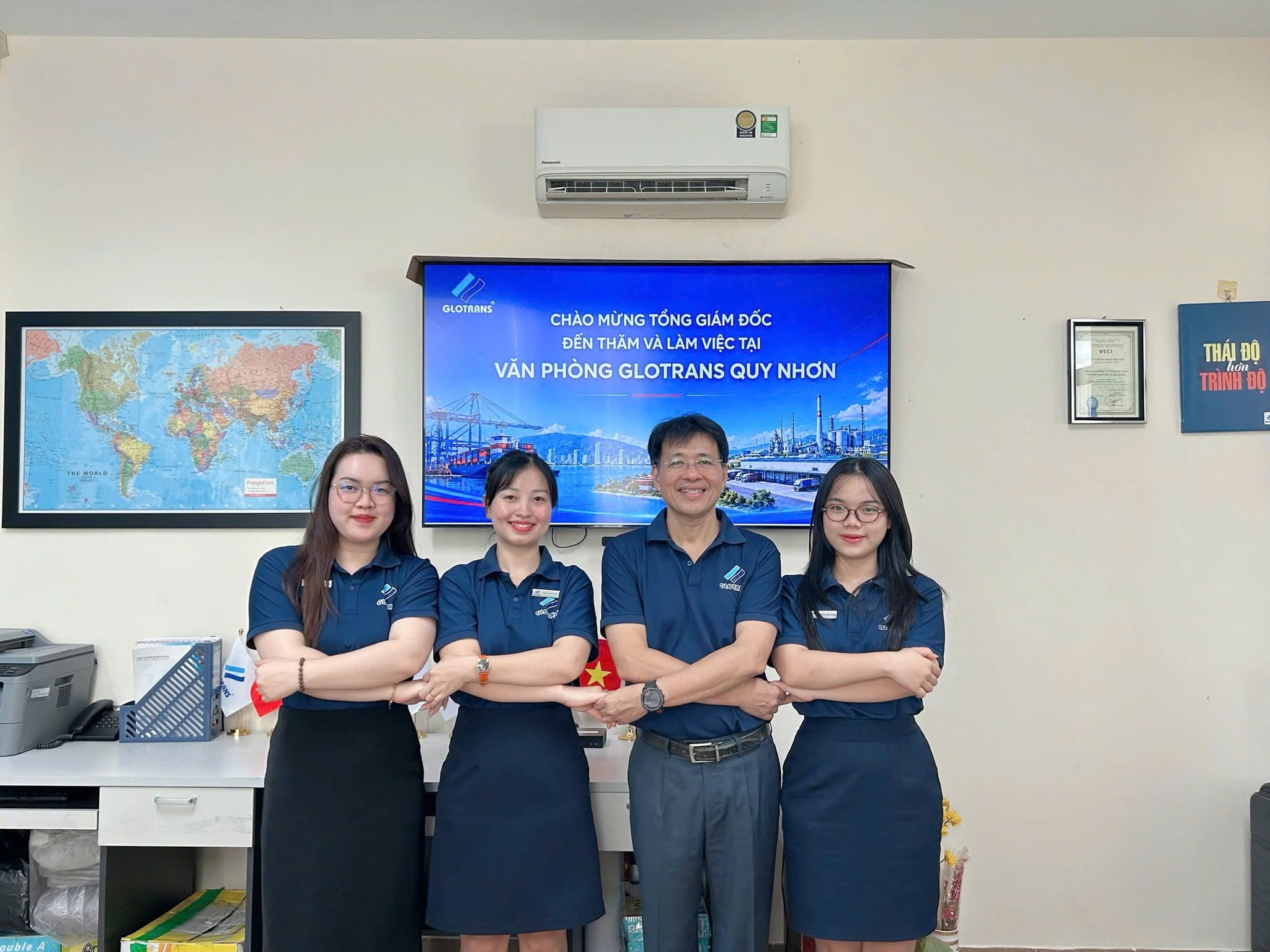
Over the past few days, GLOTRANS’s General Director has been traveling between offices, from Da Nang to Quy Nhon, to personally attend meetings reviewing the business performance of the first six months of the year, assess each office’s operations, and work with the teams to set goals for the next stage.
GLOTRANS would like to inform our Valued Customers and Partners of our holiday schedule for Vietnam’s National Day (2 September 2026) as follows:
The shipment of food additives was transported in container No. FCIU3301688 (20’), under B/L MPRSMUM1806, on the voyage from Nhavasheva Port (India) to Dinh Vu Port (Hai Phong, Vietnam) on 29/04/2017.
Company T (Plaintiff – the Insured) entered into an insurance contract with Company B (Defendant – the Insurer). After the insured event occurred, the Insurer alleged that the Insured had violated its obligation to prevent and mitigate losses. The Arbitral Tribunal acknowledged that such an obligation exists but concluded that the Insured did not breach it.
Under the insurance contract, the premium was to be paid in three installments, and in all three, the insured party was late in payment. When a dispute arose, the insurer (Defendant) argued that the insurance contract had terminated before the insured event occurred due to the late premium payment and therefore refused to make an insurance payout. However, the Arbitral Tribunal held a contrary view.