PANAMA CANAL TO FURTHER REDUCE DRAFT LIMIT FOR NEOPANAMAX VESSELS
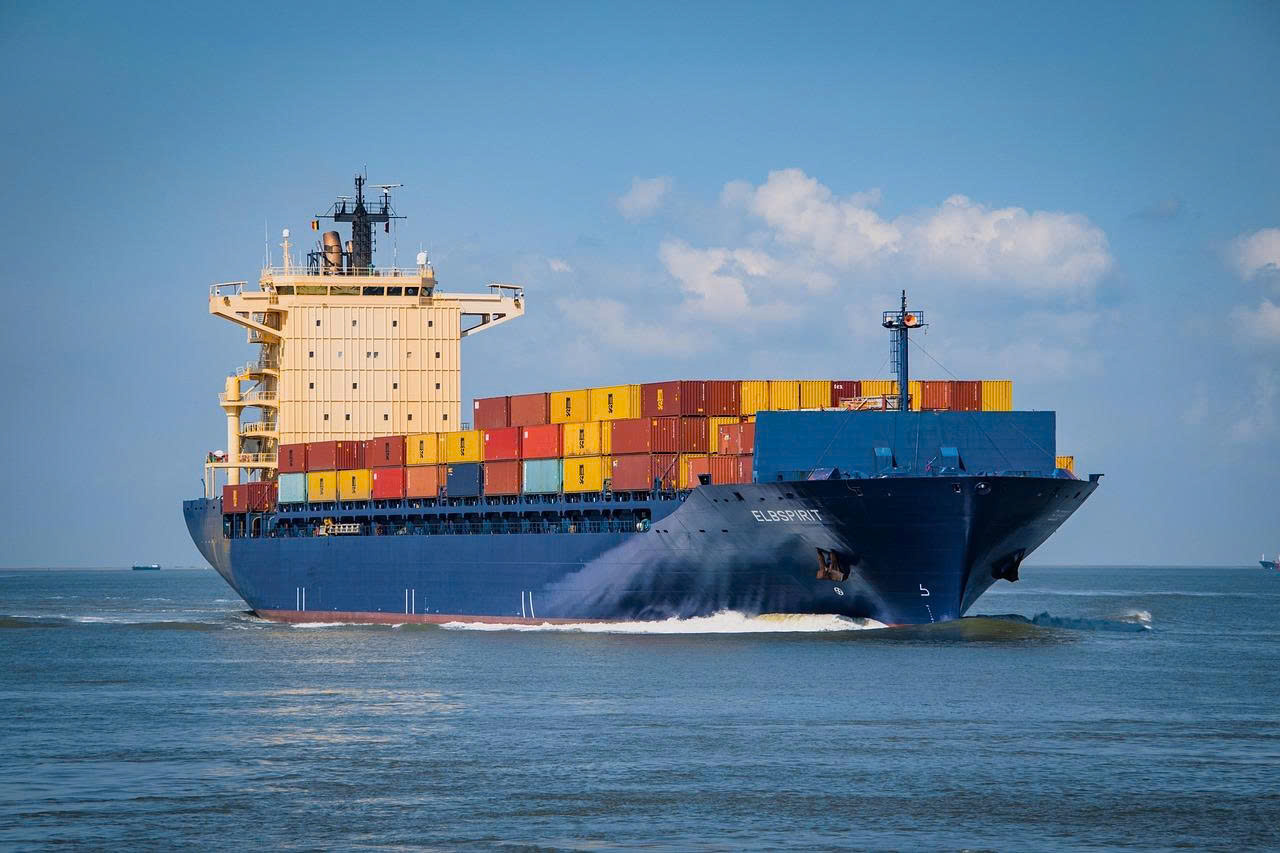
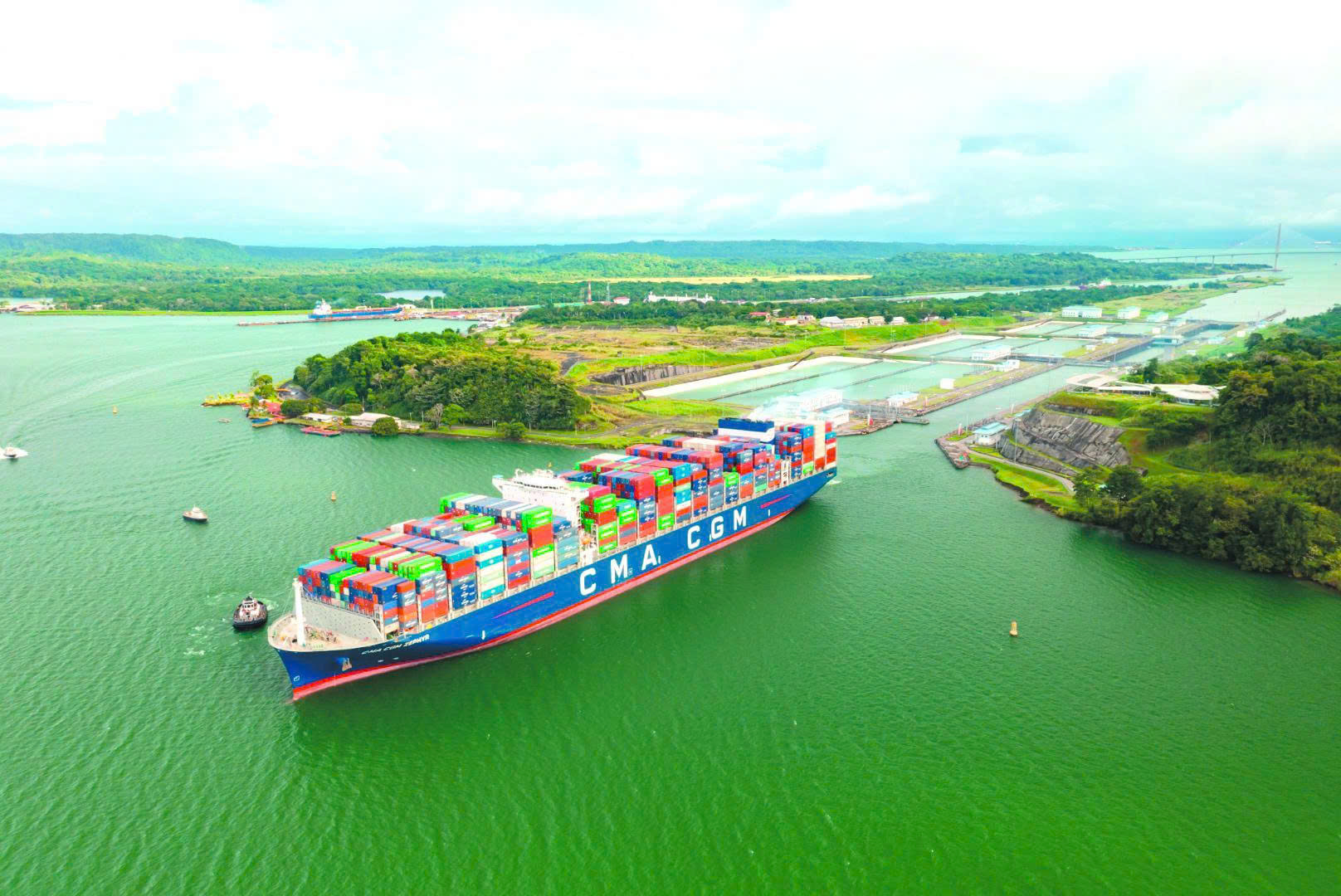
The Panama Canal will further reduce the maximum allowable draft for Neopanamax vessels from late August 2026 as water levels in Gatun Lake continue to decline.
The world's largest container shipping company, MSC Mediterranean Shipping Company SA aims to enter the air freight market, starting the development of a new MSC Air Cargo solution.

According to a recent announcement, MSC Air Cargo has been under development for several months and the new solution will be available from early 2023, following the delivery of the first of four MSC-branded Boeing 777-200F aircraft that will be operated by Atlas Air, a subsidiary of Atlas Air Worldwide Holdings, Inc.
"This is our first step into this market and we plan to continue exploring various avenues to develop air cargo in a way that complements our core business of container shipping," stated MSC chief executive officer, Soren Toft.
MSC has appointed Jannie Davel, formerly of Delta Cargo, Emirates SkyCargo and DHL, to develop its air cargo business and to build the team that will run the new sector of MSC.
Commenting on the new initiative, Toft said, "We are delighted to announce the development of MSC Air Cargo and to welcome Jannie Davel to spearhead this exciting new offering for MSC clients."
The Panama Canal will further reduce the maximum allowable draft for Neopanamax vessels from late August 2026 as water levels in Gatun Lake continue to decline.
In modern logistics, delays are no longer viewed as mere inconveniences. They can result in significant financial losses, including reduced revenue, dissatisfied customers, increased warehousing costs, disrupted production schedules, and damaged business reputation
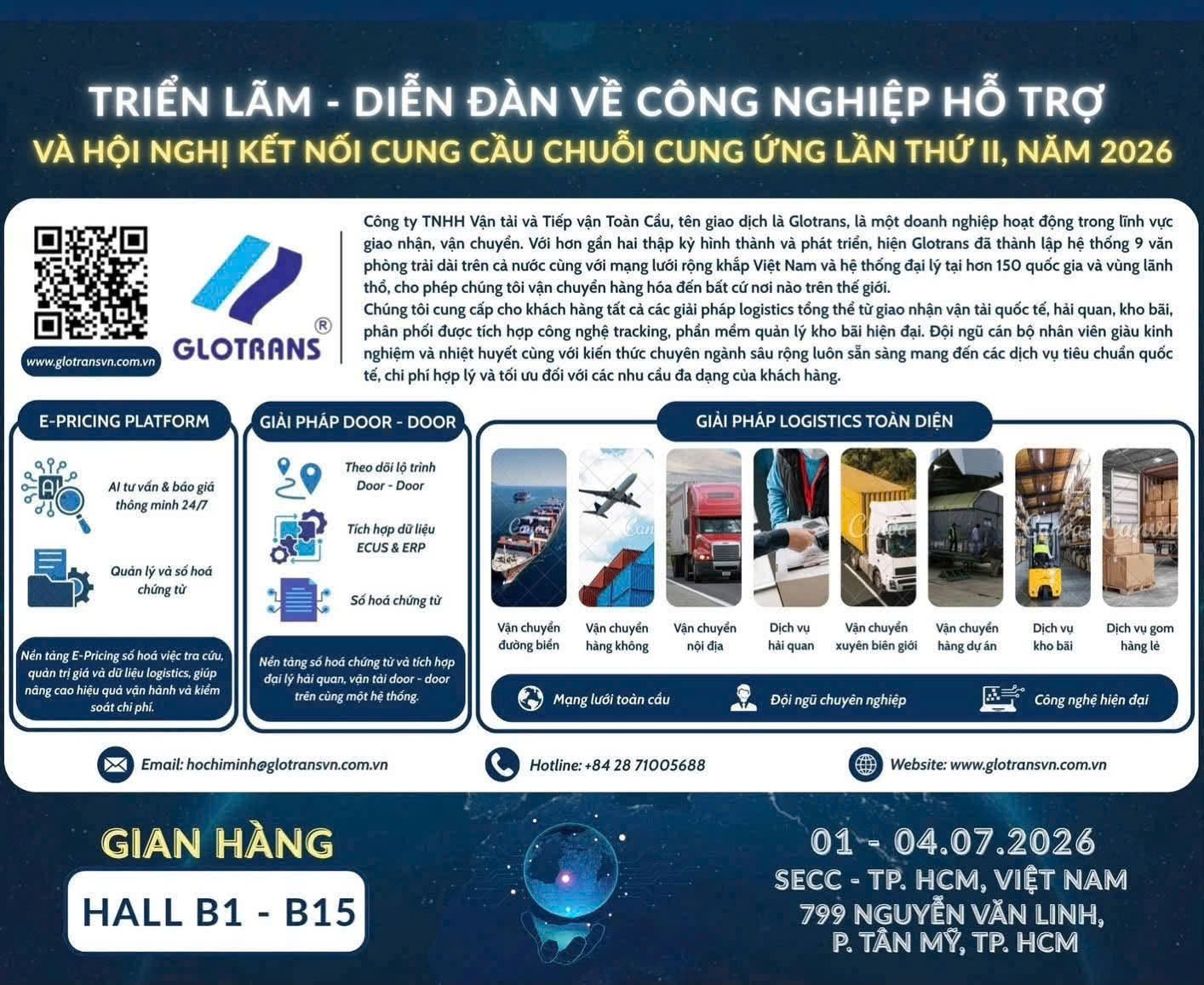
From July 1–4, 2026, Glotrans is participating in MTA Vietnam 2026, one of Vietnam's leading international exhibitions for precision engineering, manufacturing, and supporting industries, held at the Saigon Exhibition and Convention Center (SECC), Ho Chi Minh City.
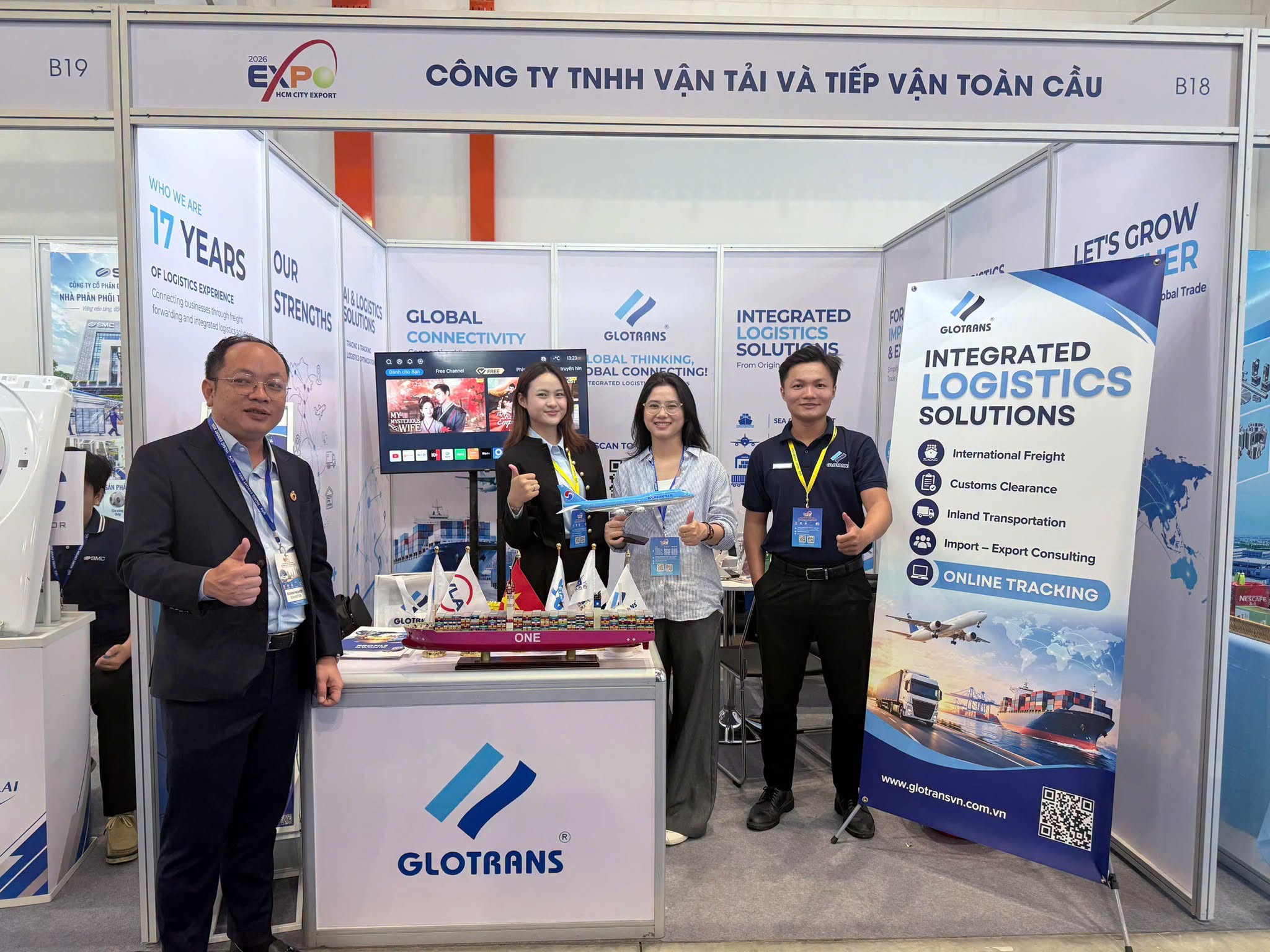
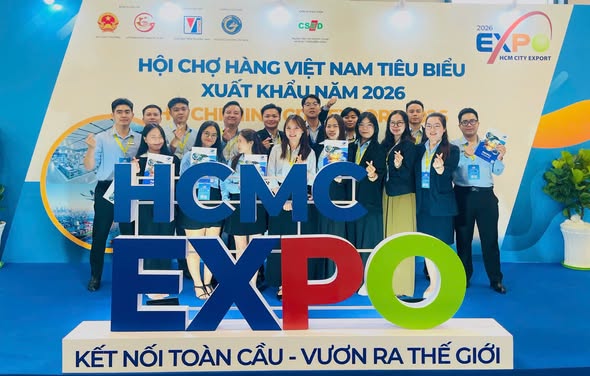
Building on the positive momentum of the opening day, on October 23, 2026, Glotrans’ Booth B18 at HCMC Export 2026 continued to welcome a large number of visitors, businesses, and domestic and international partners for networking, service exploration, and discussions on potential collaboration opportunities.
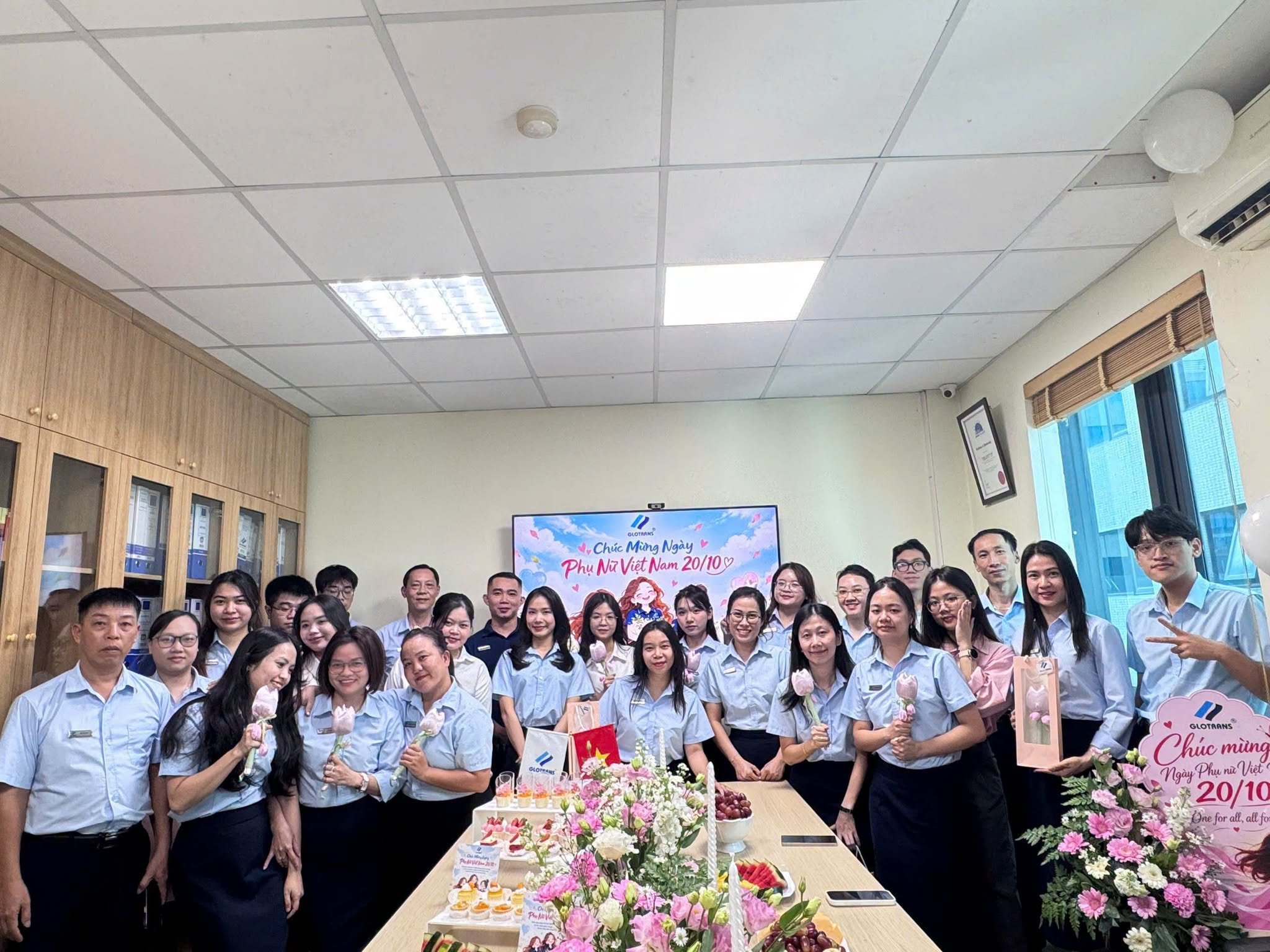
In celebration of Vietnamese Women’s Day on October 20, Glotrans branches across the entire system have organized meaningful activities, creating a warm, joyful atmosphere and many memorable moments for female employees.
The shipment of food additives was transported in container No. FCIU3301688 (20’), under B/L MPRSMUM1806, on the voyage from Nhavasheva Port (India) to Dinh Vu Port (Hai Phong, Vietnam) on 29/04/2017.
Company T (Plaintiff – the Insured) entered into an insurance contract with Company B (Defendant – the Insurer). After the insured event occurred, the Insurer alleged that the Insured had violated its obligation to prevent and mitigate losses. The Arbitral Tribunal acknowledged that such an obligation exists but concluded that the Insured did not breach it.
Under the insurance contract, the premium was to be paid in three installments, and in all three, the insured party was late in payment. When a dispute arose, the insurer (Defendant) argued that the insurance contract had terminated before the insured event occurred due to the late premium payment and therefore refused to make an insurance payout. However, the Arbitral Tribunal held a contrary view.